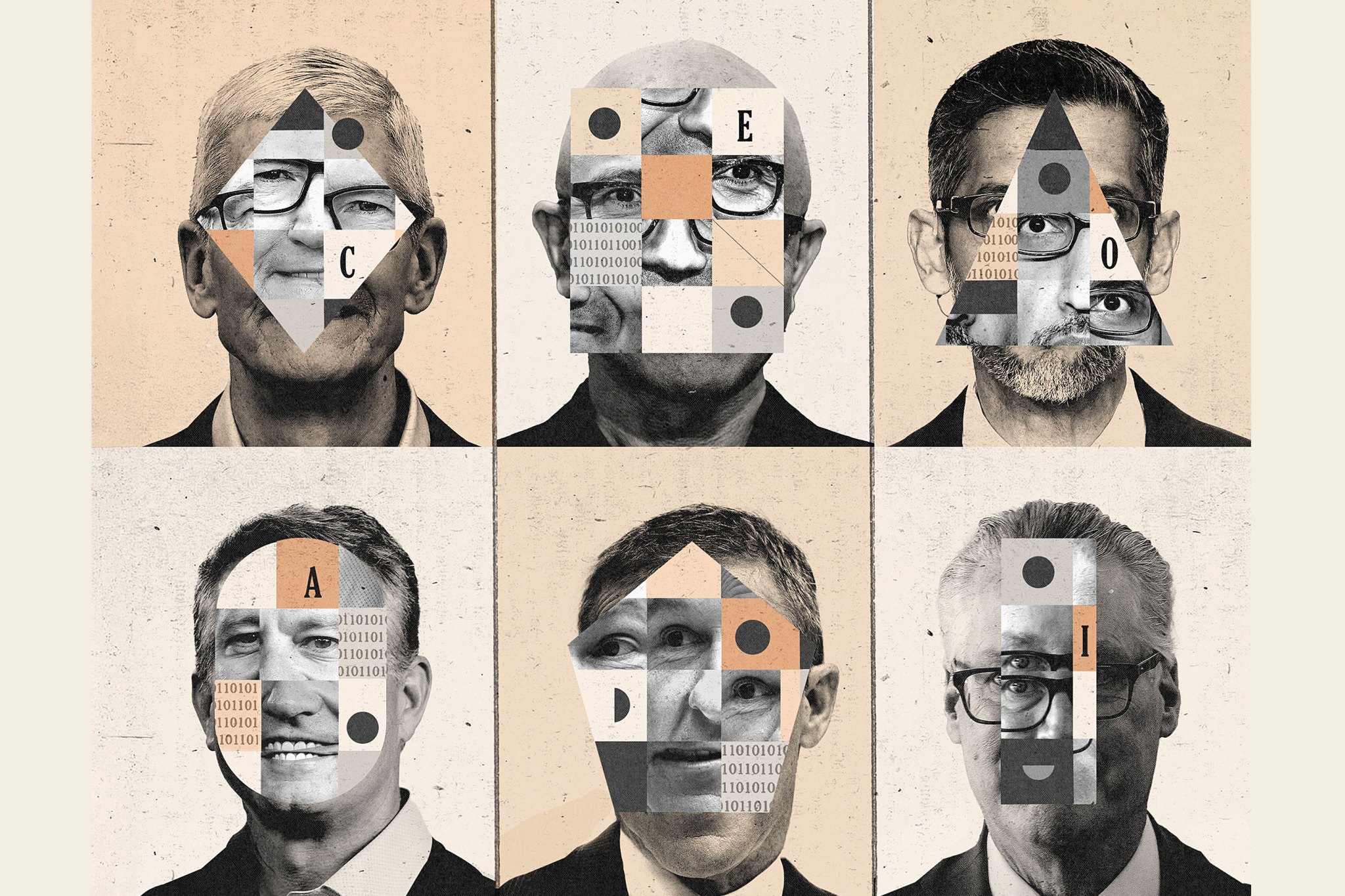
When Microsoft CEO Satya Nadella told employees in October that he was giving up running the tech company’s commercial businesses, he said that he was doing so to increase his focus on Microsoft’s technology work—and very specifically on AI. Nadella explained that Microsoft’s continued success would depend on equipping customers with new artificial intelligence capabilities to make it “the partner of choice for AI transformation.”
With that act, the 58-year-old Microsoft chief, whose 12 years in the corner office are an eternity by Fortune 500 standards, was telegraphing that mastery of AI was nonnegotiable. During Nadella’s extremely successful run, shares have risen 11-fold and Microsoft has joined the very tiny club of companies with valuations above $3 trillion. But he won’t remain relevant or effective if he doesn’t stay on top of AI and how it’s changing his industry—and neither, for that matter, will his peers in any industry.