Get all your news in one place.
100’s of premium titles.
One app.
Start reading
GOBankingRates
GOBankingRates
Kerra Bolton

A New Change Could Impact Your Stimulus Payments — 5 Things You Should Know

JJ Gouin / Getty Images/iStockphoto

Americans who receive money from the federal government may soon notice a shift in how those payments are delivered.

The IRS is moving many federal disbursements away from paper checks and toward electronic options. That includes tax refunds and other government payments, meaning any future stimulus payments would likely follow the same process.

The new change could impact your stimulus payments. Here are five things you should know.

Paper Checks Are Being Phased Out

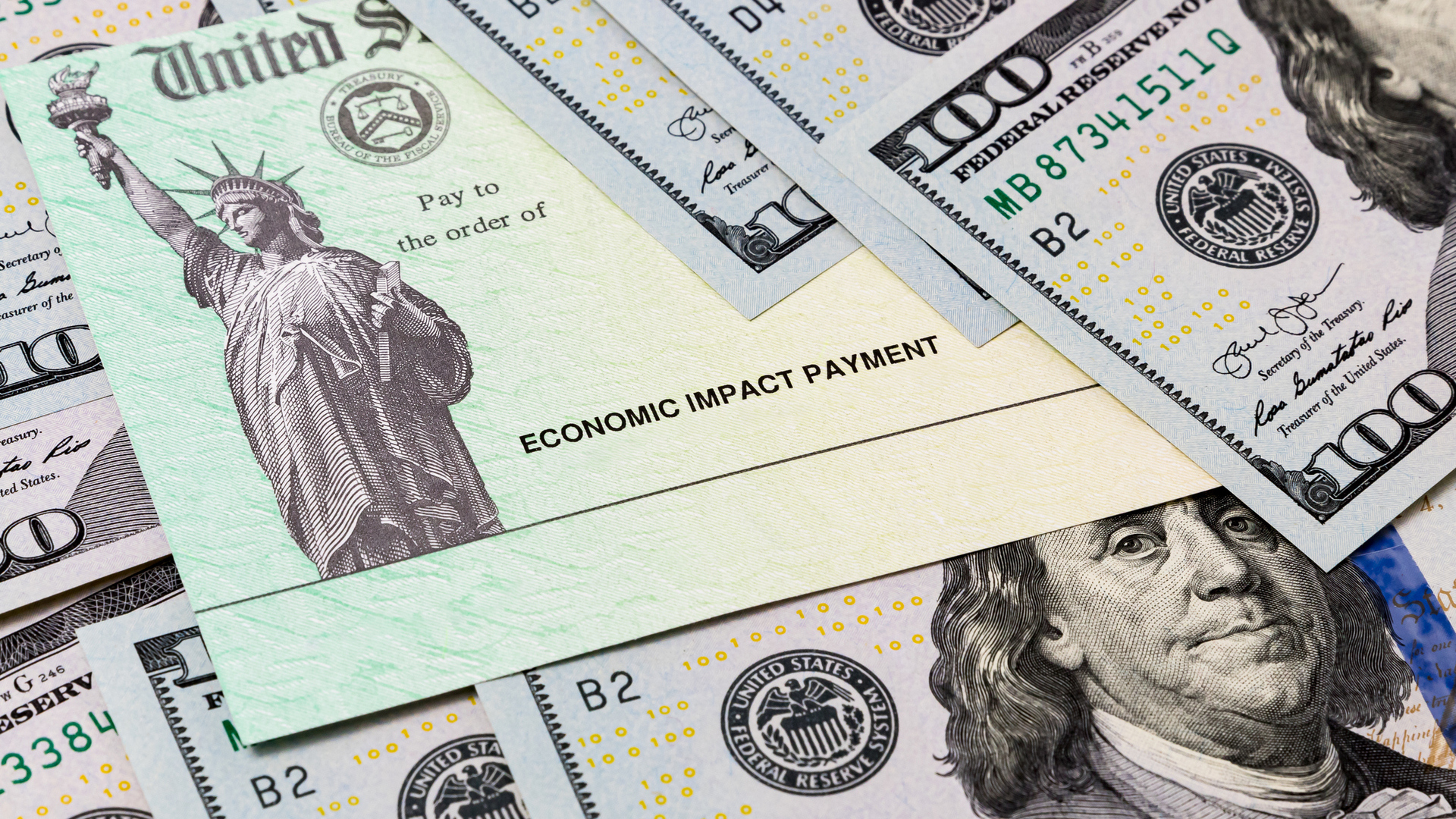
Under a recent IRS policy update, the federal government is moving away from paper checks for many payments it sends out.

Instead, agencies are shifting toward electronic options such as direct deposit and other digital methods. The goal is to make payments faster and more secure.

For people who usually receive government money by mail, that could mean setting up direct deposit or another electronic option instead.

Check Out: Fidelity Says This Is a Surprising Risk of Holding Too Much Cash — Do You Have Too Much?

Trending Now: 6 Safe Accounts Proven To Grow Your Money Up To 13x Faster

It’s Not Just About Refunds

Most people think about tax refunds when they hear IRS, but this change goes beyond that. It applies to a wide range of federal payments, from certain benefits to grants and contractor pay.

It also affects money people send in, including tax balances and fees. The shift touches more than one type of payment, which is why it could matter if stimulus checks are issued in the future.

You Don’t Need a Traditional Bank Account

Direct deposit will remain the main way the IRS sends refunds. However, the agency recognizes that not everyone uses a traditional bank.

For those individuals, other electronic options will be available, including certain mobile apps and prepaid debit cards.

Electronic Payments Are Meant To Be Faster

According to the IRS, the shift toward electronic delivery is not expected to delay refunds in most cases. In fact, electronic payments are generally processed more quickly than paper checks.

They also reduce the risk of a check being lost or stolen in the mail. If stimulus payments are issued in the future, they would likely follow the same electronic process, which is designed to move money more efficiently.

What To Do Now

Anyone who gets government checks by mail can consider setting up direct deposit. Including banking information when filing a tax return can help refunds and any future stimulus payments move more quickly. The IRS also allows taxpayers to review payment details through their IRS Online Account.

If no banking information is provided, the IRS said it will reach out by letter through the U.S. mail. The agency will not call or text to ask for direct deposit details. Ignoring unexpected messages and watching for official mail can help reduce the risk of fraud.

More From GOBankingRates

This article originally appeared on GOBankingRates.com: A New Change Could Impact Your Stimulus Payments — 5 Things You Should Know

Sign up to read this article
Read news from 100’s of titles, curated specifically for you.
Already a member? Sign in here
Related Stories
Top stories on inkl right now
One subscription that gives you access to news from hundreds of sites
Already a member? Sign in here
Our Picks
Fourteen days free
Download the app
One app. One membership.
100+ trusted global sources.