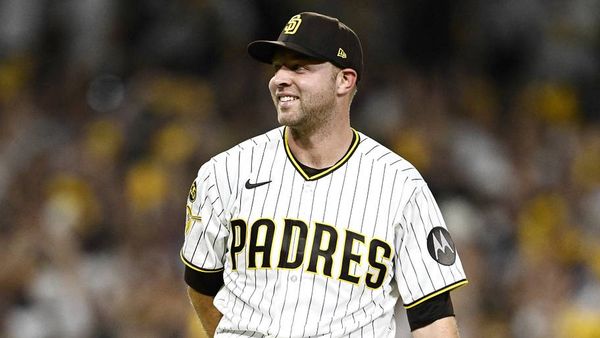
In 2009, when college football star Manti Te’o accepted a Facebook friend request from an attractive young woman apparently named Lennay Kekua, the term “catfishing” had not yet been coined. It wasn’t until 2010, after the release of indie documentary Catfish, that the practice of using a fake social media profile to lure an unsuspecting subject into an online relationship was given a name. By the time Te’o first heard the phrase, in January 2013, it was too late. He was already the most infamous catfishing victim in America.
Te’o’s tumultuous, heart-wrenching tale is the subject of The Girlfriend Who Didn’t Exist, the first instalment of the second season of the Netflix documentary series Untold. The athlete originally shot to nationwide fame in America as a superstar linebacker for college team Notre Dame, in part thanks to his emotive backstory: on 11 September 2012, in the run-up to some of his team’s most crucial fixtures, both his grandmother and girlfriend died on the same day. The following January, sports website Deadspin reported that in fact the girlfriend had never existed. In an instant, Te’o was transformed from a sporting hero to a figure of widespread ridicule. In truth, as The Girlfriend Who Didn’t Exist makes plain, the young athlete had only ever acted compassionately, if naively, and had done nothing to deserve such mockery.