
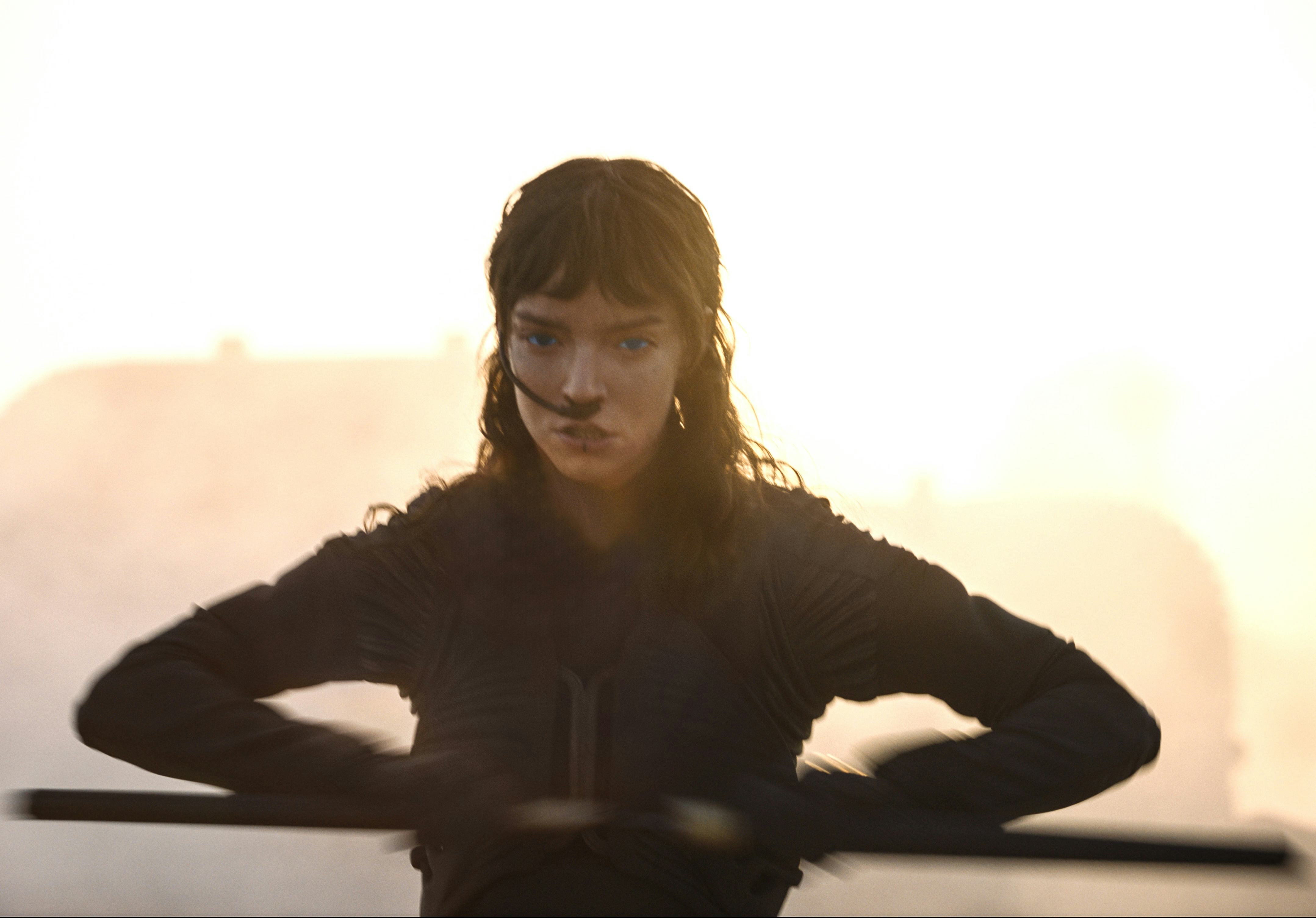
The preview posters and new trailer describe Dune: Part Three the same way: “The Epic Conclusion.” For longtime fans of Frank Herbert’s original six Dune novels, this statement, if taken at face value, sounds shocking. After spending two entire movies adapting the first 1965 Dune novel, will the third installment somehow cram books two through six into one movie, including roughly 5,000 years of future history? The short answer is no. Dune: Part Three, based on the newly released character posters and just-released teaser trailer, is an adaptation of the second Dune novel, 1969’s Dune Messiah.
But, because the film is being marketed as the “conclusion,” it feels like the tone of the movie is already changing the original books in two massive ways. Because of the existence of Children of Dune in 1976, calling any version of Dune Messiah the “conclusion” is a tiny bit like pretending that The Empire Strikes Back is the ending of the Star Wars saga. In fact, calling this film the conclusion of “the Dune Trilogy” could indicate a huge shift from the source material. Or maybe not? Let’s take a brief dive into the sand to sort it all out.





