
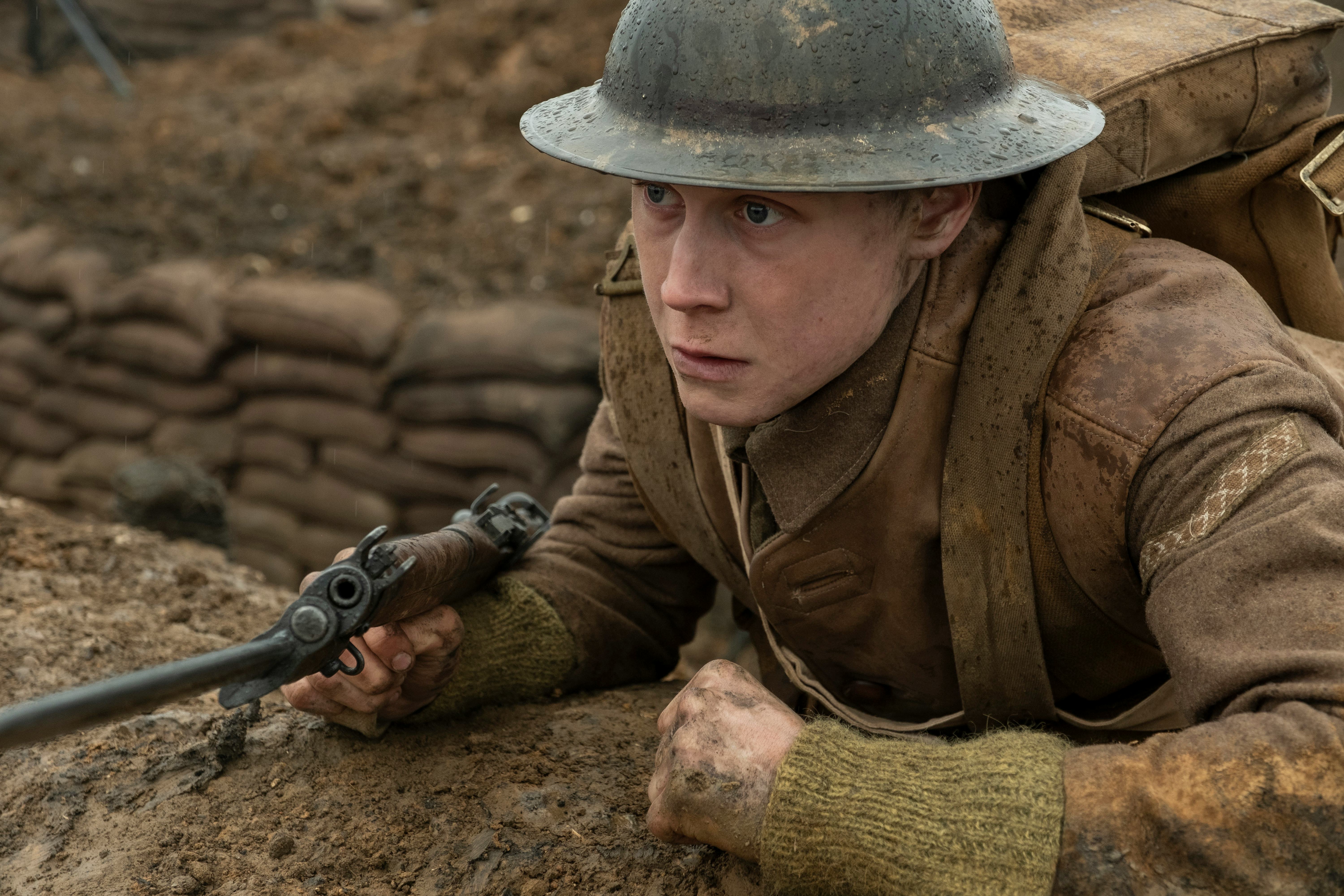
A “single-take” gimmick can make or break a film. In ideal circumstances, it should supplement a story without stealing attention from the narrative. In other cases, like with 1917, it almost is the story; or at least that’s what its critics would have you believe.
While most can agree on 1917’s visual prowess, Sam Mendes’ 2019 war epic got plenty of flack for its technical ambitions. Its one-take conceit was the flashiest part of its awards season campaign, effectively overshadowing conversations about story and performance. It didn’t help that 1917 has so much in common with Dunkirk, the Christopher Nolan-directed war story that employed its own creative gimmick in 2017. With such a transcendent experience already stuck in audiences’ minds, was another really necessary? Not everyone was on the same page about the film’s merits then — but five years after its contentious debut, 1917 more than justifies its existence.