
The temperature drops, the mornings frost over, and suddenly your once-thriving garden starts looking like it’s auditioning for a frozen food commercial. Frost is a silent plant killer—sneaking in overnight and attacking roots when they’re most vulnerable. But there’s a secret weapon that seasoned gardeners swear by: mulch. Not just any mulch, though—natural mulches that insulate, protect, and nourish the soil while keeping your roots cozy all winter long.
If you’re ready to outsmart Jack Frost and save your garden from the deep freeze, here are five natural mulches that work wonders.
1. Straw: The Classic Cold-Weather Blanket
If mulch had a Hall of Fame, straw would be front and center. Lightweight, breathable, and incredibly insulating, straw acts like a fluffy quilt for your garden beds. It traps air between its hollow stems, creating a natural barrier that prevents soil from freezing solid. Plus, straw decomposes slowly, meaning it’ll protect your plants all winter without turning into mush halfway through January. Just make sure to use clean straw—not hay—since hay is full of seeds that could turn your garden into a weed patch by spring.
2. Shredded Leaves: Nature’s Free Gift
Every fall, trees drop the best natural mulch money can’t buy—leaves! Instead of raking them to the curb, shred them with a mower and layer them around your plants. Shredded leaves create a soft, airy insulation that locks in soil warmth while keeping moisture levels balanced. Over time, they also enrich your soil with organic matter and beneficial microbes. It’s sustainable, effective, and gives your garden that earthy, woodland vibe that looks straight out of a nature magazine.
3. Pine Needles: The Underestimated Power Player
Pine needles, or pine straw, often get overlooked—but they’re actually one of the most durable mulches around. Their long, waxy needles interlock to form a dense mat that sheds water yet lets air circulate, making it perfect for protecting roots from both frost and rot. Pine needles also break down slowly, so one good layer can last all season. They’re slightly acidic, too, which makes them great for acid-loving plants like blueberries, azaleas, and rhododendrons. Plus, they give your beds a clean, polished look that’s as functional as it is beautiful.
4. Wood Chips: Long-Lasting and Low-Maintenance
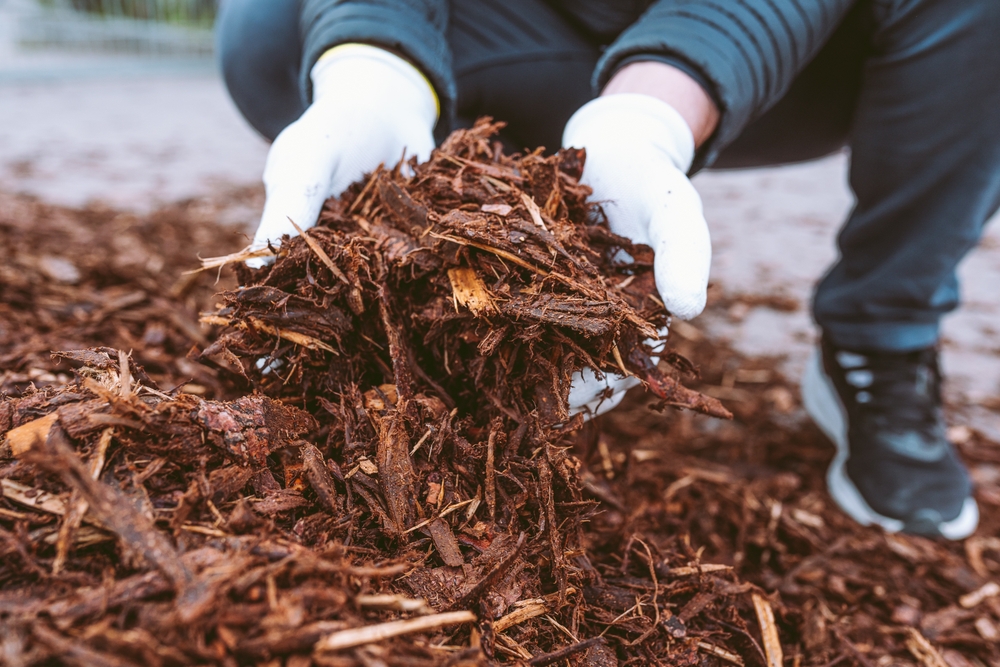
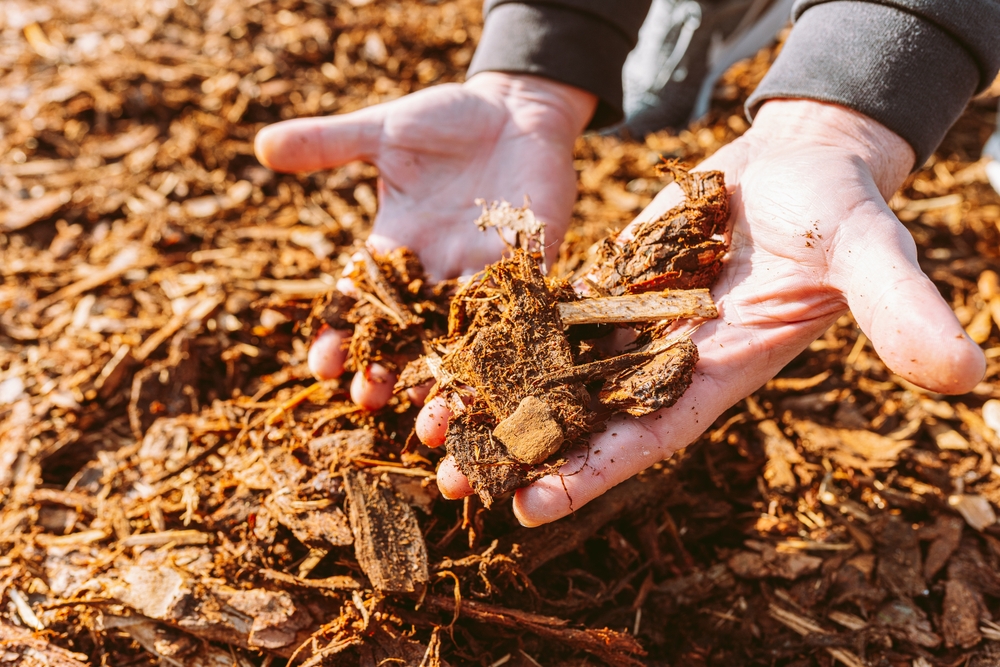
If you prefer a mulch that does double duty—protecting roots and beautifying your garden—wood chips are your go-to. They insulate soil by creating a thick layer that stabilizes temperature fluctuations, preventing freezing and thawing cycles from damaging roots. Over time, the chips decompose and release nutrients that improve soil structure. The best part? They stick around much longer than lighter mulches like straw or leaves, so you won’t have to refresh them as often. Just keep the chips a few inches away from plant stems to avoid trapping excess moisture and inviting rot.
5. Compost: The Overachiever’s Choice
Compost isn’t just for fertilizing—it’s also an excellent natural mulch that protects and nourishes at the same time. Rich, dark, and moisture-retentive, compost acts like a thermal blanket that absorbs heat during the day and releases it slowly overnight. It keeps soil temperatures stable while feeding the microbial life that helps plants thrive even in the off-season. As it breaks down, compost improves soil texture and fertility, giving roots the boost they need to rebound come spring. It’s basically the spa treatment of mulches: relaxing, rejuvenating, and incredibly good for long-term soil health.
Keep Those Roots Toasty!
Frost might be inevitable, but root damage doesn’t have to be. With the right natural mulch, you can protect your plants, enrich your soil, and keep your garden thriving even in the coldest months. Whether you choose straw, leaves, pine needles, wood chips, or compost, the key is consistency and timing—apply your mulch before the first hard frost for maximum impact.
Which mulch have you tried, or do you have your own secret frost-fighting trick? Share your thoughts, stories, or garden hacks in the comments below.
You May Also Like…
Why Mulching Too Early Can Damage Perennials
11 Trees With Leaves Worth Collecting for Mulch
The Mulch Trick That Saves Water and Fights Weeds
How to Build a Leaf Mold Pile That Actually Breaks Down
5 Fall Planting Mistakes That Kill Your Harvest
The post 5 Natural Mulches That Protect Roots From Frost appeared first on Frugal Gardening.