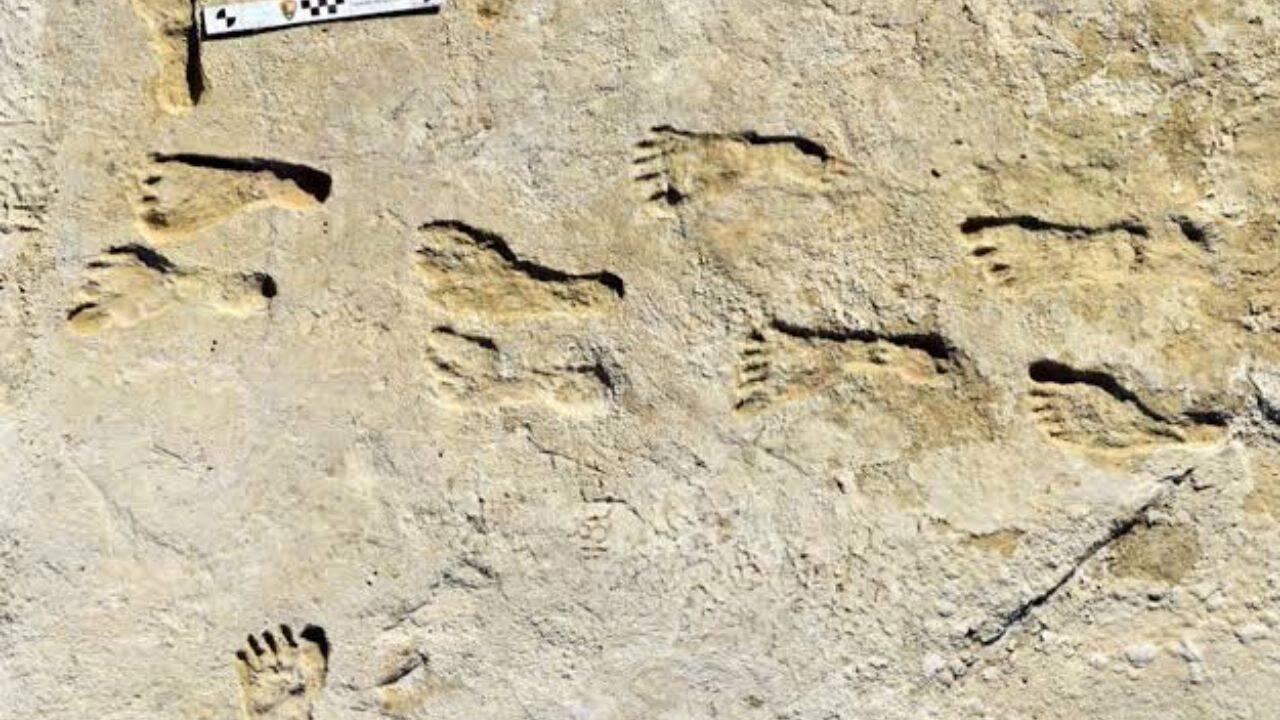
In the scrubby expanse of White Sands National Park in New Mexico, a set of impressions pressed into ancient mud has continued to unsettle assumptions about when people first moved through the Americas. The markings, preserved in layers of sediment that later hardened into gypsum, were first described in a 2021 study published in Science, titled ‘ Human footprints near ice age lake suggest surprisingly early arrival in the Americas ’, which revealed that they placed them far earlier than the long-accepted timeline. That interpretation drew attention partly because of the methods used to anchor the age, relying on organic material trapped within the same deposits. Years on, a fresh round of testing has revisited those layers using different techniques, incorporating microscopic pollen and mineral signals rather than relying on a single line of evidence. The latest work has strengthened the case for an unexpectedly early human presence while also addressing lingering doubts about the original analysis.
Get breaking news anytime, anywhere. Download the TOI app now!