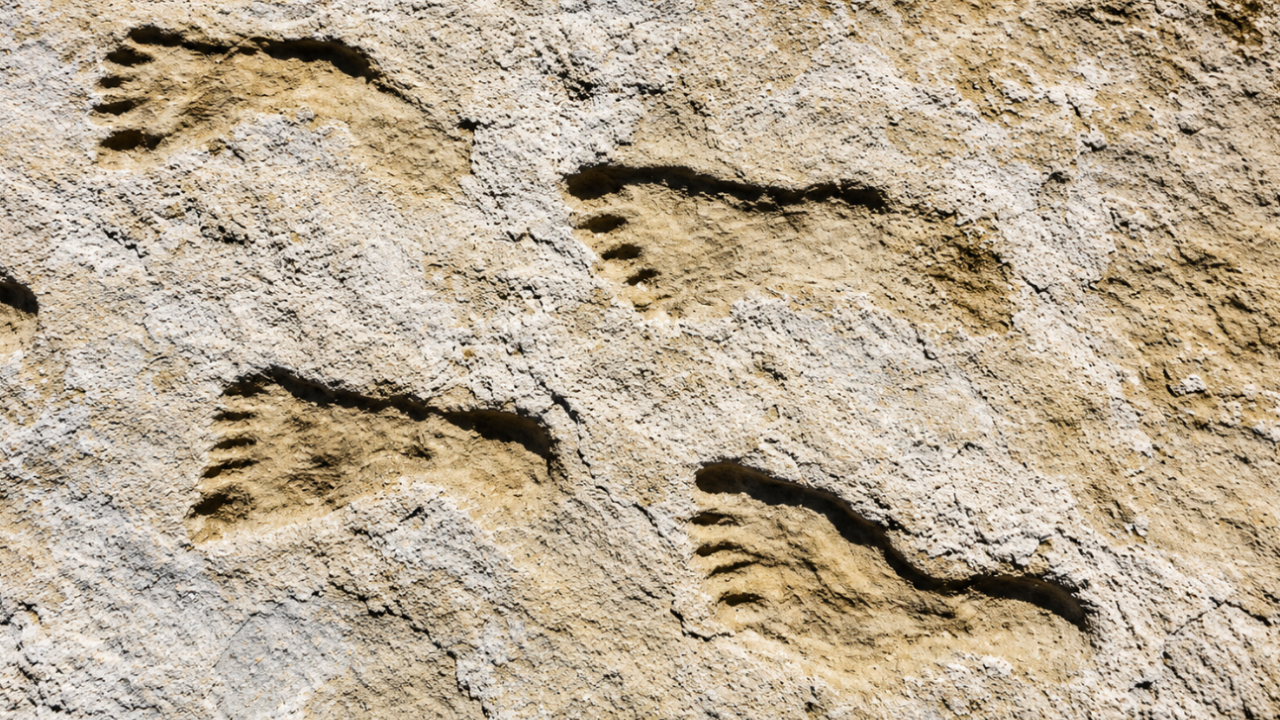
For most of the twentieth century, the story of how humans arrived in North America felt settled. They came from Siberia, crossed a land bridge called Beringia, moved south as the ice sheets retreated, and by around 13,000 years ago had given rise to the Clovis culture, the earliest widely accepted evidence of human presence on the continent. It was a tidy, well-defended consensus. Then, in 2019, archaeologists digging in the gypsum dunes of White Sands National Park in New Mexico pulled something out of the ground that the consensus could not absorb: a set of fossilised human footprints so old they had been pressed into mud during the peak of the last Ice Age, when the land bridge those same humans were supposedly still waiting to cross had not yet opened.
How scientists dated the footprints and why it caused a controversy