
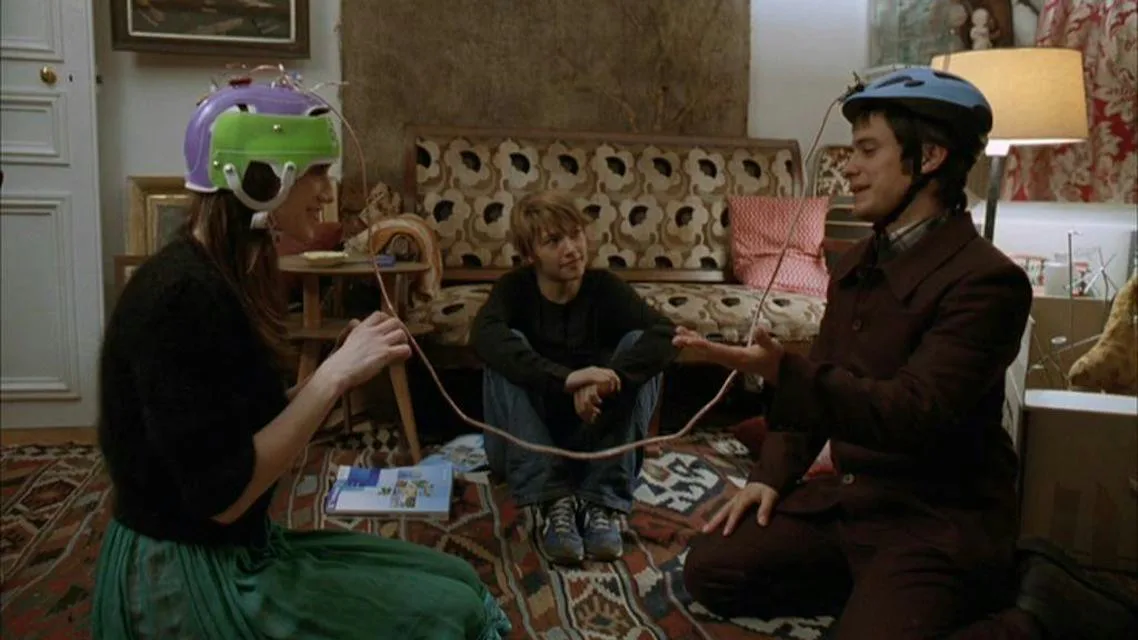
In the mid-2000s, Michel Gondry directed a movie about the doomed romance between an insecure man-child and a creative, flighty woman, in which the boundaries between reality and dreams are often fluid, and the characters’ emotions inform their fantastical experiences. That describes his 2004 masterpiece Eternal Sunshine of the Spotless Mind, but it’s just as applicable to his underappreciated follow-up, 2006’s The Science of Sleep.
Released in U.S. theaters 20 years ago this week, The Science of Sleep didn’t make the same immediate impact as Eternal Sunshine, and it hasn’t enjoyed the same lasting reputation. But it’s another excellent example of Gondry’s filmmaking ingenuity and artistic sensitivity, with the kind of ramshackle, handmade aesthetic that he’d carry over into the more mainstream Be Kind Rewind a couple of years later. Its love story is pricklier and less grand than the romance between Jim Carrey’s Joel and Kate Winslet’s Clementine in Eternal Sunshine, although it’s equally reflective of the toxic dynamic between two people who seem appealingly quirky on the outside, but are deeply troubled on the inside.