
Get all your news in one place.
100's of premium titles.
One app.
Start reading
T3
T3
Technology
Chris Hall

15 years later, Apple might finally have found a use for "liquid metal" – to make the iPhone Ultra unique

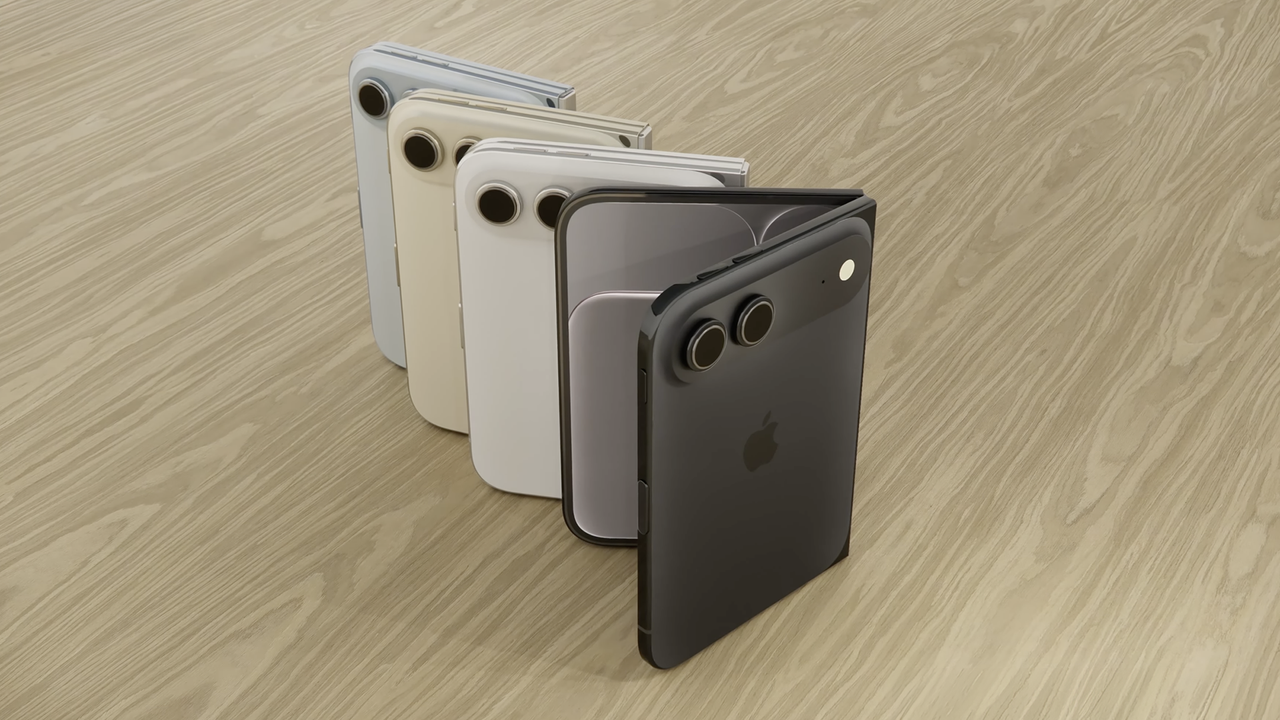
IPhone Fold concept illustration by Bob Obba / YouTube.

Quick Summary

The iPhone Ultra could use liquid metal for its hinge. The material is strong, light and better suited to forming complex shapes than traditional alloys.


Apple has long had an interest in the material, but it's rarely been used in its products.

Apple could be looking at using liquid metal in the construction of the new iPhone Ultra folding phone. It's thought that it could be used for the hinge.

The details come from a leak on Weibo, but let's just clear something up before imaginations run wild: this isn't liquid metal like the T1000 in Terminator films, able to keep its form while transfiguring into different shapes a normal temperatures.

Instead, liquid metal is an amorphous alloy where the atoms form a disorganised structure rather than a crystalline grid like traditional metals. That allows it to be formed into complex shapes and it allows greater flexibility in manufacturing.

It's called liquid metal because it behaves more like a liquid and it's something that Apple has been interested in for a long time. Indeed, rumours that Apple would use liquid metal for its folding phone appeared in 2025 and was even discussed in 2010 by the likes of Cult of Mac.

The tech has also been referred to as metal glass.

The aim would be to make the hinge lighter and stronger, while being able to form the complex shapes needed and to ensure durability. Liquid metal is a good application for this and Apple won't be the first to use it: it's already used by Oppo.

While the hinge is often highlighted as a point of failure for folding phones, there are two parts to consider. There's the mechanical hinge itself and then there's the display that sits over it. In the folding phones I've owned (or rather my wife has owned) the screen has failed through delamination of the screen at the point of bending.

That could perhaps be aided by producing a stronger hinge that better supports the display from the rear. Oppo's approach here is interesting for exactly that, because it uses a 3D scanning and liquid printing technique to flatten out the hinge and produce a "no crease" hinge.

Apple's first use of liquid metal was to produce a SIM tray tool for the iPad, but since then, the company's interest in the material hasn't resulted in anything substantial – it hasn't been used in a product (that we know of).

The iPhone Ultra could change that, with a much more substantial use of the material that Apple has been interested in for more than 15 years. The iPhone Ultra is expected to be announced in September 2026.

Sign up to read this article
Read news from 100's of titles, curated specifically for you.
Already a member? Sign in here
Related Stories
Top stories on inkl right now
One subscription that gives you access to news from hundreds of sites
Already a member? Sign in here
Our Picks
Fourteen days free
Download the app
One app. One membership.
100+ trusted global sources.