
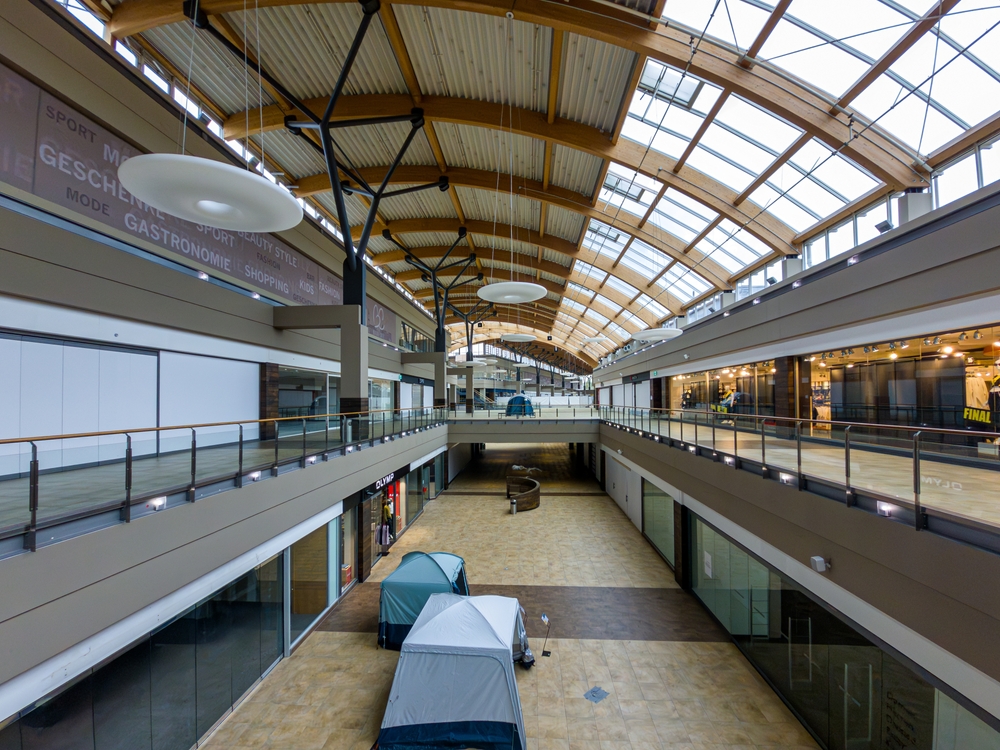
The strangest thing about abandoned malls is how they can look like the final scene of a forgotten apocalypse movie one year and then, suddenly, become the hottest destination in town the next. Empty escalators, ghostly food courts, and miles of unused retail space have turned into blank canvases for some of the boldest reinventions you’ve ever seen. Developers, dreamers, and downright clever entrepreneurs are transforming these once-forgotten structures into bustling new hubs of life—and the results are nothing short of brilliant.
What was once the symbol of retail decline has now become a playground for innovation. Let’s take a trip through the wild, creative, and unexpectedly profitable ways abandoned malls are getting a second chance at stardom.
1. Urban Housing Complexes
Turning malls into multi-level apartment communities has become one of the smartest ways to revive these massive spaces. Developers are converting former department stores into sleek studios, modern lofts, and spacious townhome-style units. With built-in parking, walkable layouts, and plenty of room for amenities, these spaces are ideal for creative housing solutions. Instead of wandering through an empty wing of shuttered stores, tenants get indoor gyms, lounges, and community centers. It’s a transformation that solves two problems at once: too many abandoned malls and not enough affordable housing.
2. Mega Healthcare Campuses
Hospitals and medical centers are snapping up defunct malls faster than you can say “urgent care.” With wide hallways, abundant parking, and structural flexibility, malls can easily accommodate exam rooms, clinics, labs, and specialty practices. Former food courts now host pharmacy counters or waiting lounges, creating environments that feel far less intimidating than traditional hospitals. Patients appreciate the accessible layouts and familiar surroundings. It’s a brilliant way to bring healthcare into underserved communities that desperately need it.
3. Giant Indoor Sports Arenas
When you need space for soccer fields, basketball courts, batting cages, or entire gymnastics academies, an abandoned mall is practically begging to be repurposed. The sprawling, climate-controlled interiors make these perfect for sports training centers. Families love having a year-round place for kids to burn energy without battling harsh weather. Former retail stores become locker rooms, coaching offices, or gear shops. It’s a gold mine for sports programs that once struggled to find affordable space.
4. High-Tech Office Villages
Tech companies are discovering that abandoned malls offer massive floor plans ideal for startups, studios, and innovation labs. Instead of building office towers from scratch, they can move into already-constructed shells and design flexible workspaces. Open-concept hubs, coworking lofts, and studio pods can stretch across entire mall wings. Employees also get wide hallways, green spaces, and food court-style gathering areas. These converted malls feel more like creative campuses than old shopping centers.
5. Immersive Entertainment Worlds
Entertainment companies are transforming malls into fully immersive adventure parks, themed escape rooms, and interactive fantasy lands. With multiple levels, hallways, and hidden rooms, malls naturally lend themselves to sprawling story-driven attractions.
Visitors can wander through sci-fi realms, horror mazes, or game-themed missions across thousands of square feet. The scale alone creates experiences no small venue could match. These revamped spaces become regional attractions that draw crowds all year long.
6. Senior Living Resorts
Retirement communities are reimagining abandoned malls as vibrant senior living centers with a twist. Residents enjoy indoor walking paths, on-site dining options, recreational areas, and medical facilities under one roof. The large spaces make it easy to design safe, accessible environments without sacrificing style or comfort. Some developers even keep skylights and open areas to give seniors the feel of an indoor town square. It’s a fresh, forward-thinking approach to aging in place.

7. Academic Learning Hubs
Schools and universities are converting malls into campuses that offer classrooms, libraries, and student lounges. With ample parking and flexible layouts, malls can easily house entire departments or satellite programs. Students get the benefit of large communal spaces that feel modern and inviting. Former clothing stores turn into labs, while old anchor stores become lecture halls. These education hubs breathe new life into underutilized property while expanding access to learning.
8. Farmers Market Mega-Centers
Local growers and artisans love the idea of a climate-controlled indoor market with room for dozens—sometimes hundreds—of vendors. Abandoned malls offer the perfect combination of wide aisles, loading areas, and open space. Visitors get to shop year-round without battling heat, rain, or freezing temperatures. Former chain stores become bakeries, fresh produce stalls, or handcrafted goods boutiques. It’s a thriving marketplace reinvented inside a space once known for retail giants.
9. Film and Television Production Studios
Production companies have discovered that empty malls are cinematic gold. They offer endless filming locations, customizable set spaces, and soundstage-level square footage. Whether a show needs an office, a school hallway, a hospital, or a creepy horror site, the mall delivers.
Crews can build, shoot, and store equipment all under one roof. These spaces often become long-term studio homes, generating huge economic boosts for local communities.
10. E-Commerce Fulfillment Hubs
Online retailers are turning abandoned malls into the nerve centers of fast delivery systems. With loading docks, huge interior layouts, and easy access to major roads, malls make perfect fulfillment hubs. The transformation is swift and efficient, maximizing storage and packing capacity. Workers get centralized break rooms and onsite amenities originally designed for shoppers. Suddenly, a failing mall becomes a thriving engine of modern logistics.
11. Indoor Botanical Gardens
Some developers are taking a greener approach—literally—by filling empty malls with lush indoor gardens. Think winding paths, exotic plants, koi ponds, and glassy sitting areas that feel like a biodome. Natural light from skylights creates a peaceful, vibrant atmosphere unlike anything in the mall’s original design. Visitors love the escape, and environmental groups applaud the sustainable reuse. It’s a serene reinvention that draws crowds seeking calm instead of commerce.
12. Maker Spaces and Artisan Villages
Crafters, builders, and creators thrive in open areas where they can work, collaborate, and sell their goods. Abandoned malls transform into giant maker hubs filled with workshops and studios. Visitors get to watch artisans in action, turning raw materials into handmade items. The result is a community-driven marketplace that feels authentic and creative. It brings back the sense of local culture malls once lacked.
13. Mixed-Use Lifestyle Districts
Developers are combining dining, fitness, entertainment, and boutique shops into modern lifestyle centers that feel like indoor downtowns. Malls provide the perfect canvas for these multi-purpose environments.
Guests can grab lunch, hit a yoga class, meet friends, and even attend events—all without stepping outside. The flexibility of the mall layout lets designers craft vibrant, energetic spaces. It becomes a destination, not just a place to shop.
14. Indoor Car Showrooms and Expo Halls
Automotive brands and event planners love the idea of large, adaptable indoor areas for showcasing products. Abandoned malls offer more than enough space for rotating car exhibits, conventions, trade shows, and launches. The wide walkways and open anchors create natural flow for visitors. Companies enjoy the freedom to design elaborate displays without weather concerns. These spaces turn into bustling hubs of activity and innovation.
Conclusion: The Future Of Malls Is Brighter Than Anyone Expected
Abandoned malls once symbolized decline, but today they’re exploding with creativity, opportunity, and community-focused design. These massive structures are being reimagined in ways that benefit cities, small businesses, residents, and visitors alike. Their transformations prove that innovation thrives when people look at old spaces with fresh eyes.
Which reinventions have you seen near your area—or which ones would you love to see? Hop below to share your thoughts, stories, or experiences in the comments.
You May Also Like…
7 Sneaky Things Retailers Do to Keep You Spending
9 Outrageous Markups Retailers Don’t Want You to Know About
The 6 Largest Malls in America Ranked by Size and Wow Factor
14 Clever Ways Abandoned Malls Are Being Revitalized and Repurposed
15 Shopping Tips That Lead to Unnecessary Spending
The post 14 Genius Ways Abandoned Malls Are Being Turned Into Gold Mines appeared first on Everybody Loves Your Money.