In the 1840s, Alabama farmers embraced a drought-resistant livestock grass; it became a crop-choking weed that could poison cattle
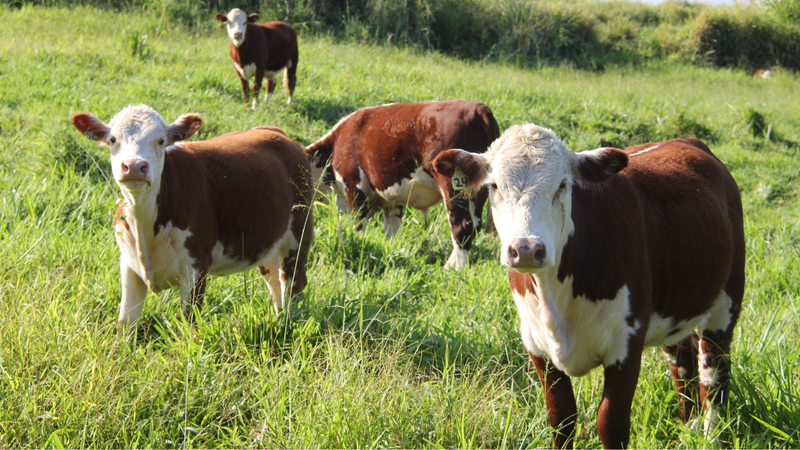
First brought to Alabama for cattle feed in the 1840s, Johnsongrass has since proliferated throughout the United States via seeds and extensive underground stems. This invasive grass now threatens agricultural output in nearly all states. Alarmingly, it has the ability to release hydrogen cyanide when stressed, highlighting a potential risk…

The Times of India ·

















 The Guardian - UK
 The Independent UK
 Barchart
 Chicago Sun-Times
 Latin Times
 Reason
 Sports Illustrated
 The Guardian - AU
 The Times of India


