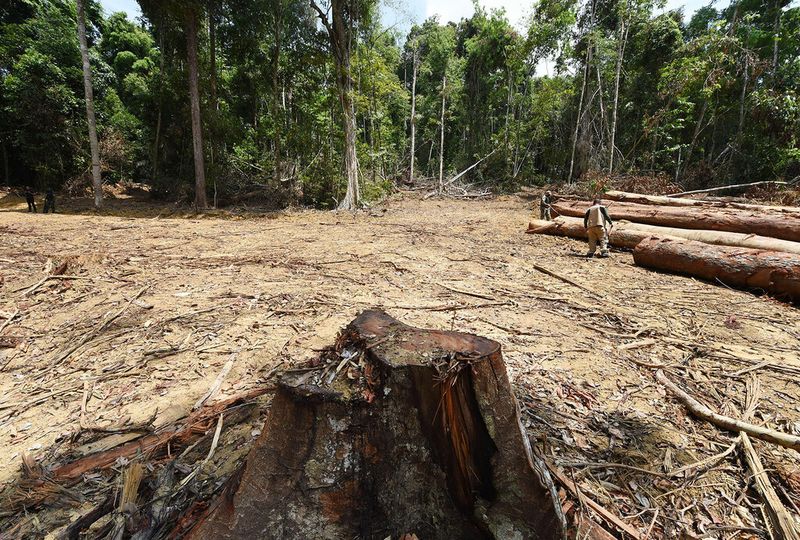
When did the Isthmus of Panama form between North and South America? The linkage of the Americas had outsize impacts globally, and its controversial timing has similarly large implications for science. LiveScience · May 13, 2023
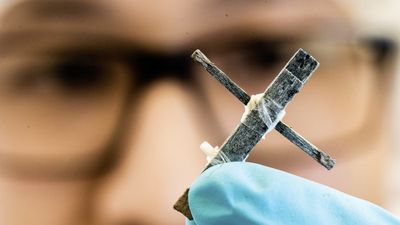
World's First Wood Transistor Chops Out at 1 Hz The first wood transistor doesn’t switch very fast, but it gets extra points for sustainability and biodegradability. Tom’s Hardware · Apr 29, 2023
Camel and Shark Blood Could Help Treat Elusive Human Diseases Scientists hope to harness them as treatments for ills from cancer to Covid, for tracking cells in the body, and more. Inverse · Feb 25, 2023
New research finds a disturbing pattern of discrimination at the highest levels of STEM Gender and racial bias in academia in well-documented. Inverse · Nov 2, 2022
Why we need more protected areas New research supports efforts to designate more land and water to save biodiversity and fight climate change Salon · Sep 4, 2022
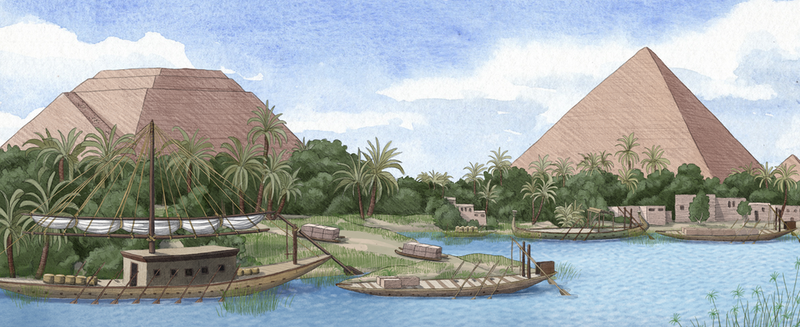
Long-lost branch of the Nile helped build Egyptian pyramids, study confirms Study sheds light on environmental conditions that enabled construction of the pyramids of Giza The Independent UK · Aug 31, 2022
Study Shows Environmental Impact of 57,000 Products Sold in Supermarkets Eating fruits and vegetables is better for the planet than eating meat and cheese, but a new study by scientists released Monday showed chips and sugary drinks also have a very low environmental impact. Scientists analyzed some 57,000 products sold in supermarkets in Britain and Ireland, in a large study… Asharq Al-Awsat · Aug 9, 2022
Milk May Exacerbate Multiple Sclerosis Symptoms, New Study Suggests Researchers at the University of Bonn have found a link between the consumption of dairy products and more severe multiple sclerosis (MS) symptoms in MS patients. Multiple sclerosis sufferers often complain of more severe disease symptoms after consuming dairy products. Researchers have now found a possible cause for this and… Asharq Al-Awsat · Mar 5, 2022
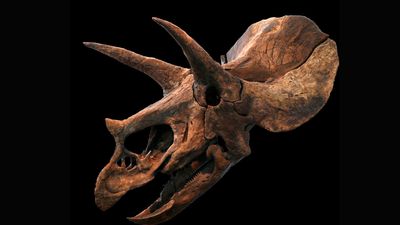
Triceratops: Facts about the three-horned dinosaur Triceratops lived at the end of the Cretaceous period, between 67 million and 65 million years ago. Once considered solitary, new fossil discoveries indicate it was a social animal that may have lived in herds. LiveScience · Mar 18, 2016