Mum diagnosed with incurable cancer after symptoms dismissed as perimenopause Crystal Portsmouth suffered chronic anaemia and exhaustion for years before she was diagnosed with myeloma The Independent UK · Nov 28, 2025
Mirena IUD does not need to be replaced for eight years, up from five, says TGA Peak medical groups say the decision aligns with current evidence. The device is the longest-acting hormonal contraceptive available in AustraliaMirena IUD can be used for up to eight years, up from five, says TGA The Guardian - AU · Jul 12, 2024
An Aussie TikToker Has Gone Viral For Yanking Out Her IUD & Someone Give Her A Bravery Award An Aussie woman has posted to TikTok explaining how she yanked out her own IUD after two months of pain and my insides are fkn tense just thinking about it. The TikToker, who posts under the username @bombie90, explained how she had the contraceptive device put in two months ago… Pedestrian.tv · Aug 11, 2023
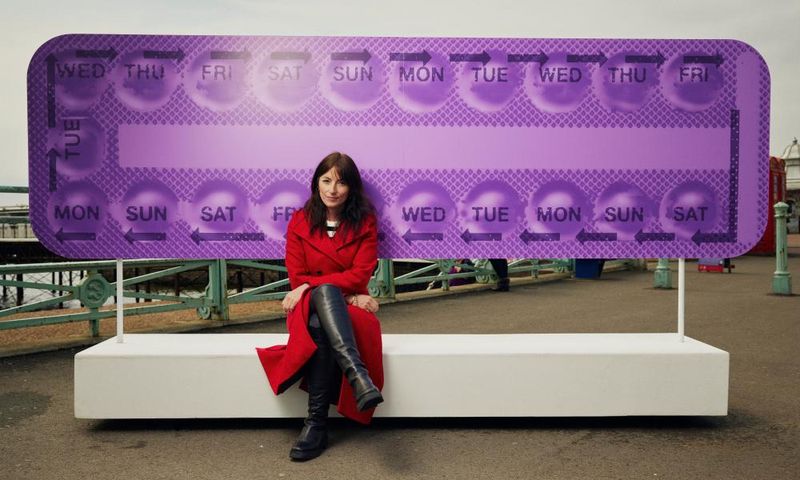
Channel 4 viewers praise Davina McCall for getting coil changed on camera for new contraception show The presenter documented the procedure as part of her "groundbreaking" show, Pill Revolution Wales Online · Jun 9, 2023
Davina McCall’s Pill Revolution review – this powerful documentary could save lives Why is there so little research into the pill? Why are women in the UK offered so little contraceptive choice? This programme tackles the troubling truth – and will make you very angry indeed The Guardian - UK · Jun 8, 2023
Everything you need to know about IUDs, myths, does it hurt and advantages over pill An expert has debunked myths around the coil Liverpool Echo · Jun 5, 2023
Davina McCall filmed having coil fitted for documentary as she says it 'felt amazing' The 55-year-old will explore the contraceptive pill in her new Channel 4 show and will provide viewers with a closer look at the side effects Daily Mirror · May 30, 2023
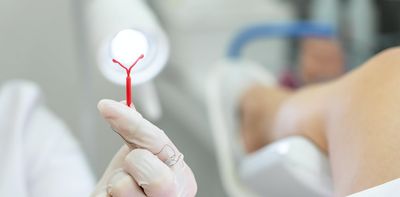
Considering an IUD but worried about pain during insertion? Here’s what to expect Intrauterine devices (IUDs) are small T-shaped plastic devices containing either copper or a low dose of progestogen hormone. Lasting five to ten years, they provide highly effective contraception and are chosen by increasing numbers of users of all ages from adolescence to perimenopause. The Conversation · May 16, 2022


















 Daily Mirror
 Liverpool Echo
 Pedestrian.tv
 The Conversation
 The Guardian - AU
 The Guardian - UK
 The Independent UK
 Wales Online
