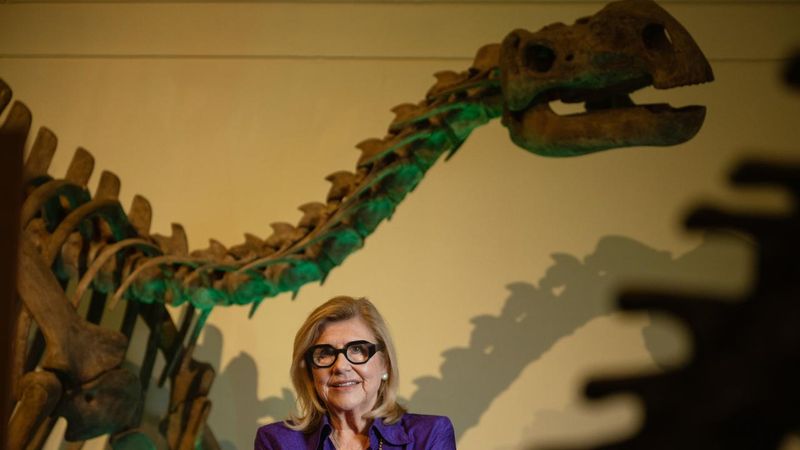
Museum's new chapter won't deny uneasy past The Australian Museum hopes to inspire a new generation while confronting its colonial past, as the nation's oldest museum prepares to mark its 200th year. AAP · Oct 9
Meet ‘platypus man’ Harry Burrell. He transformed Australian science – and put on quite a show Harry and Susan Burrell were a remarkable 20th century couple. They were Australian vaudeville performers, self-taught naturalists, animal traders and collectors of specimens. The Conversation · Sep 28
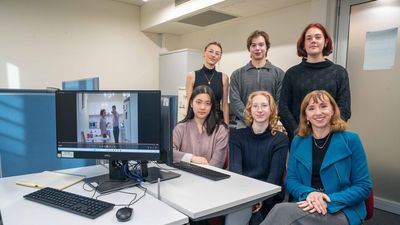
Natural selection: women win at top science awards A team studying aspects of domestic violence, a marine heatwave forecasting system and a solar panel recycling solution are among the Eureka Prize winners. AAP · Sep 3
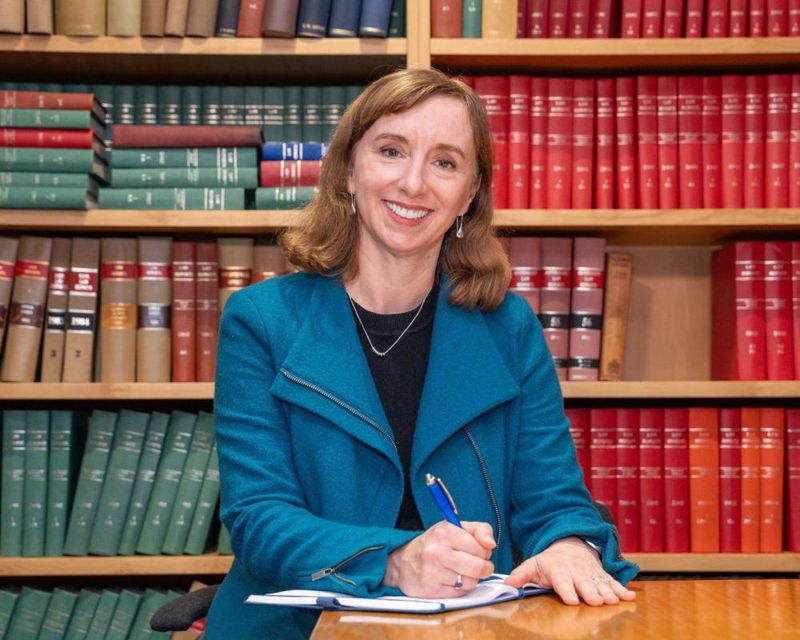
Australian science prize awarded to researcher studying memory accuracy of domestic violence survivors Helen Paterson’s work on advancing how police and courts understand memory is recognised in prestigious Eureka prizes The Guardian - AU · Sep 3
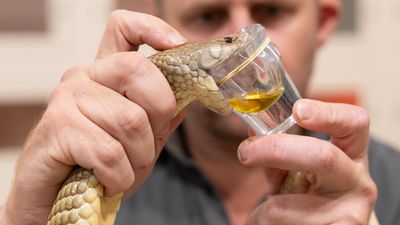
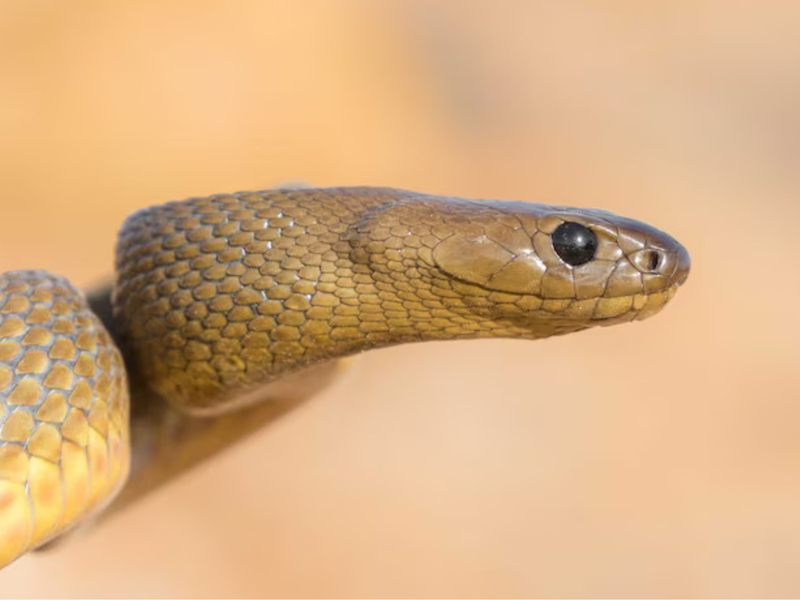
In 1950, a 20-year-old photographer dying after a deadly snakebite made one final request: He begged doctors to spare the snake, and 5 years later, its venom helped save a child’s life Taipan snake bite: A young Australian snake handler asked that the deadly taipan that bit him not be killed. The snake provided crucial venom for scientists working to develop a specific antivenom. Five years later, the antivenom helped save 10-year-old Bruce Stringer in Cairns, who was reportedly the first person… The Economic Times · Sep 1
In 2021, scientists reported that Sydney cockatoos had learned to pry open garbage bins; by the end of 2019, the trick had spread across 44 suburbs In Sydney, cockatoos have mastered the art of opening garbage bins, sharing this clever skill across various neighborhoods. Individual birds have crafted distinct methods, suggesting the emergence of local foraging cultures among the parrots. In turn, residents have implemented strategies to secure their bins, creating a fascinating feedback loop where… The Times of India · Aug 23
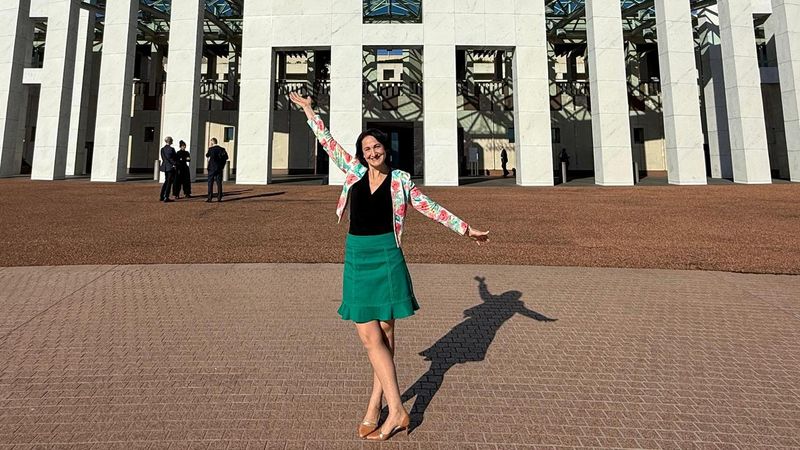
DNA twist: Grisham fan cracks life-and-death case A lawyer's campaign has culminated in a legal victory worthy of a Grisham novel with laws banning life insurers from using genetic test results to deny cover. AAP · Aug 22
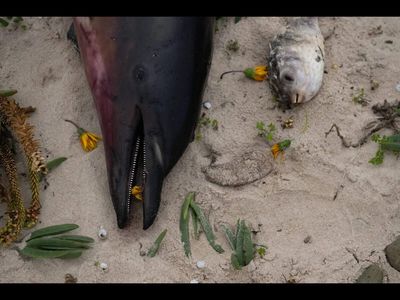
Why are so many dolphins washing up on South Australian beaches? Long-term data point to a devastating algal bloom In 2025 and 2026, South Australia faced a troubling harmful algal bloom, resulting in unprecedented dolphin fatalities— the highest in more than 10 years. Citizen scientists played a pivotal role by documenting over 123,000 observations of marine life. Moreover, those visiting beaches experienced respiratory issues and eye irritation due to… The Economic Times · Aug 4
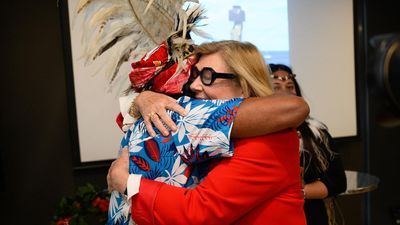
'Unflattering history' embraced in return of remains The Australian Museum has formally returned the remains of several Rapa Nui ancestors to Easter Island after purchasing them more than 140 years ago. AAP · Jul 15
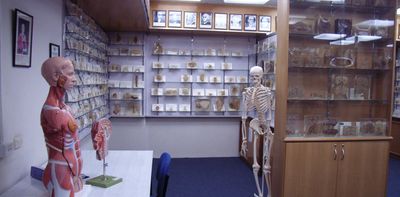
For decades, Australian institutions have displayed stolen human remains. But there’s a way forward The RA Rodda Pathology Museum at the University of Tasmania, established in 1966, is currently in possession of about 2,700 human body parts. At least 177 of these were obtained without consent from their loved ones. The Conversation · May 20
Snakes alive! Nature's greatest storyteller turns 100 Nature-lovers across Australia are planning remarkable displays to celebrate renowned naturalist Sir David Attenborough's 100th birthday. AAP · May 7
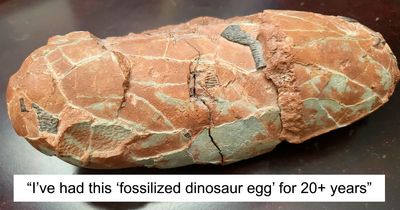
79 Times People Found Interesting Fossils And Asked Others To Identify Them Our planet has been around for several billion years, a number so huge it is hard to fully understand. In all those years, countless creatures and organisms have lived and vanished, and a few left behind pieces of their existence. Those eventually became fossils, giving us a rare chance to… Bored Panda · Apr 5
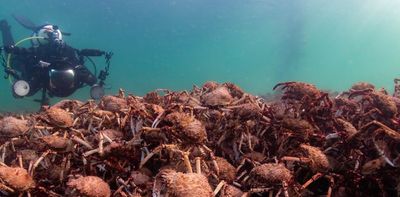
Want to be a citizen scientist? Here are 5 ways to get involved Ever wondered what it might feel like to spot giant spider crabs while you’re snorkelling? Or check plants for the circular holes that indicate native bees are collecting nest materials? The Conversation · Apr 1
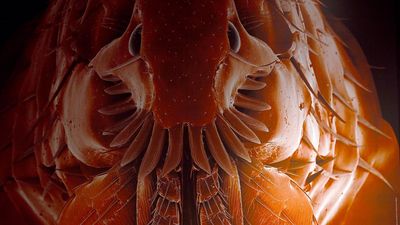
They suck your blood: nature's vampires at museum show From mosquitoes to giant leeches, the Bloodsuckers exhibition at the Australian Museum explores creatures that live off blood. AAP · Apr 1
The Conversation · Mar 31 Jane Ward Tost was a trailblazer in natural sciences – until history forgot her In the 19th century, natural history was a field dominated by men: collectors, curators and naturalists. Names such as John Gould and John James Audubon are well known for their contributions to ornithology.
The Guardian - AU · Mar 31 Deepwater discoveries: scientists find more than 110 new fish and invertebrate species in the Coral Sea Brittlestars, sea anemones and a catshark among new-to-science species collected during expedition off the Queensland coast
The Conversation · Jan 19 Citizen scientists are spotting more and more rare frogs on private land Almost two-thirds of Australia is privately owned. But most of our scientific understanding of how threatened species are faring comes from research done on public lands. Traditional biodiversity surveys by professional scientists are time and resource intensive and navigating access to private lands can be tricky.
The Conversation · Nov 12, 2025 You might think frogs never get enough water. Turns out, they can fare worse in floods than bushfires Frogs need water. Almost all of the world’s 7,900 known frog species breed in fresh water. And when it rains, these amphibians erupt into a chorus of calls – croaks, trills, cheeps and bellows – to attract a mate.
The Guardian - AU · Nov 8, 2025 Retired Australian teacher discovers the oldest fossil of its kind in southern hemisphere – and a new species Robert Beattie, 82, has found specimens of a 151m-year-old midge that challenge what we know about how the insects evolved
The Conversation · Oct 14, 2025 Theft, lies and butterflies: the Englishman who stole thousands of specimens from our museums In August 2025, there was a plague of Monarch butterflies near Nannup in Western Australia. Thousands of winged creatures arrived – attracted to two invasive weeds, cotton bush and milkweed. In a time of a bitter loss of bees and butterflies in our ecologies, the multitude of fluttering wings was…
The Guardian - AU · Oct 4, 2025 The great butterfly heist: how a gentleman collector stole thousands of butterflies from Australian museums Scientists are still unravelling the thefts of Colin Wyatt, an English adventurer, artist and naturalist who charmed the entomological community
Bored Panda · Aug 20, 2025 Reader’s Vote: What Is The Scariest Animal In The World? Reader's Vote: What Is The Scariest Animal In The World? Is it the spider, the mosquito, or something with sharp teeth and a huge mouth? Vote for the creepiest, most terrifying animal in the world!
AAP · May 20, 2025 Australia helping Vanuatu with museum collection upkeep The Australian Museum is hoping to attract funding to continue an outreach program supporting the safe storage of priceless collections held in Pacific museums.
LiveScience · Jan 20, 2025 'Big boy' spider becomes Australia's largest deadly funnel-web after surprise discovery The Sydney funnel-web spider has extremely dangerous venom, but according to a new study this spider is actually three different species — one of which, the "Newcastle big boy," is much larger.
The Guardian - AU · Jan 14, 2025 Dream come true for Australian funnel-web spider enthusiast after he discovers a new species Newcastle funnel-web spider’s last shared common ancestor with the Sydney funnel-web was 17 million years ago, experts say












 The Guardian - AU
 The Conversation
 AAP
AAP
 ABC News
 LiveScience
 Newcastle Herald
 The Independent UK
 Bored Panda
 The Economic Times
 Evening Standard
 Pedestrian.tv
 The Guardian - UK
