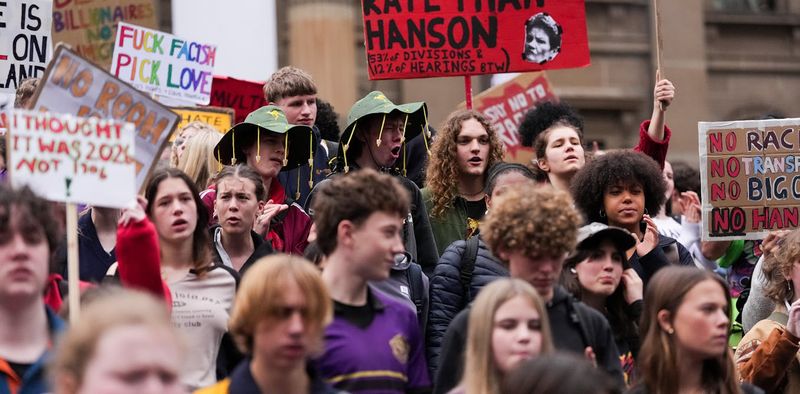
From sportswear to protest attire: the surprisingly political history of the hoodie In the cold weather, few items of clothing beat a hoodie. They’re comfy, warm and they look cool. The Conversation · Aug 13
I lived through the first Taliban girls’ school ban — watching it happen again is heartbreaking In August 2021, the Taliban recaptured Kabul and, within weeks, barred girls from attending school beyond Grade 6. The ban has not lifted. The Conversation · Aug 13
Trauma can trigger psychosis – and talk therapy can help treat both If you hear “psychosis”, what do you think of? The Conversation · Aug 13
Storms of dust and sand are another sign our climate is changing. Two experts explain Imagine you wake up one morning and look out your window. You see a sky of red, hear a ferocious blast of wind and watch as tree branches creak and crack. The Conversation · Aug 13
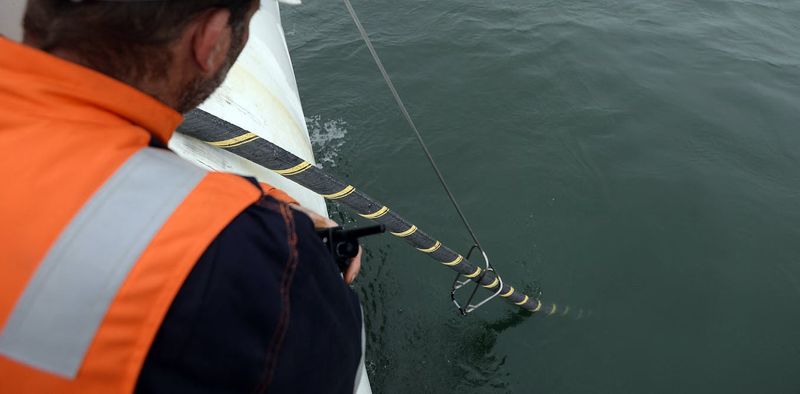
Two subsea cables off Perth suffer ‘concerning’ damage. Lasers could help protect them Earlier this week, Bevan Slattery, the chief executive of subsea cable company SubCo, announced that two cables had experienced faults over the weekend. He deemed it a “concerning development” because these “submarine cables are the digital lifeblood of our nation”. The Conversation · Aug 13
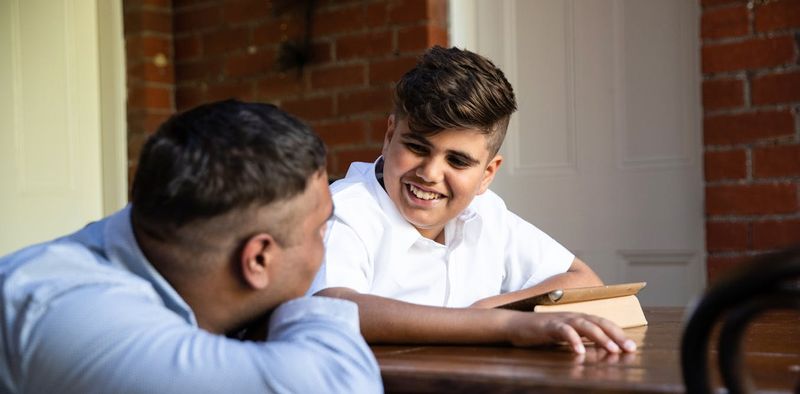
The Coalition wants to see more Indigenous students go to private schools. Is this a smart idea? The Coalition is signalling it wants to see more disadvantaged Aboriginal students go to private schools. The Conversation · Aug 13
Friday essay: we’re all ‘political’ now – but can that lead to real change? It was the summer of 2024 in Carindale, Queensland. I had gone to a salon for lashes and somehow found myself inside a political monologue. The Conversation · Aug 13
Could saunas and ice baths affect male fertility? Here’s what the evidence says The internet’s obsession with “maxxing” has turned almost every aspect of self-improvement into a trend. The Conversation · Aug 13
Ancient forests took 100,000 years to recover from the last global warming period similar to today – Wyoming fossils reveal what happened Fifty-six million years ago, Earth’s forests reached a tipping point. They had grown dense, lush canopies at the start of one of Earth’s most intense episodes of greenhouse warming. But those canopies began to thin. The Conversation · Aug 13
The FIFA World Cup should belong to fans, not super-rich investors FIFA President Gianni Infantino recently cancelled plans to sell a 20 per cent stake in a company that would run the association’s tournaments, including the World Cup, to private investors. The Conversation · Aug 13
Why AI training can backfire for older workers Employers are increasingly investing in training to prepare their employees for artificial intelligence (AI). Training budgets are growing, and “upskilling” has become a common response to rapid technological change. The Conversation · Aug 13
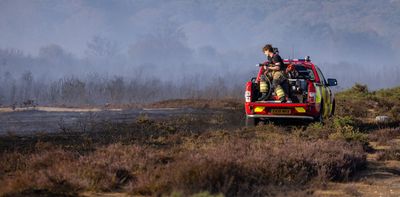
To tackle extreme heat, Andy Burnham needs to urgently take these three radical steps The UK has entered its fifth successive heatwave. More than 70% England and all of Wales are now under drought conditions. That means 45 million people are now living in a drought area in England, with more than 27 million facing water use restrictions. Dangerous wildfires are have been blazing… The Conversation · Aug 13
High infant formula milk prices are putting babies at risk We have all seen an increase in the cost of our food shop over the last few years. In March 2023, food price inflation in the UK hit a record peak of 19.1%. But price rises for infant formula milk have been steeper still. The Conversation · Aug 13
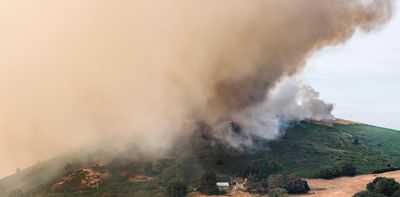
There’s nothing ‘wild’ about most wildfires – humans start them and have made them more dangerous A wildfire needs a name long before anyone knows what caused it. When the pines of the Gironde in southwestern France caught light in July, the fire was being reported within hours under the name of the ground it was burning. By the time it had taken 40,000 hectares, that… The Conversation · Aug 13
The Conversation · Aug 13 Iran oil spill: the war is leaving environmental scars that ceasefires cannot heal Oil slicks moving along Iran’s southern coast have reached the Hara mangrove forests of Qeshm Island. Iranian authorities say the extent of the contamination is still being assessed and the source of the oil pollution has not yet been established. But several oil spills have been detected in the region…
The Conversation · Aug 13 How Lagos pioneers built a vibrant Yoruba print culture in the 1920s – at the height of colonialism In Lagos in the 1910s and 1920s a new market of readers was emerging who wanted to express themselves in their own languages. Despite the dominance of colonial English print culture, entrepreneurs increasingly started using printing presses for mainstream Yoruba-language newspapers, books and pamphlets.
The Conversation · Aug 13 Refugees, lost trade and security costs: how conflict in one African country drives up debt for its neighbours Conflicts in Africa vary in scope and intensity. They range from large-scale civil wars to territorial disputes, localised insurgencies, inter-communal violence, political instability, armed conflict and terrorism. The continent has earned the reputation of being the world’s bloodiest.
The Conversation · Aug 13 The story of a vegetable garden in rural South Africa shows how communities can drive climate action A long-standing idea in environmental research is that people are more likely to care about the environment, and do something to prevent environmental damage, once they earn enough to stop worrying about paying their bills. But what happens in rural communities with high levels of poverty, where money is scarce…
The Conversation · Aug 13 A new class of metals could transform Africa’s clean energy economy – scientists explain For centuries, useful metals have been developed by starting with one core element and adding small amounts of other elements. Steel, for example, is composed primarily of iron; carbon is added in varied amounts to produce different grades of steel. Bronze is made up of copper and tin. These mixtures…
The Conversation · Aug 13 Extreme weather is making work difficult for many people – this is what needs to change We have experienced several heatwaves in the UK this summer – workers suffering from heat stress is among the biggest causes of weather-related sick leave here. Very high temperatures can cause symptoms like heat rashes and cramps, or even exhaustion and heatstroke.
The Conversation · Aug 13 An astronomer on what it’s really like to stargaze for a living Jodie Foster tearing up a dirt road, yelling stellar coordinates into a walkie-talkie à la the 1997 sci-fi film Contact. Control rooms alive with a cacophony of “enhance that signal”. Real-time discovery. That’s what I pictured when my PhD supervisor told me I’d be going observing at a telescope.
The Conversation · Aug 13 Eight in ten adults track their own health – new survey Before breakfast, you may already have checked your sleep score, resting heart rate or blood oxygen level. By bedtime, you might look at your step count, stress score or even an estimate of your biological age. For millions of people, keeping tabs on health and wellbeing has become almost as…
The Conversation · Aug 13 Want to support Ukraine? Read its books Since 2013, Vladimir Putin has argued that Ukrainians and Russians are “one people”. It’s an attempt to erase Ukrainian identity, part of an assault that has been ongoing for centuries.
The Conversation · Aug 13 The sinking of the MV Barima puts Guyanese inequities under a global spotlight The MV Barima — an 87-year-old ferry owned and operated by the state of Guyana — recently sank off the country’s coast on its way from the country’s capital of Georgetown to Port Kaituma, a journey of about 18 to 24 hours.
The Conversation · Aug 13 Controlling wild pigs can work if it’s a group effort The federal government is injecting millions of dollars into efforts to combat feral hogs – and it’s considering spending even more in the coming years. The problem has grown for decades, but our research has found that a recently revived federal effort offers the potential for bringing the hogs under…