Social media has become increasingly video-focused in recent years, as even the once photo-focused Instagram focuses on Reels – but video giant YouTube is planning on adding support for still images sometime in 2026, according to CEO Neal Mohan.
Tucked inside an extensive list of plans that YouTube has in store for 2026 are three simple words that indicate the video-focused platform is planning to roll out support for still photos this year.
“This year we'll bring even more variety to Shorts by integrating different formats – like image posts – directly into the feed, making it easier to stay connected with your favorite creators,” Mohan writes.
Mohan doesn’t offer any additional insight into what the image posts will look like or when in 2026 the feature will arrive. But the CEO indicates that image posts will be a part of Shorts, which are YouTube’s short-form vertical videos.
YouTube has always been traditionally video-focused, although creators do already have the ability to share images to the Community Tab, along with editing them into a video.
The addition of image posts is an interesting one, as platforms gravitate towards vertical video. Even Instagram, once known for its photo sharing, has shifted to vertical video, and head Adam Mosseri said earlier this year that “that feed is dead.”
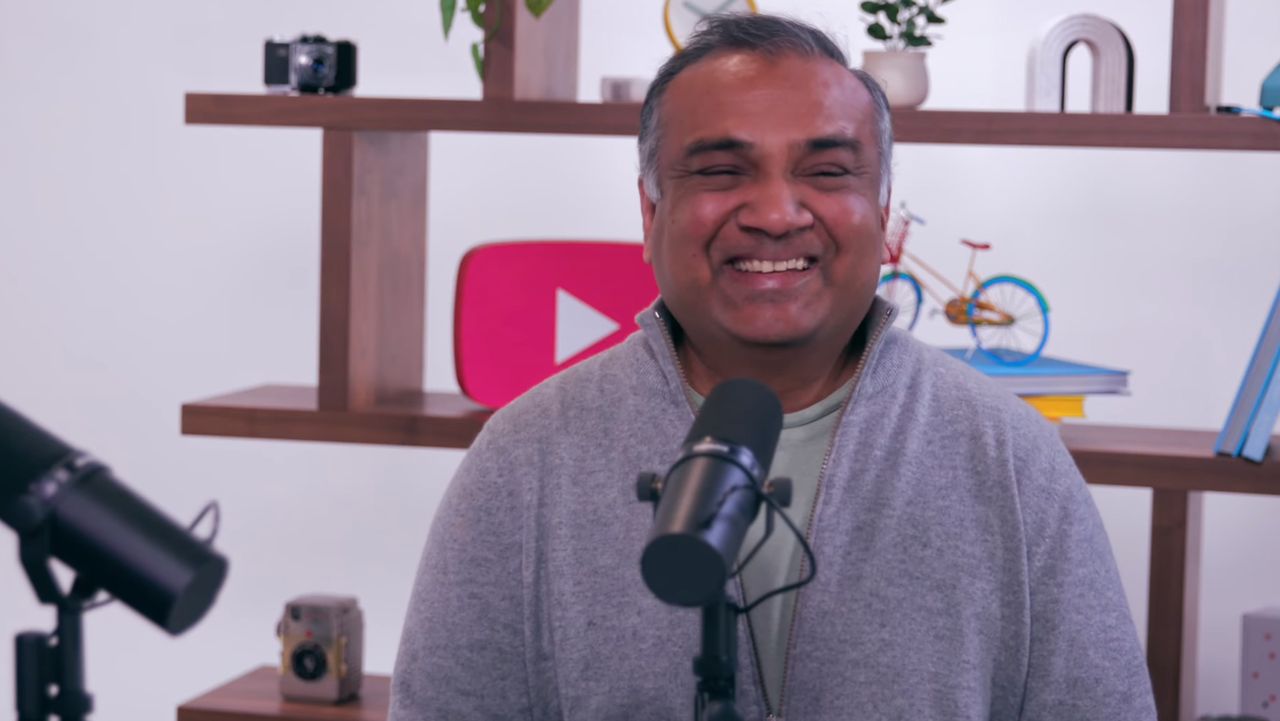
ABOVE: Watch the CEO explain YouTube's 2026 priorities
Image posts aren’t the only thing that creators may have to look forward to on YouTube in 2026. The still image support is just three words in a long list of features that the CEO has planned for the platform this year.
That includes giving creators the ability to create shorts with an AI using their likeness, expanding monetization tools and building on parental controls. The list of planned features also includes the ability to buy products without leaving the YouTube app, new brand partnership tools, AI-generated games and specialized YouTube TV plans.
Mohan also says that 2026 will also include building tools to manage AI slop.
“Over the past 20 years, we’ve learned not to impose any preconceived notions on the creator ecosystem. Today, once-odd trends like ASMR and watching other people play video games are mainstream hits. But with this openness comes a responsibility to maintain the high quality viewing experience that people want.
“To reduce the spread of low quality AI content, we’re actively building on our established systems that have been very successful in combatting spam and clickbait, and reducing the spread of low quality, repetitive content.”
Mohan’s article was shared alongside a video interview, where he described creators as the “epicenter” of the platform.
“We are the world’s original and largest creator economy,” Mohan said. “We intend to remain that way. I’m incredibly proud of the fact that, over the last four years, we’ve paid out over a hundred billion dollars to creators, artists, media companies, and other partners.”
You may also like
Take a look at the best cameras for YouTube.