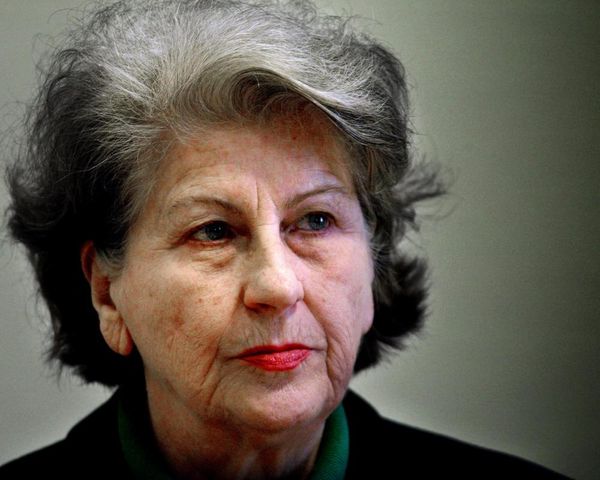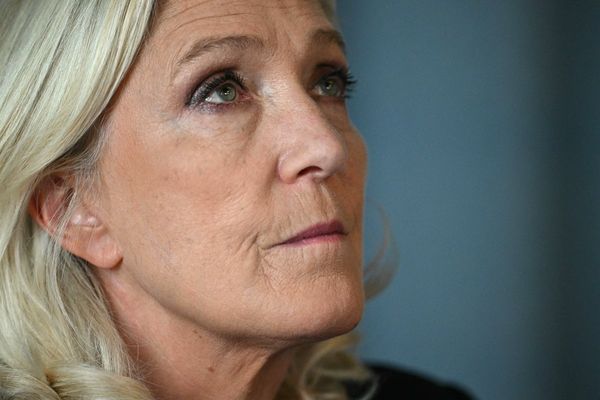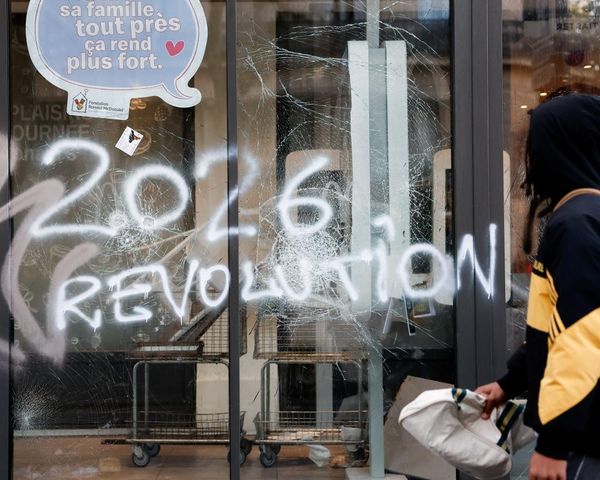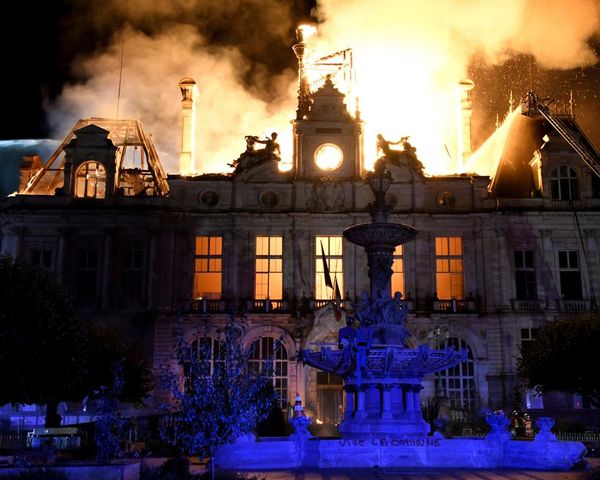
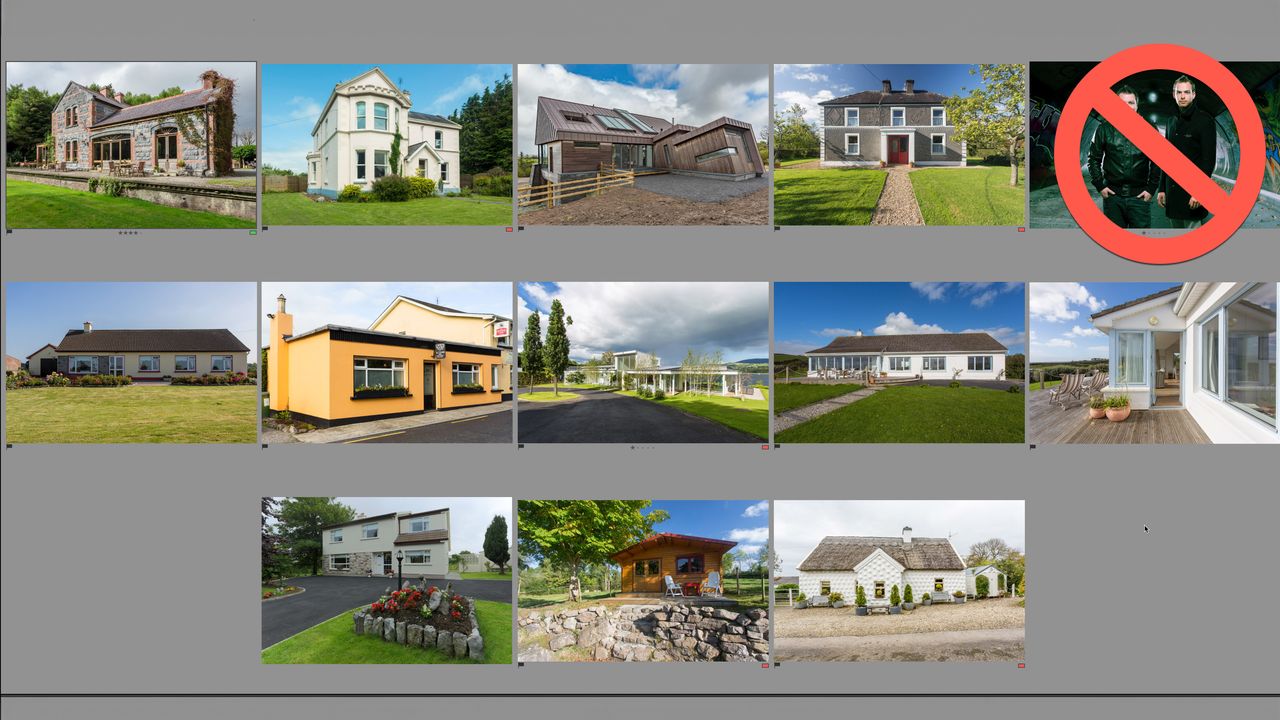
There are photos on my hard drive that I'm genuinely proud of. Technically strong, visually striking, and folks stop when they see them. They have absolutely no business being in my portfolio, and it took me longer than I'd like to admit to accept that.
We’re all guilty of it. You’ve made an image that earns real admiration, the temptation to make it the key photo in your portfolio is impossible to resist.

Here's the thing: a portfolio isn't a greatest hits compilation. It's a promise.
When a client opens your portfolio, they're not there to be impressed. They’re seeking an answer; can this photographer deliver what I need, and do it consistently? Every photo that doesn't fit your established style, no matter how good it is technically, introduces doubt where you need certainty. That stunning landscape you shot on holiday? The dramatic street portrait from a workshop weekend? If everything else you shoot is clean corporate headshots or crisp food photos, those outliers don't elevate the portfolio. They introduce doubt.
Impact and substance are not the same, and we shouldn’t confuse them. Impact is the immediate reaction — the sharp intake of breath. Substance is the strong foundation that gives confidence to a client when they scroll through your work and see the same eye, the same approach, the same excellent quality repeated image after image. Substance is what gets you hired.
The seductive part about a stunning outlier is that it feels like it can only help. But portfolios don't work on averages — they work on coherence. One image that doesn't belong shifts the viewer's attention from the work to the photographer, and not in a useful way. Instead of thinking "this person really understands corporate portraiture," they're thinking "this person has range, but what do they actually do?"
The hardest edit isn't cutting your weakest work. Any photographer can spot the failures with enough distance. The hard edit is removing the work you love that simply doesn't belong.
Your portfolio should feel inevitable. Image after image builds the same case, creating trust rather than demanding admiration. A client should reach the end feeling certain, not dazzled.
Keep the outliers. Post them on social, enter them for awards, put them in a personal project section. Just keep them out of the room where hiring decisions are made.
The photographers who work consistently aren't always the ones with the single best image. They have a body of great images. They're the ones clients can predict. In commercial photography, predictability isn't a weakness. It's the whole job.