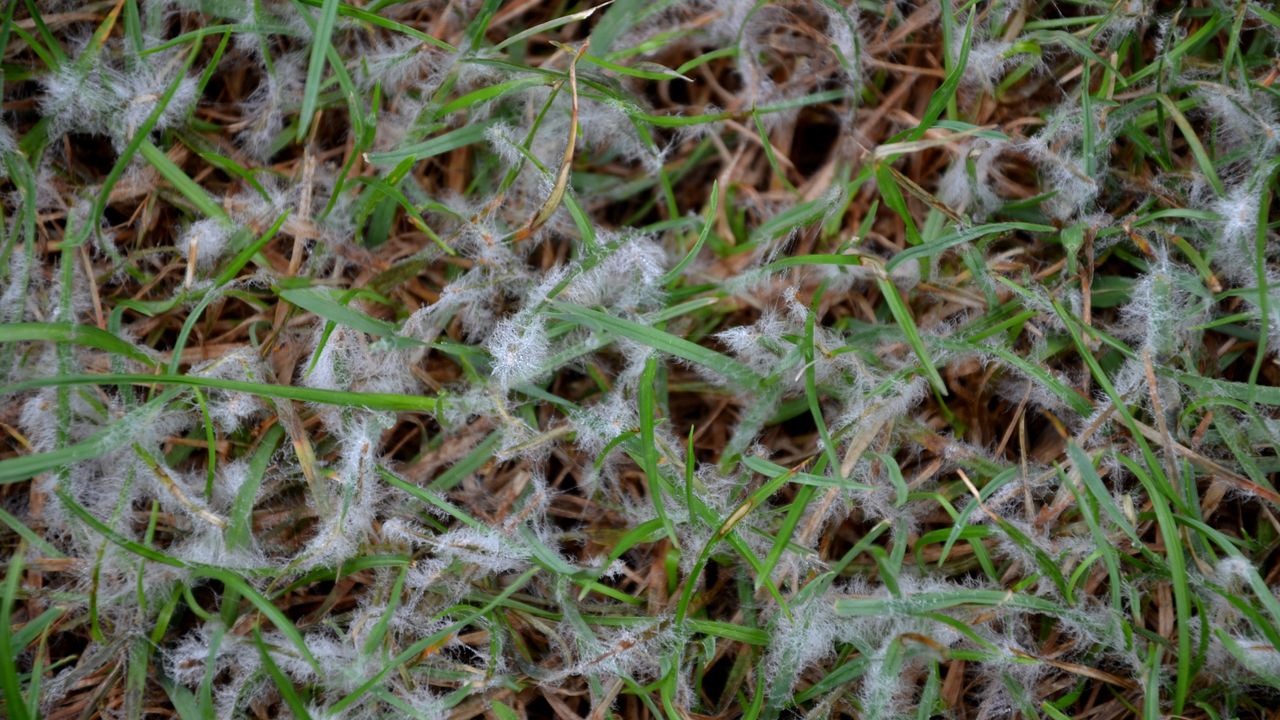
Your lawn looks peaceful under its blanket of snow, but something damaging might be happening beneath the surface. When snow sits on grass for weeks at a time, it creates the perfect conditions for a fungal disease called snow mold to develop and spread.
Most people don't discover snow mold until spring arrives and the snow melts, revealing circular patches of matted, discolored, dead-looking grass scattered across their lawn. By that point, the damage is done. Understanding what snow mold is and taking action now, even mid-winter, can minimize the damage to your grass.
Here's what you need to know about snow mold and what you can still do to protect your lawn.
What is snow mold?
Snow mold is a fungal disease that attacks grass when lawns stay covered in thick snow for extended periods. The fungus thrives in the cool, wet conditions created by prolonged snow cover, growing actively underneath the snow where you can't see it.
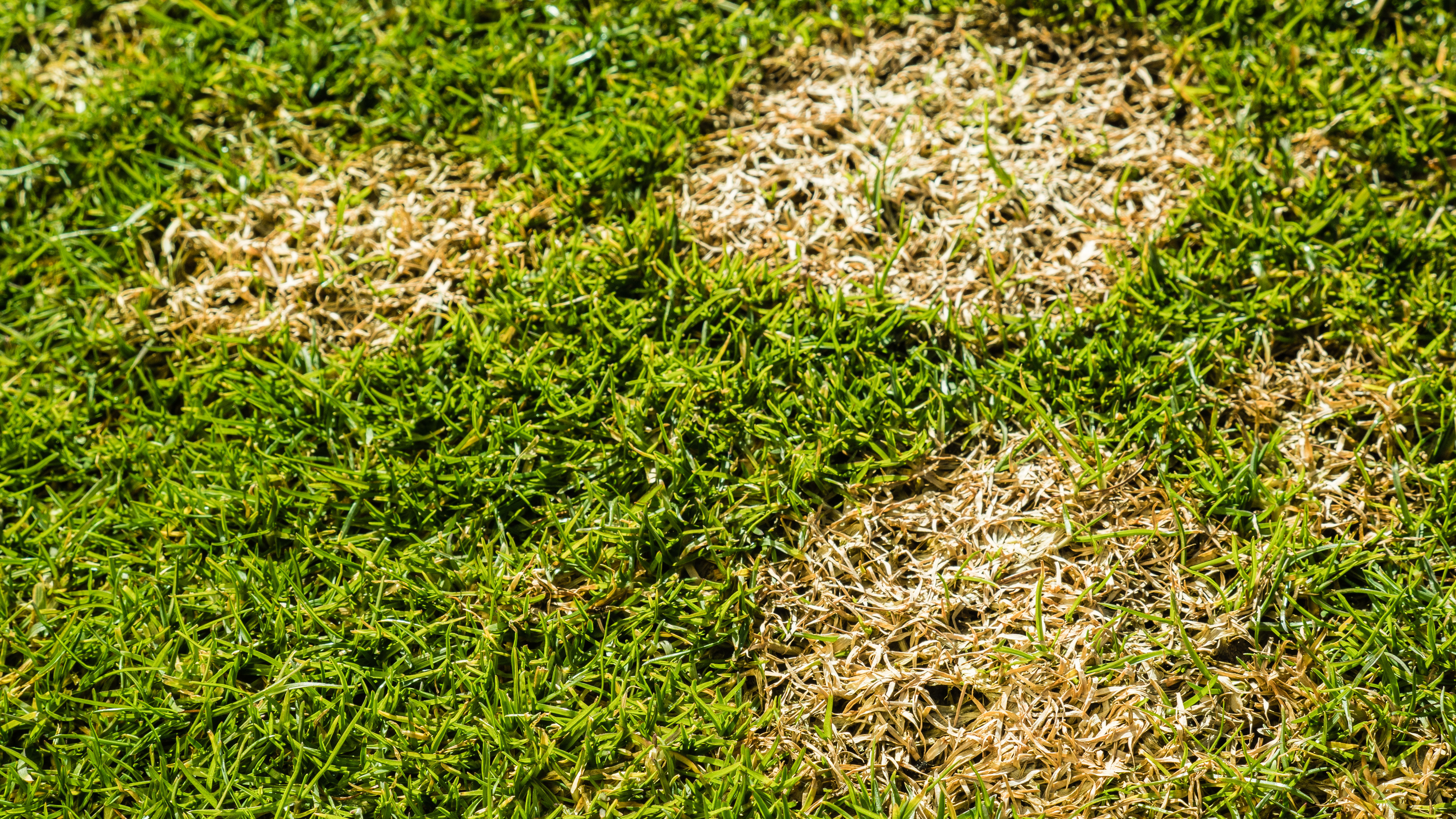
There are two types: gray snow mold and pink snow mold. Gray snow mold appears as white or tan patches of dead, matted grass ranging from a few inches to several feet across. It typically only damages grass blades. Pink snow mold creates smaller patches (usually under six inches) but is more aggressive because it damages grass roots and crowns, not just the blades.
Both types can appear in the same lawn, and pink snow mold continues spreading even after snow melts if conditions stay cool and wet. The damage becomes visible in late winter or early spring when snow finally disappears.
1. Spread out snow instead of piling it on grass
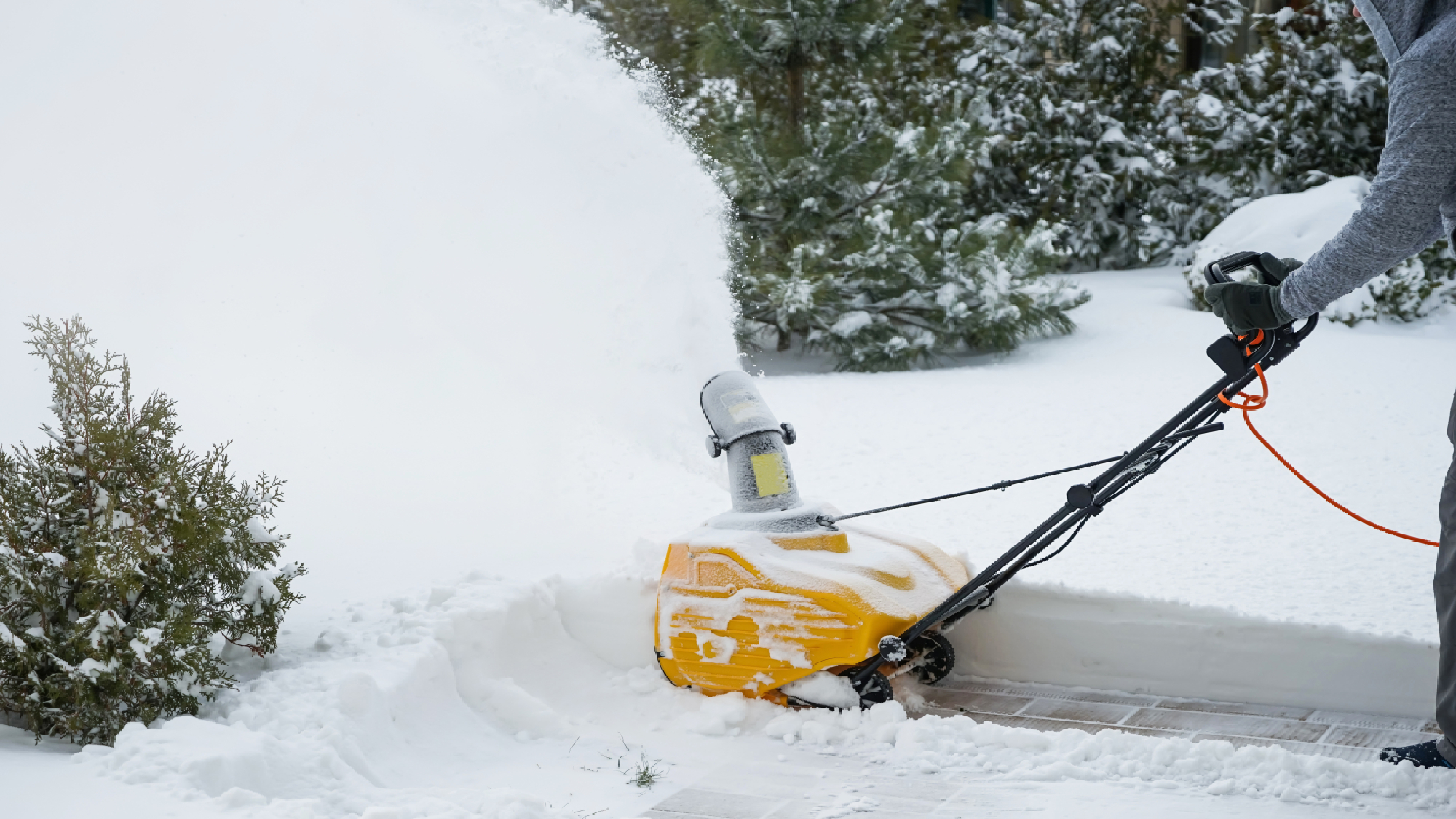
When you shovel or plow snow from driveways and walkways, avoid dumping it all in one spot on your lawn. Thick snow piles take much longer to melt, extending the time your grass stays covered and vulnerable to snow mold.
Spread snow out as thinly as possible across sunny areas where it will melt faster. The quicker snow disappears, the less time fungus has to develop and damage grass.
If you hire snow removal services, ask them to distribute snow evenly rather than creating large piles on lawn areas. This is something you can control right now with every snowfall for the rest of winter.
2. Apply preventative fungicide during thaws

If your lawn has suffered from snow mold in previous winters and you get a temporary thaw where snow melts, you might still be able to apply a preventative fungicide before the next snowfall. Look for products specifically labeled for snow mold control.
This works best if applied before snow covers the ground, but a mid-winter application during a warm spell is better than nothing for lawns with a history of severe snow mold problems. Follow application instructions carefully and apply when temperatures are above freezing.
Keep in mind this is usually unnecessary for most lawns and should only be considered if you've had recurring severe damage in past years. The window for this has mostly passed, but winter thaws can create brief opportunities.
3. Repair snow mold damage in spring
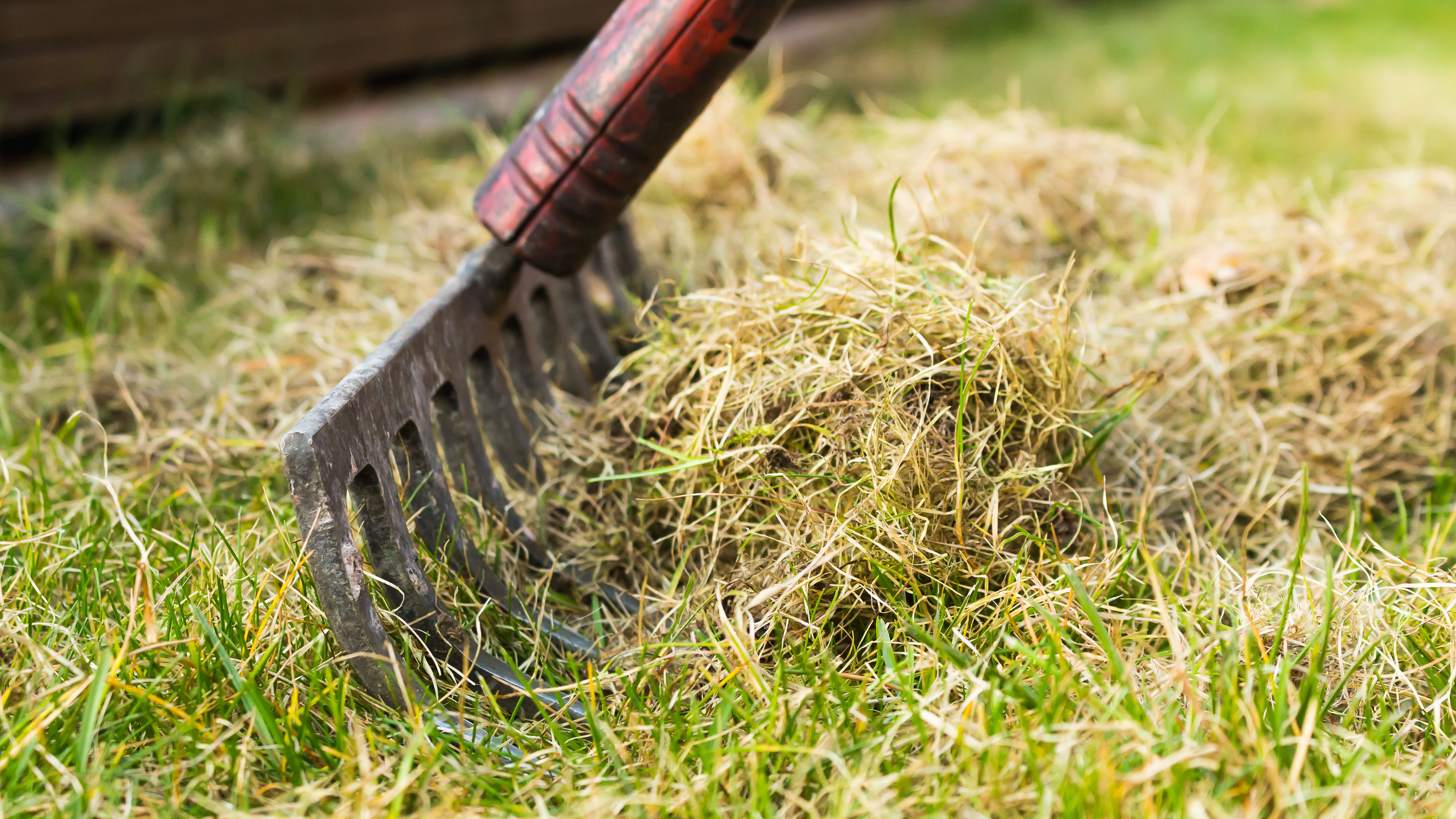
Most lawns recover on their own once grass starts actively growing in spring, but you can speed the process. After the soil thaws completely, rake out dead, matted grass from damaged patches — but wait until the ground is no longer frozen to avoid causing additional damage.
Apply a light nitrogen fertilizer to affected areas in early spring to encourage new growth. An organic fertilizer works well to avoid over-fertilization. If large bare patches remain after cleanup, overseed them promptly before weeds move in.
For severe recurring problems, consider replacing damaged areas with grass varieties less susceptible to snow mold, such as Kentucky bluegrass or fine fescues. These are more resistant to snow mold than other common grass types.
Prevent snow mold next fall
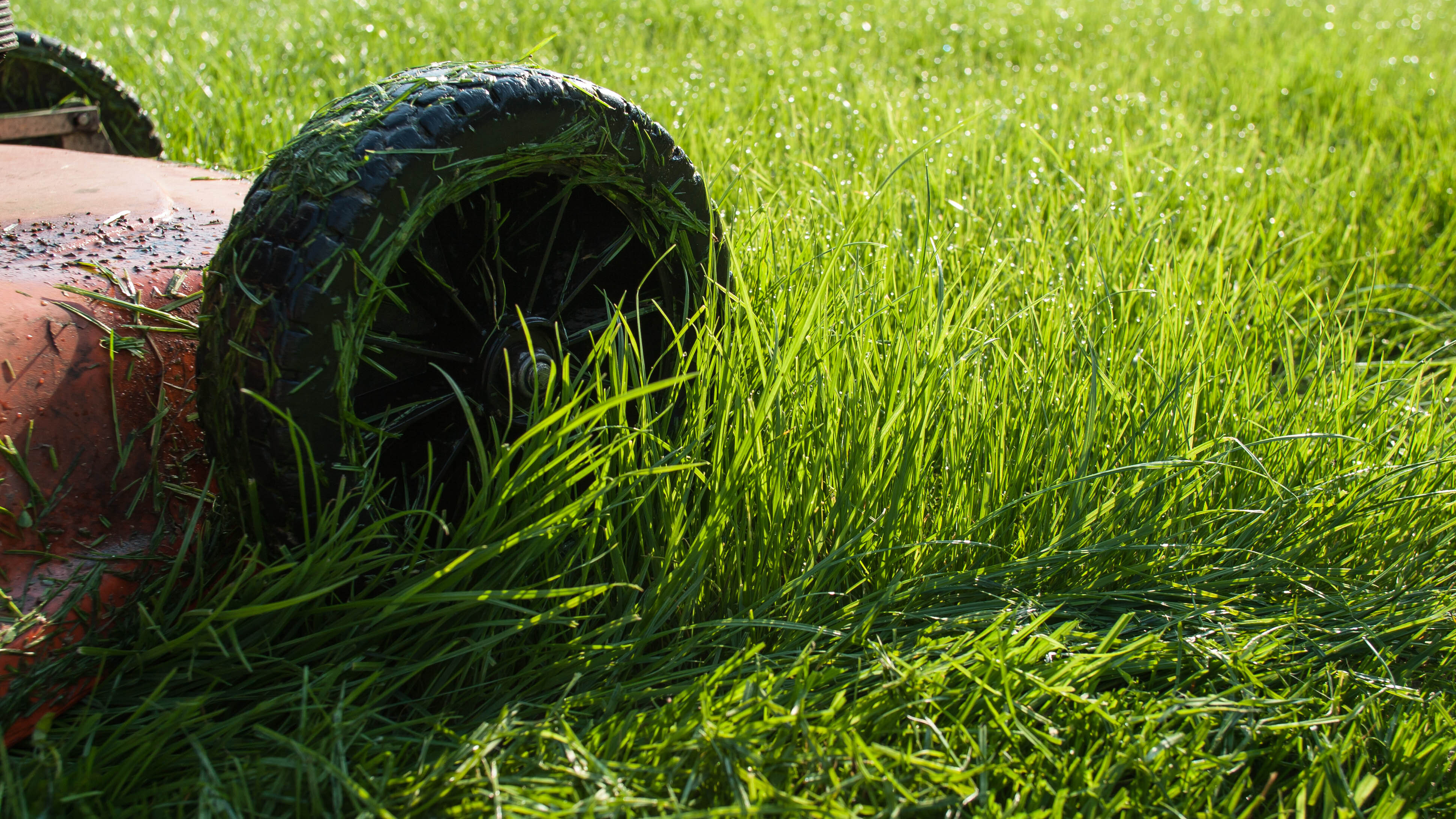
While it's too late for prevention this winter, here's what to do next fall to avoid snow mold entirely:
Cut your grass short (2 to 2.5 inches) at the final mowing of the season. Long grass that gets compressed under snow creates an ideal breeding ground for snow mold fungi.
Rake fallen leaves off your lawn throughout autumn rather than letting them pile up. Leaves trapped under snow create additional moisture that encourages fungal growth.
Go easy on nitrogen fertilizer in fall. Excess nitrogen stimulates lush growth that's more susceptible to snow mold. Use a low-nitrogen, slow-release formula if you must fertilize, or skip it entirely.

Follow Tom's Guide on Google News and add us as a preferred source to get our up-to-date news, analysis, and reviews in your feeds. Make sure to click the Follow button!