
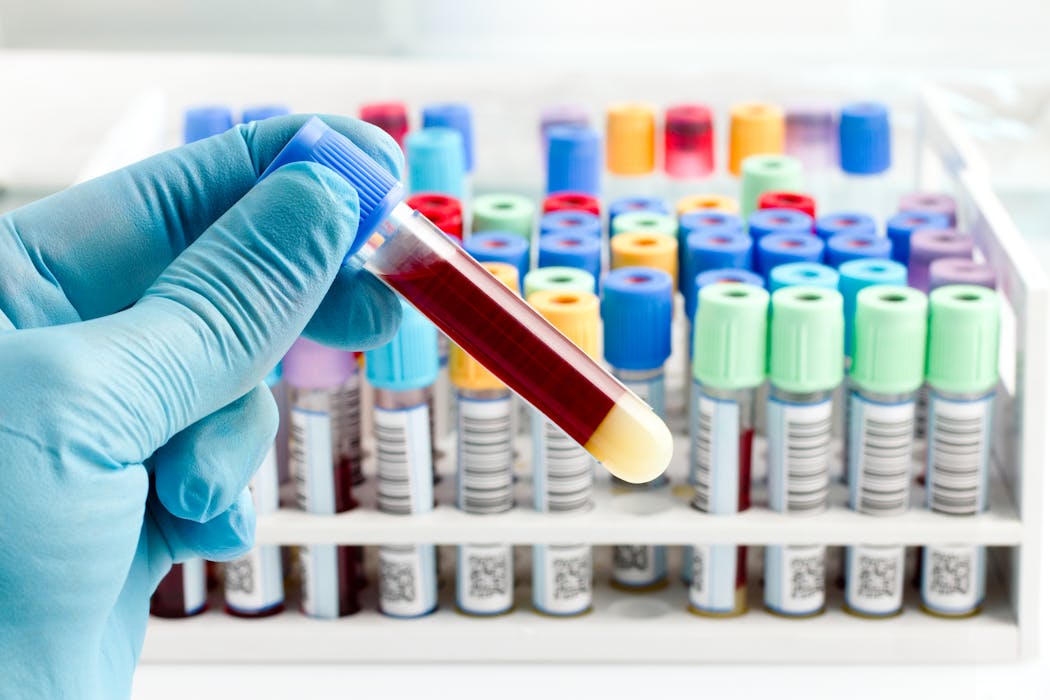
Imagine if a simple blood test could offer a glimpse into your future health. Not just whether you have heart disease or cancer today, but whether your overall risk of dying in the next five or ten years is higher or lower than expected.
It is the kind of idea that has hovered on the edges of medicine for decades, appearing in headlines every time a new biomarker is discovered. In practice, though, predicting long-term health has remained frustratingly imprecise. Doctors still rely heavily on age, weight, smoking history and a handful of routine blood tests, most of which provide only broad, population-level estimates.














