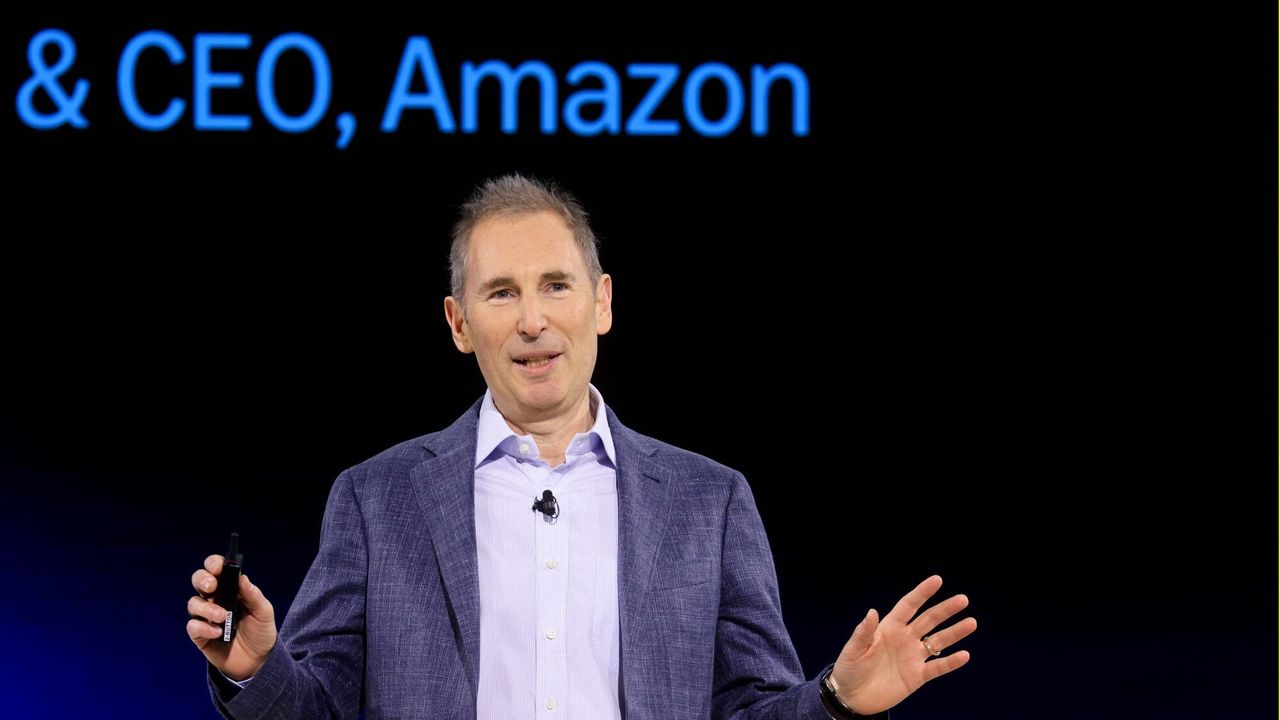
Tariffs were the economic bogeyman of 2025, and the effects of President Trump's import taxes are still being felt as we get deeper into 2026. Amazon's CEO, Andy Jassy, admitted as much in a conversation with CNBC during the annual Davos economic summit.
Amazon and third-party sellers the company works with pre-bought huge amounts of stock to avoid the tariffs, but that stock began running low this past fall. "I think you’re starting to see more of that impact," Jassy said.

Because Amazon works with a variety of sellers, how those vendors have handled the tariffs means that prices are going up due to "tariff creep."
"Some sellers are deciding that they’re passing on those higher costs to consumers in the form of higher prices,” he added. “Some are deciding they’ll absorb it to drive demand. Some are doing something in between.”
We investigated over 200 products on Amazon in April, just before the President's first round of tariffs went to affect. We found that most products before the tariffs were seeing significant discounts. However, once the tariffs went into effect, a multitude of companies announced price hikes. You can see a year-to-year increase in graphs like the ones from the research firm Dataweave.
After that initial wave of taxes, the Trump administration lessened the tax percentage, but Jassy warns that consumers, despite being resilient, are facing a strain.
“Amazon’s consumers overall, I think, have fared well, but we’ll have to see what happens in 2026,” he said.
RAM affecting high-end devices

Jassy was mostly discussing everyday items and a lack of spending on higher-end products, which are facing a separate pricing crisis.
The ongoing memory shortage, which we've dubbed RAMageddon, is causing component prices for PC parts and phones to shoot up, meaning laptops, phones and other memory-intensive devices are getting more expensive this year.
Jassy said that Amazon is trying to keep prices as low as it can.
"We're going to do everything we can to work with our selling partners to make prices as low as possible for consumers," he told CNBC. "But you don't have endless options."

Follow Tom's Guide on Google News and add us as a preferred source to get our up-to-date news, analysis, and reviews in your feeds.