
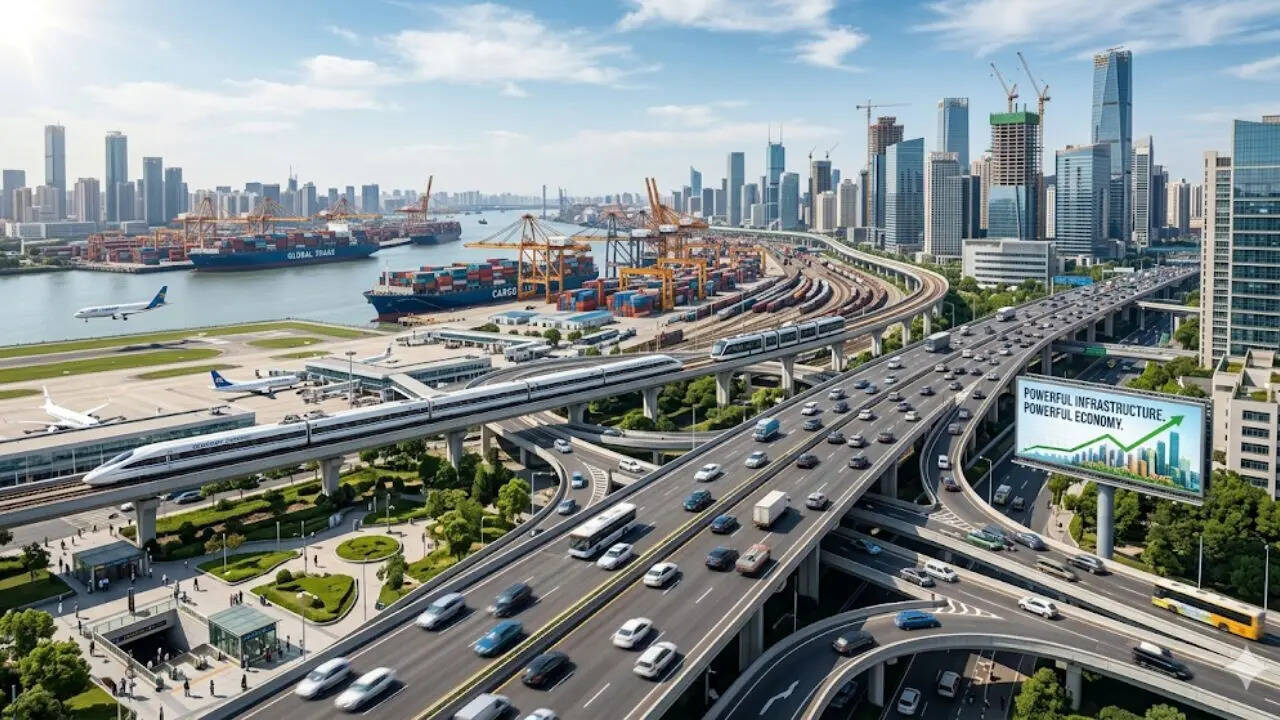
Economic rankings rarely stay still for long. A country can spend decades climbing steadily through manufacturing, technology and trade, only to slow once population growth weakens or industries begin shifting elsewhere. By the end of this decade, the global balance is expected to look noticeably different from the one that shaped much of the early 2000s.
According to a report discussed by the World Economic Forum , several emerging economies are projected to move higher in global GDP rankings by 2030, while some long-established industrial powers may slip a few places despite remaining economically influential. Much of that change is tied to population size, urban expansion, productivity growth, and rising domestic consumption. Asia continues to dominate the conversation, though North America and parts of Europe are still expected to retain enormous financial and political weight. Economic power rarely stays fixed. By 2030, rising populations, expanding industries and stronger consumer markets are expected to push several emerging economics higher in global GDP rankings, while some established powers may decline slightly. Asia is projected to lead much of this shift, though Western economies will remain globally influential.













