
Get all your news in one place.
100's of premium titles.
One app.
Start reading
Motor1
Motor1
Sport
Chad Swiatecki

Woman Trades Her Toyota For GMC Before Florida Road Trip. Then It Breaks Down—Then Her Bank Calls About That Trade

There are plenty of reasons to replace an aging car. Avoiding a breakdown on a long family road trip is certainly a sensible reason. Trading a high-mileage family vehicle for a newer SUV seemed like the responsible move for one mom who quickly learned that good intentions can go bad in a hurry.

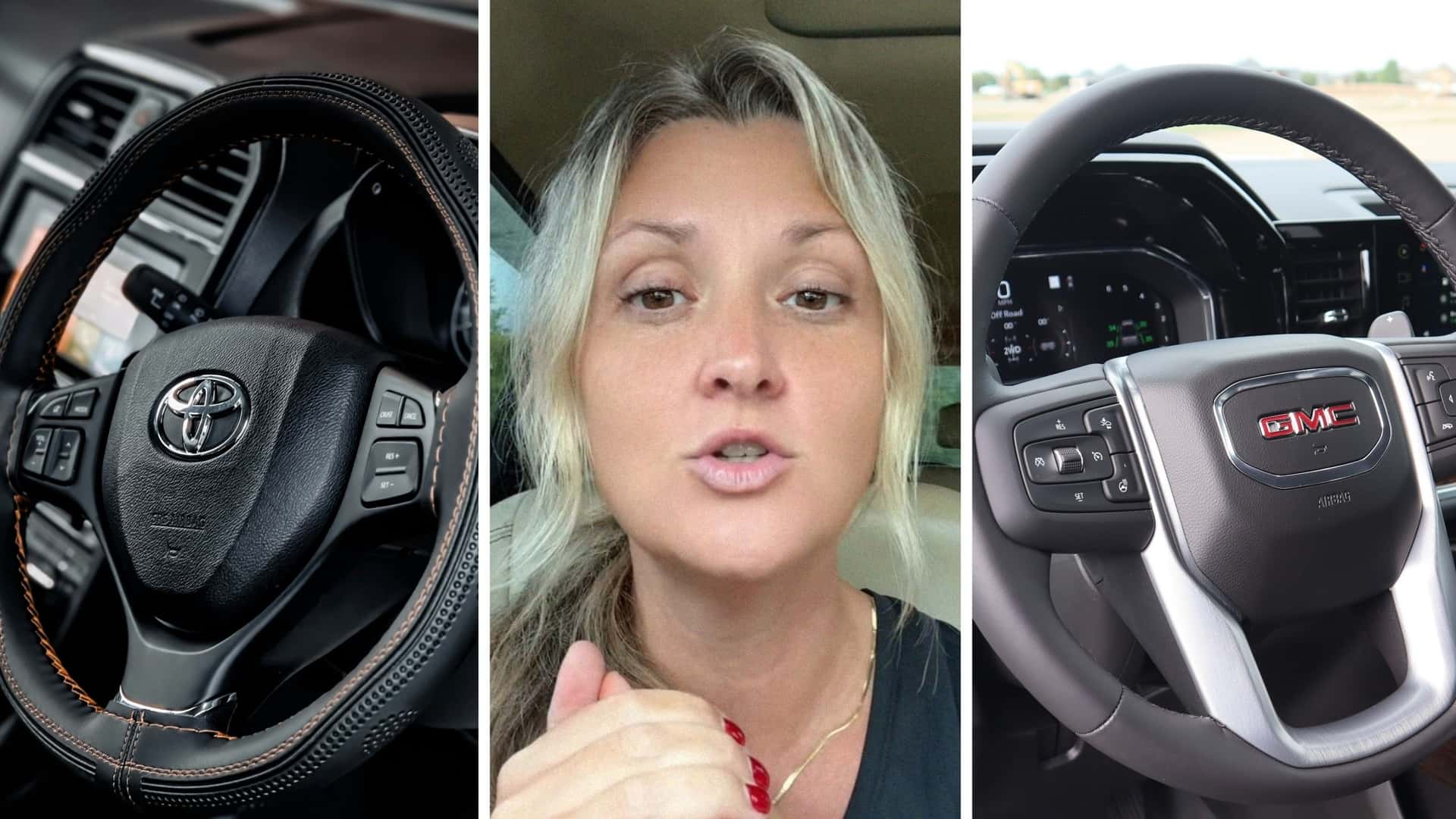
North Carolina creator Kelly Parker (@kellyparker86) wasn’t itching to say goodbye to her loyal Toyota Highlander. But she explains in a recent video how a looming family trip to Florida made it seem like trading the 240,000-mile hauler for a newer SUV was a smart move before hitting the road.

“She had a lot of miles on her, and I was worried that she could either break down on us or, you know, anything can happen. And I didn't want to be stranded with three kids,” she said in the clip that’s been viewed more than 16,000 times.

Trade-In Regrets Hit Quick

Parker’s old vehicle was a 2016 Toyota Highlander, and despite its age and mileage, she says it had treated her well. The replacement was a 2023 GMC Yukon SLT that felt like a major upgrade almost immediately.

She signed over the Toyota’s title, transferred the insurance, and headed for Florida. The Yukon handled the eight-hour drive without trouble, and for a while, the decision looked exactly like what she had hoped it would be.

“It was luxury. Loved it,” she said. “I mean, who doesn’t love a Yukon?”

That feeling didn’t last through the return trip.

Parker says the SUV started making a whining noise as the family headed home. She immediately knew something was off. Her Highlander had never made a similar sound, and neither had her husband’s GMC Sierra.

The noise was concerning enough that Parker called the dealership, which introduced a new wrinkle she hadn’t considered.

She said she was told to contact her bank because the financing still needed to be verified. Because Parker had bought the Yukon on a Saturday and then left for a five-day trip, she said the credit union had never completed its final purchase verification with her.

When she finally got someone on the phone, Parker mentioned that the Yukon was already making a strange noise, which led her to learn that she had the option to cancel the transaction.

Since she’d already signed paperwork, surrendered the title to her Toyota and driven hundreds of miles in the Yukon, that was a surprising thing to hear. But it also gave her a way out on a purchase that now seemed cursed.

Untangling the deal wasn’t easy. Parker said the dealership had already sent her Highlander to auction, while the Yukon went to service for what she was told was a significant mechanical problem. She ultimately declined to complete the Yukon purchase and eventually got her Toyota back despite initial claims it had been sold at auction.

Safety Nets For Bad Buys

Parker suspects the dealership knew the Yukon had a problem before selling it, though she offered no evidence to that effect. And one commenter made a fair counterpoint: even a used vehicle that passes an inspection can break down shortly afterward.

“Used vehicles can pass inspection and still have a failure,” he wrote.

The nixed deal raises important questions for used-car buyers about what they should verify before driving away, and what options they have if trouble surfaces almost immediately.

The best protection starts before the keys change hands. The Federal Trade Commission recommends getting an independent mechanical inspection on a used vehicle, even if the dealer says it has already inspected or certified the car.

A vehicle history report can reveal crashes, flood damage, or title issues, but it usually won’t identify developing mechanical problems.

Buyers should also read the federally required Buyers Guide, which spells out whether the vehicle is being sold “as is” or with a warranty and what repair obligations the dealer is taking on. The FTC also advises getting any promises in writing and checking the dealer’s return policy before signing; federal law does not give buyers an automatic three-day right to return a car.

Lastly, make sure the financing is actually final. The Consumer Financial Protection Bureau warns that some dealers use “spot delivery” or conditional financing, allowing a buyer to take the vehicle before the lender has fully approved the loan. That sales-quickening shortcut can leave the deal open to renegotiation later.

Motor1 reached out to Parker via direct message and comment on the clip. We’ll update this if she responds.

Sign up to read this article
Read news from 100's of titles, curated specifically for you.
Already a member? Sign in here
Related Stories
Top stories on inkl right now
One subscription that gives you access to news from hundreds of sites
Already a member? Sign in here
Our Picks
Fourteen days free
Download the app
One app. One membership.
100+ trusted global sources.