
Get all your news in one place.
100's of premium titles.
One app.
Start reading
Motor1
Motor1
Business
Mustafa Gatollari

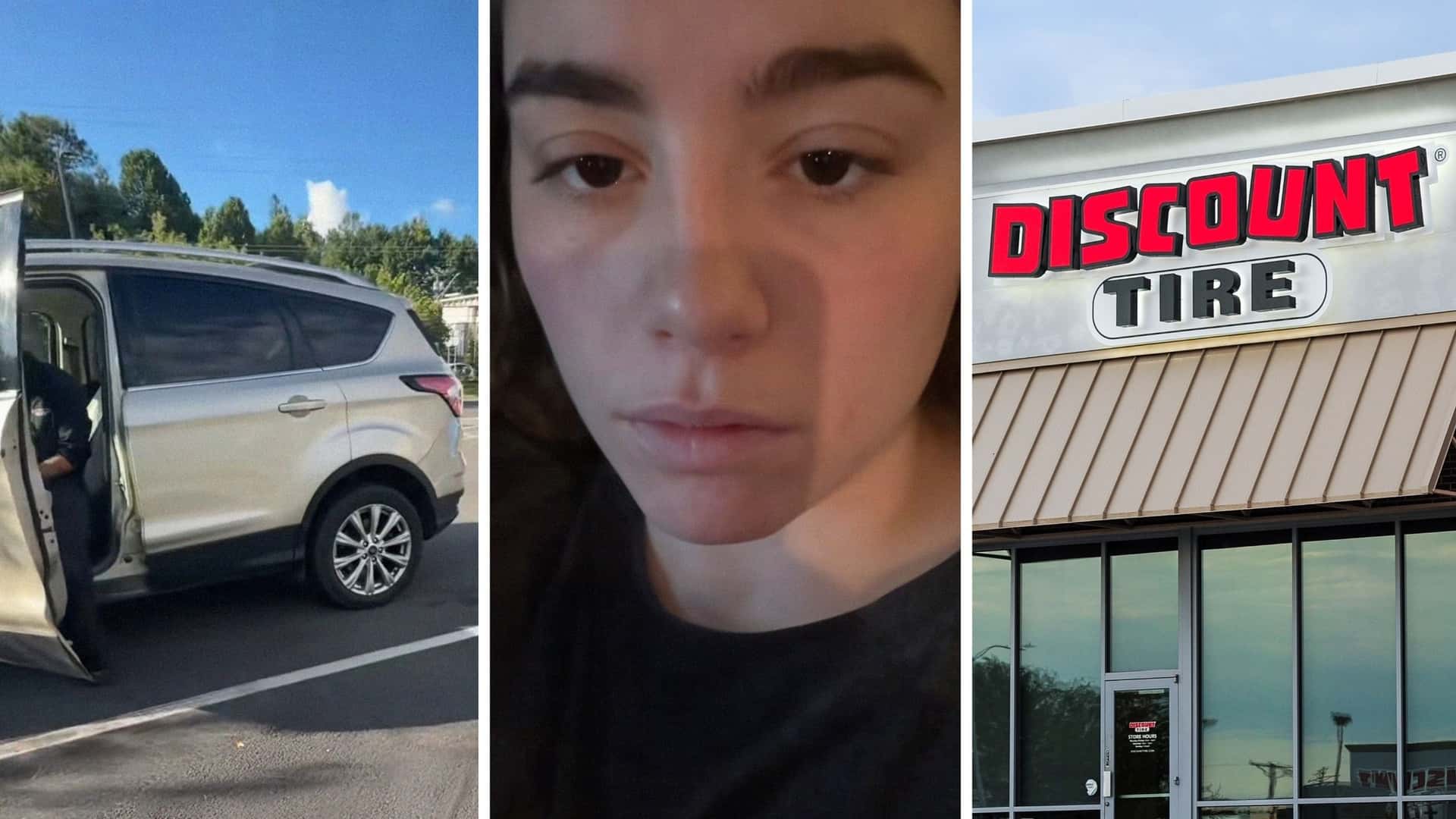
Woman Goes To Discount Tire. Then She Finds Out What They Want To Do To Her Car: ‘I’m Being Conned’

A Discount Tire customer was worried reps at the shop were trying to hoodwink her into paying for tire pressure monitoring system (TPMS) sensors.

Hailey Doyle (@the.furniture) published a video asking others online if TPMS units actually fail or if someone at the shop was just trying to get her to fork over extra cash.

In a text overlay of her video, she shares her dilemma: “Ok guys, is replacing a tire sensor a real thing or are they just scamming me?”

Next, her video cuts to footage of the Ford Escape's interior dash, which displays a flashing tire pressure sensor light.

In a caption for the post, she added, “I feel like I’m being conned into buying breaker fluid but the man at Discount Tire told me he can’t get the sensor to go away. Even though I just bought 4 new tires here because my sensor might’ve gone bad?”

Yes, Tire Pressure Monitor Sensors Can Fail

If your car is outfitted with TPMS sensors, yes, they most certainly can fail. There are several reasons as to why this is the case. According to equipment manufacturer DENSO Products, dead batteries are a prime culprit for the collapse of a TPMS sensor. The business goes on to state that typically, these batteries last anywhere from five to 10 years or roughly 100,000 miles.

However, fixing this problem isn’t as simple as swapping out a pair of AAAs in your remote control. You’ll need to replace the entire sensor unit to get your TPMS displaying proper data on your car’s dashboard.

Another big cause of TPMS units going bad is, believe it or not, everyday driving. Striking potholes, hitting road hazards, or striking curbs could result in one of your sensors going bad, leaving you with a warning light on your car’s dash that spoils an otherwise pristine view.

Furthermore, the issue could be entirely electrical. If your car’s 12-volt battery pack isn’t holding a charge, it could result in an erroneous TPMS light. Driving around on flat tires may also cause these pressure-monitoring sensors to wear out.

Gallery: 2017 Ford Escape: First Drive

How To Replace Your TPMS Sensor

This YouTuber posted a short clip demonstrating exactly how you can go about replacing your TPMS sensor yourself. The good news: you won’t need to completely separate the tire from its rim. But you will need a car jack to lift your ride up off the ground.

Upon doing so, remove your tire from the rim and deflate it. Afterward, lay it flat on the ground and slightly separate it from the rim as depicted in the clip. The service tech in the video uses a slab of wood to keep the tire pried open so he can access the TPMS module.

Following this, he unscrews a bolt fastening the valve stems of the TPMS component, which allows him to completely remove it from the rim. Then, he swaps in the new sensor and then places the tire on top of the piece of wood, still laying it flat.

After ensuring the tire is sealed and secured to the rim, he then inflates it. Upon ensuring there are no leaks, the mechanic is prepared to mount the tire to the vehicle. If installed correctly, and if there aren’t any other faulty sensors, the TPMS light should be removed from your dashboard, and your TPMS modules should be working properly.

Replace All Of Them At Once

If you’re hesitant to perform this work yourself, then you could always get your tire shop to mount them for you. It’s probably a good practice to get all of the TPMS sensors replaced if you’re going this route.

Depending on your brand of vehicle, they can vary in price. This aftermarket CARORAV TPMS Sensor 4-pack on Amazon, which works for select GM vehicles, costs around $36.

You could also head on over to eBay to find sensors. This seller listed a 4-pack of sensors for Toyota/Lexus models for $44.99. The good news is that manufacturers will often utilize the same types of tire pressure monitoring sensors for multiple models throughout their range of vehicles, which makes availability for your specific car less of a hassle to find.

If you have new sensors installed and are still seeing a dashboard light, you may have to ensure they’re calibrated properly. Each vehicle has its own protocol for doing so, but there is often a TPMS button situated on a console or steering column you’ll have to hold down. Upon doing so, it’ll usually blink twice. After around 30 minutes or so of driving between speeds of 30 and 60 mph, the TPMS modules should be calibrated.

Motor1 has reached out to Doyle via TikTok direct message for further information. We will update this story if she responds.

Sign up to read this article
Read news from 100's of titles, curated specifically for you.
Already a member? Sign in here
Related Stories
Top stories on inkl right now
One subscription that gives you access to news from hundreds of sites
Already a member? Sign in here
Our Picks
Fourteen days free
Download the app
One app. One membership.
100+ trusted global sources.