
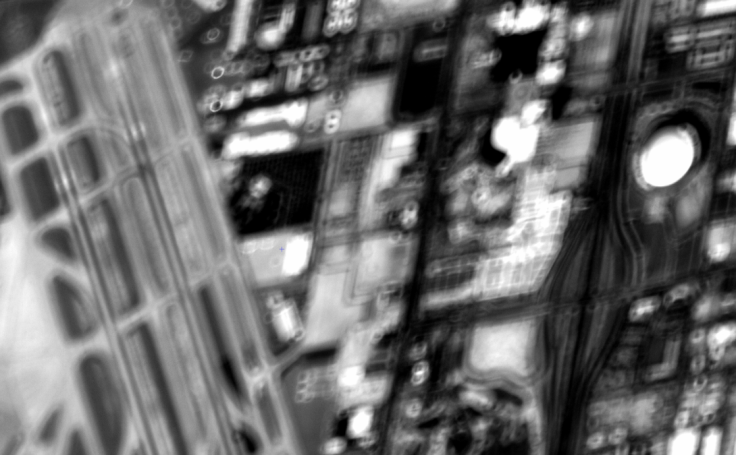
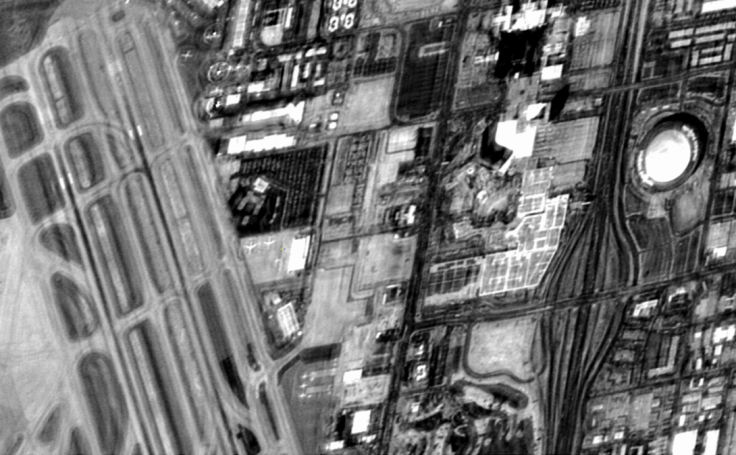
As the space industry accelerates its shift toward small, affordable satellites known as CubeSats, it's running into a major snag: data quality. These pint-sized spacecraft, often deployed by startups, universities, or developing nations, promise to democratize access to Earth Observation (EO). But more often than not, their promise is grounded in technical setbacks, most notably, corrupted or blurry imagery that makes the data unusable.
"Imagine spending hundreds of thousands of dollars to launch a satellite, only to receive imagery where you can't even recognize a plane sitting on a runway," says Wolfgang Lück, Managing Director of EOIntelligence. "That's what's happening. And in most cases, the data gets written off, which means the satellite is written off."














