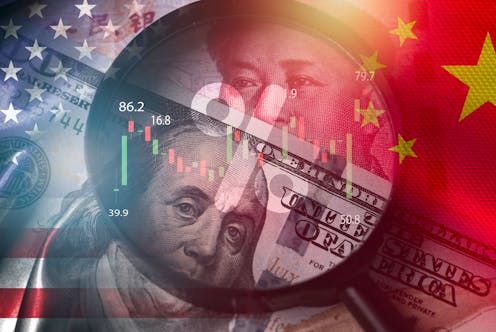
For a superpower like the US, free trade is, in practice, an invitation to partake in its wealth. But it also implies an obligation, including political support (or at least non-opposition) and an expectation that the poorer nation will give back part of its new riches by buying the superpower’s high-tech exports and debt. This, in essence, is the system that has worked wonders for the US for nearly 75 years.
From 1978, the People’s Republic of China signalled its acceptance of this invitation with “economic free zones” in several of its provinces, which began to open up the Chinese economy to the outside world. It was an extraordinary moment, when former enemies the US and China willingly chose a new path focused on trade.