Get all your news in one place.
100’s of premium titles.
One app.
Start reading
Frugal Gardening
Frugal Gardening
Teri Monroe

Why Some Bulbs Fail if Planted Too Late in Fall

Image Source: 123rf.com

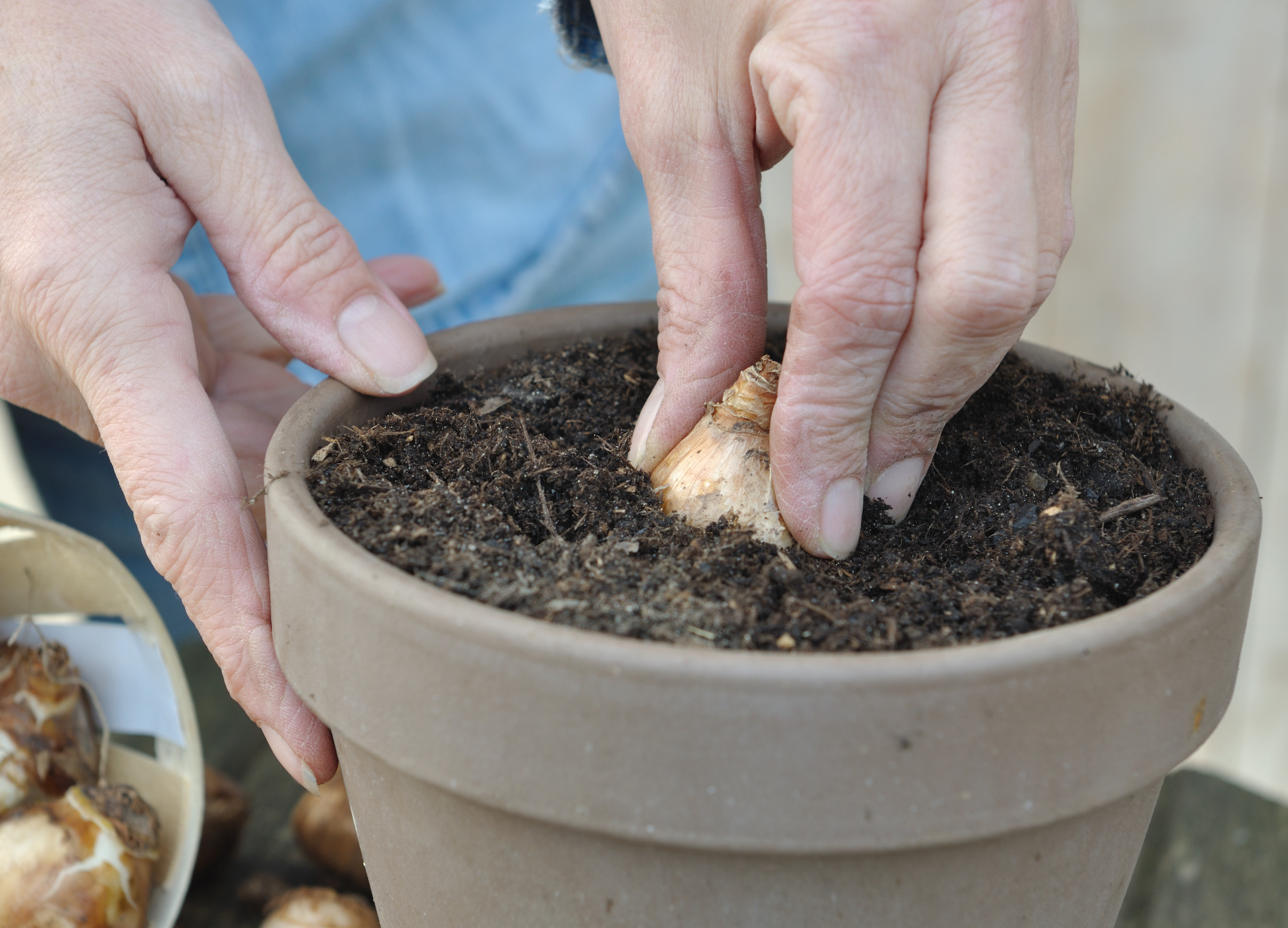
As the leaves start to fall, fall bulb planting promises a burst of color come spring. But timing is everything. If the air is getting crisp, you may be running out of time. Many gardeners assume they can plant bulbs right up until the ground freezes, but late planting often dooms bulbs before they ever bloom. Cold, soggy soil, insufficient root time, and unpredictable weather can sabotage even high-quality bulbs. So, what do bulbs actually need? Here we’ll discuss how to successfully plant your bulbs and when to do it.

Bulbs Need Time to Root Before Deep Frost

Flowering bulbs like tulips, daffodils, and crocuses rely on strong root systems to survive winter. If planted too close to the first hard freeze, roots don’t have time to anchor and absorb nutrients. Without established roots, bulbs rot or freeze in place. Most varieties need four to six weeks of soil temperatures consistently above 40°F to settle in. If you plant too late, you may be setting your bulbs up to freeze in the cold.

Soil Temperature Matters More Than the Calendar

Many gardeners focus on dates, but soil temperature is imperative. Every year, seasonal temperatures can change. Bulbs thrive when soil cools to around 50°F, signaling dormancy without risking frost damage. Checking with a simple soil thermometer helps time planting precisely. When soil stays below 40°F, bulb metabolism slows.

Wet Soil Is Trouble

Late fall often brings heavy rains that saturate the ground. Excess moisture suffocates bulbs and invites fungal rot before roots can develop. Once temperatures drop, waterlogged soil freezes solids. This can crush your bulbs. Raised beds, amended soil, and proper drainage give bulbs their best shot. Planting early lets them establish before the worst weather hits.

Some Varieties Handle Cold Better Than Others

Not all bulbs are equally sensitive to late planting. Hardy options like daffodils and alliums tolerate cooler soil, while tulips, hyacinths, and crocuses need more prep time. Pay attention to your region and temperatures. Matching bulb type to local climate ensures survival.

The Dormancy Cycle Gets Disrupted

Bulbs need a specific chilling period to trigger spring blooms. Late planting can shorten that dormancy window, delaying or canceling flowering. Instead of sprouting, some may stay dormant entirely. Even if they emerge, blooms may be weak or uneven. The root stage powers next season’s growth.

How to Save Late Bulbs

If you missed the window, don’t toss bulbs yet. Container planting offers a second chance: place bulbs in pots with well-draining soil, then store them in an unheated garage or shed. Once roots form, transplant in early spring when soil thaws. Alternatively, refrigerate bulbs for 10–12 weeks to mimic winter chill, then plant for a later bloom.

Planting on Time Pays Off in Color

Gardeners who plan ahead enjoy fuller, earlier blooms and fewer losses. Late planting often leads to patchy results. By prioritizing soil readiness over the calendar, you’ll give every bulb a fair shot at glory. Nature rewards preparation more than procrastination.

Have you ever planted bulbs too late and seen disappointing results? Share your experience or favorite planting tips below!

You May Also Like…

The post Why Some Bulbs Fail if Planted Too Late in Fall appeared first on Frugal Gardening.

Sign up to read this article
Read news from 100’s of titles, curated specifically for you.
Already a member? Sign in here
Related Stories
Top stories on inkl right now
One subscription that gives you access to news from hundreds of sites
Already a member? Sign in here
Our Picks
Fourteen days free
Download the app
One app. One membership.
100+ trusted global sources.