
There’s a certain kind of optimism that hits when you drop seeds into soil later in the season—like you’re beating the system, sneaking in one last chance at garden glory. The sun is warm, the days still feel long, and the soil practically whispers, “Go ahead, plant something.”
But then, within weeks, that hope turns into disappointment as the seedlings flop over, shrivel up, or fail to grow at all. It feels like nature has betrayed you, but really, there are scientific, environmental, and sometimes downright sneaky reasons behind these late-season failures.
If you’ve ever wondered why late plantings seem cursed, pay attention because the answers are fascinating, frustrating, and incredibly useful.
Heat Stress Hits Hard
When seedlings are planted late in the season, they’re often greeted by temperatures that are far harsher than what tender sprouts can handle. Young roots struggle to absorb water quickly enough to support rapid growth in hot soil, leading to dehydration and weak stems. Heat also accelerates evaporation, so even well-watered soil can dry out in a matter of hours, leaving seedlings gasping for moisture. With each stressful day, the seedlings redirect energy from growth to survival, slowing their progress dramatically. What looks like laziness is actually desperation in disguise.
Shortened Daylight Slows Growth
Even when late plantings occur during warm months, the daylight hours are often already on the decline. Seedlings depend on long, consistent sunlight to power the photosynthesis needed for strong growth and root development. When light becomes scarce—or arrives at a weaker angle—seedlings grow leggy, pale, and unstable. These conditions make them more prone to disease and wind damage because their stems haven’t thickened properly. With less energy coming in, they simply can’t build the sturdy structure they need to thrive.
Soil Nutrients Are Often Depleted
Early-season plantings enjoy the full buffet of nutrients available in spring soil, but late plantings? They’re often left with the scraps. After months of supporting other plants, the summer soil can be depleted of essential nutrients like nitrogen, phosphorus, and potassium. Without replenishment, seedlings lack the fuel needed to kick-start growth and establish healthy root systems. Even worse, late-season rains—or watering habits—can leach remaining nutrients deeper into the soil where young roots can’t reach. It’s like handing a marathon runner an empty water bottle and wishing them good luck.
Pests And Diseases Intensify
By late season, pests are not only abundant—they’re hungry and experienced. Aphids, beetles, and caterpillars are in full swing, and nothing excites them more than tender new seedlings with soft, vulnerable leaves. At the same time, diseases like damping-off, mildew, and fungal infections thrive in warm, humid conditions that late planting often brings. Young plants simply haven’t built up the resilience or thickness in their leaves and stems needed to withstand these attacks. What starts as a small nibble or spot can quickly escalate into a full-blown seedling collapse.
Roots Don’t Have Enough Time To Establish
Roots are the foundation of healthy plants, but establishing a strong root system takes time—something late plantings simply don’t have. As the season winds down, temperatures shift, daylight shrinks, and the soil begins cooling faster than the surface shows. Roots respond by slowing their growth dramatically, even if the top of the plant seems energetic. Without deep, stable roots, seedlings can’t access water or nutrients effectively and become more vulnerable to sudden weather changes. By the time they get a foothold, the season may already be over.
Moisture Swings Create Chaos
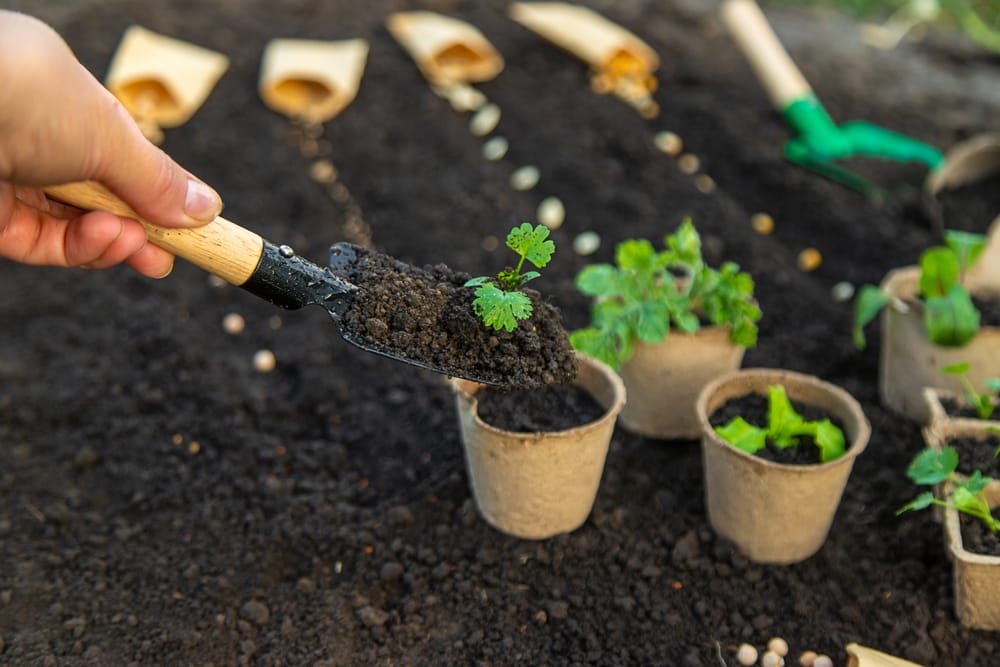
Late-season weather is notoriously inconsistent, swinging wildly between heavy rains and dry spells. Seedlings are extremely sensitive to moisture fluctuations; too much water suffocates their roots, while too little dries them out. These rapid shifts confuse the young plants, preventing them from establishing the consistent rhythm they rely on for growth. Waterlogged conditions invite root rot, while drought stresses the leaves and stems. The result is a battleground of conflicting conditions that seedlings rarely survive.
Competition From Mature Plants
By the time late plantings occur, nearby plants—whether crops or weeds—are already well established and territorial. Mature plants have extensive root systems that absorb water and nutrients far more efficiently than young seedlings ever could. Seedlings are left fighting for scraps, and most don’t stand a chance in this underground tug-of-war. Above ground, tall plants cast shade, blocking essential sunlight during critical early growth. It’s an unfair fight from the start, and seedlings often lose before they even begin.
Temperature Swings Cause Shock
Late-season temperatures can shift dramatically from day to night, especially as summer transitions into fall. Seedlings are delicate and don’t yet have the adaptations necessary to handle rapid cooling or sudden heat spikes. These extremes cause cellular stress that slows growth and increases vulnerability to disease. Even if the daytime temperatures seem perfect, nighttime chills can undo all the progress made during the day. With repeated shocks, the seedlings simply run out of energy.
Germination Rates Drop Significantly
Many seeds have specific temperature ranges required for germination, and late-season soil often falls outside those ideal conditions. When soil is too hot, enzymes break down improperly; when it’s too cool, metabolism slows to a crawl. Seeds may sprout unevenly, weakly, or not at all, leading to patchy plantings that never quite take off. Even those that do germinate often emerge slower and weaker compared to spring plantings. A rough start usually means a rough finish.
Humidity Creates Invisible Problems
Late plantings often coincide with high humidity, especially in regions with warm evenings and heavy dew. Excess moisture on leaves and soil surfaces creates a breeding ground for fungal diseases that target vulnerable seedlings. Humidity can also interfere with transpiration, preventing the plant from regulating its internal water balance effectively. This leads to drooping, yellowing, or wilting, even when the soil moisture seems perfect. With these hidden pressures stacking up, seedlings fail before gardeners even realize what’s happening.
Your Late-Season Seedlings Deserve A Fighting Chance
Late-season planting is exciting, ambitious, and sometimes downright unpredictable. While the challenges can seem overwhelming, understanding the reasons seedlings struggle helps you make smarter choices for future plantings. From heat stress to nutrient shortages, every factor plays a role in whether young plants thrive or fail.
Now that you know what’s working against your seedlings, what planting battles have you faced? Share your late-season success stories, disasters, and lessons learned in the comments below.
You May Also Like…
- 11 Seeds to Store in Paper Bags This Fall
- 8 Seedlings That Transplant Better in Cool Weather
- 7 Soil Tests That Give the Best Results in Fall
- Collect These Seeds Now — You’ll Thank Yourself in April
- How To Get Free Seeds From The Government
The post Why Seedlings Fail in Late Plantings appeared first on Frugal Gardening.