After 16 years under conservative Angela Merkel, Germany gained new leadership late last year. Following a “climate election” that saw the issue surpass COVID-19 as voters’ top concern, Europe’s largest economy is now ruled by a progressive three-party “Alliance for Freedom, Justice and Sustainability” comprising Social Democrats, Greens and Liberals.
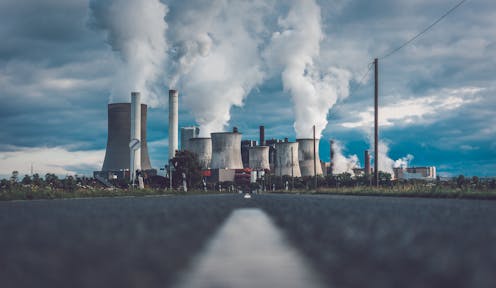
This is the first time the Greens have shared power since 1998-2005, years that saw the acceleration of the “Energiewende” (energy transition), a trailblazing project that has stalled over the past decade. With the party’s co-leaders heading both the foreign ministry and a new economy and climate “super ministry”, many expect Germany to step up efforts to once again lead on climate change and turbocharge the national Energiewende.