For much of the 20th century, luxury was something you could point to. A watch on a wrist, a car in a driveway, a label on a garment. Wealth announced itself through objects, and the accumulation of those objects was taken, broadly, as evidence of a life well lived.
That logic has been quietly unravelling for years. The shift has been gradual but consistent, and by now it is unmistakable: across the world's most influential consumer markets, the definition of luxury has moved away from ownership and toward experience. What people want, increasingly, is not something they can hold but something they can remember.
This is not simply a generational preference, though that has played its part. It reflects something more fundamental about what people value once they feel they have enough things. The question shifts from what to acquire to what to feel, what to witness and where to be when it matters most.
The industries that understood this early, travel and luxury hospitality in particular, have spent the past decade reshaping themselves around that insight. The ones still catching up are finding that the consumer has moved on without them.
Celebrations as Travel Experiences
Nowhere is this cultural shift more visible than in the way people are choosing to mark the defining moments of their lives.
The traditional wedding, for decades a relatively fixed template of ceremony, reception hall and tiered cake, has given way to something far more considered. Couples are now approaching their weddings less as social obligations and more as curated experiences, designed as much for the guests as for themselves.
Where the Ceremony Becomes the Destination
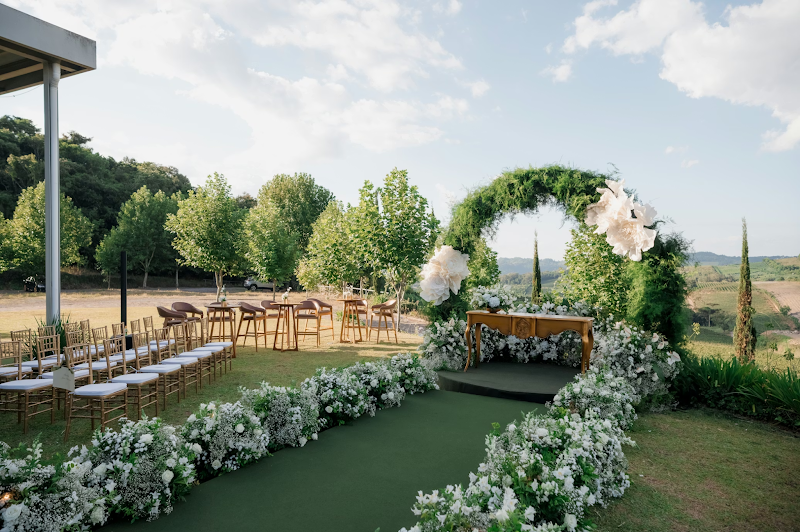
Location has become central to the meaning of the event. Vineyards, mountain estates, coastal properties and historic country houses are no longer considered alternatives to conventional venues. They are the preferred choice for couples who understand that where something happens shapes how it will be remembered.
Australia has emerged as a compelling destination for this kind of thinking. The country's natural landscape and the calibre of its regional hospitality have made it a serious competitor in the global destination wedding conversation.
Couples from interstate and abroad are increasingly seeking out wedding venues Victoria that offer not just a ceremony space but a complete experience: vineyard landscapes, luxury accommodation and food that reflects the character of the region. The venue is no longer the backdrop; it is, in many respects, the entire point.
This shift matters as much for guests as for the couple. When a wedding requires travel, when it takes place somewhere genuinely beautiful and unfamiliar, the gathering becomes a shared journey rather than simply an occasion. Guests arrive not just to witness a ceremony but to spend time together in a place they might never have visited independently.
The experience begins before the ceremony and extends well beyond it. Long weekends, pre-wedding dinners in private cellars and mornings spent walking through estate grounds have replaced the single afternoon reception as the shape of the modern celebration. The event has become an immersion.
This approach also changes the emotional register of the day itself. When guests have traveled to be somewhere and have invested time in arriving, the quality of attention in the room is different. People are more present and more connected to what is happening around them.
The Rise of Experience-Driven Living
The destination wedding is one expression of a much broader cultural movement. Across travel, hospitality and lifestyle, there is a decisive shift toward experiences that carry meaning, weight and genuine discovery.
Research from multiple sources in the luxury and hospitality sectors consistently shows that high-net-worth individuals are increasing their spending on travel and experiences while moderating their consumption of luxury goods. This is not austerity. It is reallocation toward moments that cannot be replicated or replaced.
Slow travel has emerged as one of the defining luxury philosophies of the decade. Rather than covering ground, the emphasis has shifted toward going deep. Spending several weeks in one region rather than scattering days across multiple countries. Studying a cuisine in the kitchen of a local family. Building a genuine relationship with a place rather than simply passing through it.
The appetite for cultural immersion has also reshaped what people expect from hospitality. A well-appointed room with a view is no longer the benchmark. Guests increasingly expect curated programming, access to local communities and experiences that could not be reproduced at home or found through standard itineraries.
The concept of return has also changed. Travellers are no longer measuring a journey by the number of places visited. They are measuring it by the depth of what they encountered and whether the experience gave them something they genuinely carry forward.
Tailor-Made Journeys for the Modern Traveller
The End of the Standard Itinerary
The packaged tour, for decades the dominant format of international travel, has fallen out of favour with a growing segment of the market. Not because group travel has no value, but because the predetermined itinerary no longer satisfies travellers who have become sophisticated about what they want from time away.
The alternative is not simply independent travel booked online. It is the kind of deeply considered, individually constructed journey that accounts for temperament, pace and genuine curiosity. Travellers who once defaulted to standard packages are now working with specialists to construct itineraries shaped around specific interests.
That might mean a week in a regional ceramics workshop in rural Japan. It might mean a private wildlife safari guided by a conservation scientist or a carefully sequenced series of dinners with small-production winemakers across a single valley. The shape of the journey reflects the person who is taking it.
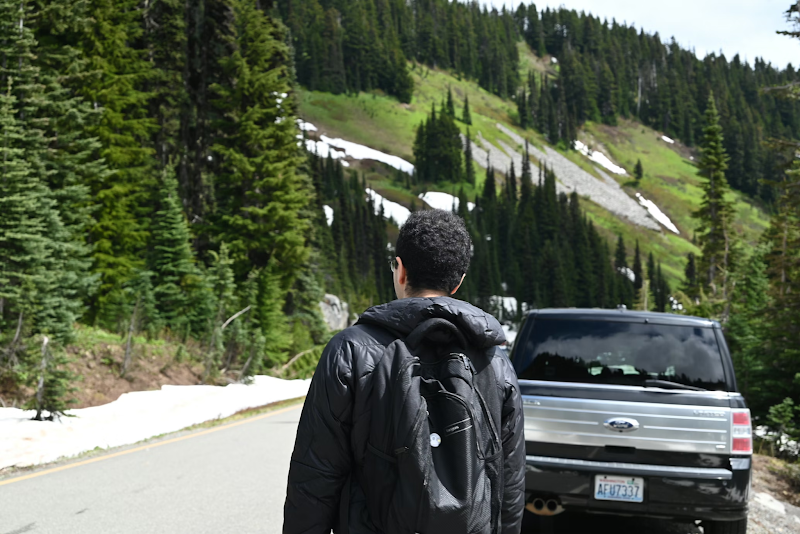
This is the territory occupied by bespoke luxury travel experiences, where the planning process itself carries value and where the journey is designed around the traveller rather than the other way around. The distinction sounds subtle but the difference in the actual experience is profound.
Exclusive access has become one of the most valued elements in this space. Arriving at a site before it opens to the public, sharing a meal with someone who would not ordinarily host a visitor, travelling through a region that most tourists never reach. These are the details that make a journey feel genuinely rare rather than merely expensive.
Immersive travel also demands a different relationship with time. The impulse to maximise coverage and photograph every landmark has given way to fewer commitments, longer stays and a willingness to let the experience set its own pace. This is travel as a form of living rather than a form of consumption.
What the Future of Luxury Looks Like
The redefinition of luxury as experiential rather than material is not a passing phase. It reflects a durable shift in how people relate to their own lives and what they are trying to build with them.
Younger affluent consumers have largely grown up watching previous generations accumulate possessions, and many have concluded that accumulation alone does not produce the quality of satisfaction they are looking for. The aspiration has shifted toward depth of experience, richness of connection and the particular pleasure of having been somewhere and felt something real.
Celebrations will continue to move in this direction. Weddings will be planned with the care once reserved for major milestones of a different kind. Family gatherings will be designed around shared journeys in unfamiliar places. The occasion and the destination will become the same thing.
As ongoing coverage of global travel trends makes clear, the destinations and experiences drawing the most sustained attention are consistently those defined by scarcity, authenticity and the sense that something genuinely irreplaceable is being offered.
The future of luxury is personal, unhurried and deeply tied to place. It is the wedding in the vineyard that guests still mention at another gathering a decade later. It is the journey that quietly changes not just where you went but how you think about going.
What people want, in the end, is not simply to have more. It is to have been there, fully present and without distraction, when something worth remembering was happening.