What if every name of Lord Hanuman carried a different lesson about courage, devotion and strength?
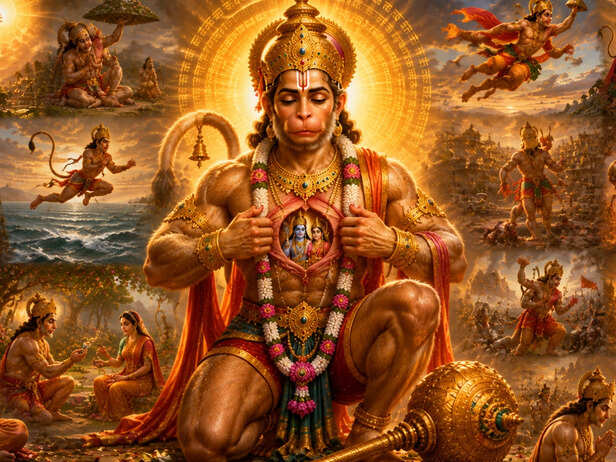
Hanuman Ji is remembered as the devoted servant of Lord Rama, but his story represents much more than physical power. He is associated with wisdom, discipline, fearlessness, humility and unwavering faith. This is why devotees have traditionally recited his many sacred names during prayer and meditation.

Among them, the 108 names of Hanuman Ji hold a special place. Each name highlights a particular quality, divine attribute or episode associated with him. From Vayuputra, the son of the Wind God, to Ramaduta, the messenger of Lord Rama, these names create a powerful picture of Hanuman's character.
Why Hanuman Has So Many Names
A deity's different names in Hindu traditions often describe particular qualities, relationships, actions or spiritual attributes. Hanuman's names similarly reveal different dimensions of his character. Mahabala represents immense strength, Pragna reflects wisdom, while Bhaktavatsala expresses compassion toward devotees. Some names connect him to Lord Rama, while others recall his extraordinary deeds during the Ramayana. Looking at the meanings makes the prayer more personal because each name can become a reminder of a quality worth developing in everyday life.
Names That Represent Courage
Names such as Mahaveera, Dheera, Shoora, Amitavikrama and Vajrakaya highlight Hanuman's courage and immense strength. His leap across the ocean and his journey into Lanka are among the best-known examples of this fearlessness. But the deeper message is not simply about physical power. Hanuman's courage was connected to purpose. He did not display strength for personal glory. His abilities were placed in the service of Rama and the mission of rescuing Sita. That combination of courage and humility is what makes these names especially meaningful.
Names That Celebrate Devotion
Some of Hanuman's most beloved names directly express his devotion. Ramabhakta means a devotee of Rama, while Ramaduta refers to him as Rama's messenger. Rameshta describes his deep connection with Rama, and Ramapadabja-Sevaka reflects service at Rama's feet. These names show that Hanuman's greatness was never separated from devotion. His extraordinary abilities became meaningful because he used them selflessly. For devotees, these names can therefore serve as reminders that strength becomes more valuable when it is guided by love, loyalty and a sense of responsibility.
Names Linked to His Greatest Deeds
Several names recall extraordinary events from Hanuman's story. Udadhi-Kramana refers to the one who crossed the ocean, while Sita-Shoka-Vinashaka describes the one who relieved Sita's sorrow. Lankapurividayaka is associated with the burning of Lanka, and Sanjeevananagahartre recalls his role in bringing the Sanjeevani-bearing mountain. These names transform the chant into a journey through the Ramayana. Each one connects devotion with action, showing how Hanuman repeatedly used his abilities when others needed help.
Names That Reflect Wisdom
Hanuman is not remembered only as a powerful warrior. Names such as Vidyavaridhi, meaning an ocean of knowledge, Pragna, associated with wisdom, and Mantrajna, referring to knowledge of mantras, highlight his intellectual and spiritual qualities. This balance is important because raw strength without wisdom can become destructive. Hanuman's story repeatedly shows intelligence guiding his actions. He knew when to become powerful, when to remain humble and when to communicate carefully. His names therefore present strength and knowledge as qualities that should work together rather than stand apart.
Names for Protection and Fearlessness
Names such as Sarvabhitidaya, associated with removing fear, Sharanyaya, meaning protector or refuge, and Bhaktavatsala, expressing compassion toward devotees, highlight another important aspect of Hanuman's character. For many devotees, chanting these names becomes a personal prayer during difficult periods. The practice can also create a quiet moment to pause, breathe and reconnect with faith. Rather than treating the names as magical guarantees, devotees may reflect on the qualities they represent: courage during uncertainty, discipline during pressure and faith when circumstances feel overwhelming.
108 Names as a Daily Reflection
The 108 names can be approached slowly rather than treated as something to finish quickly. A devotee may choose a quiet time, recite each name with attention and reflect on its meaning. Mahabala can inspire inner strength, Satyavache can remind us of truthful speech, Niyata can represent discipline, and Shuchaye can encourage purity of thought and action. The practice becomes more meaningful when the words are understood. Even a few minutes of focused chanting can create space for reflection in a busy day.
The 108 Names of Hanuman Ji
Below is the traditional-style list provided in the source material, with their commonly given meanings:
Hanumate – The one with a strong jaw
Mahaveeraya – The great warrior
Hanumadrudatmakaya – The soul of Hanuman
Anjanisutaya – Son of Anjani
Vayuputraya – Son of the Wind God
Mahabalaaya – One with immense strength
Ramabhaktaaya – Devotee of Lord Rama
Phalgunasakhaya – Friend of Arjuna
Pingakshaya – One with reddish-brown eyes
Amitavikramaaya – Of immeasurable valour
Udadhi-Kramanaya – One who crossed the ocean
Sita-Shoka-Vinashakaya – Remover of Sita's sorrow
Lakshmanapranadata – Reviver of Lakshman
Vajrakayaya – One with a thunderbolt-like body
Mahadyutaye – Full of brilliance
Chiranjeevine – The immortal one
Ramadutaya – Messenger of Lord Rama
Dantaaya – Calm and disciplined
Shantaya – Peaceful
Prasannatmane – Cheerful soul
Shatakantamardanaya – Destroyer of demons
Lankineebhanjanaya – Slayer of Lanka's guardian
Shrimate – Honoured one
Simhikapramathanaya – Slayer of Simhika
Gandhamadana-Shailasthaya – Resident of Gandhamadana
Lankapurividayakaya – One who burnt Lanka
Sugrivasachivaya – Minister of Sugriva
Dheeraya – Courageous
Shooryaya – Brave
Dakshinmukhaya – South-facing
Kanchanabhaaya – Golden-hued
Bheemaya – Mighty
Raktamukhaya – Red-faced
Pitambaraya – Wearing yellow garments
Varadayakaya – Giver of boons
Vidyavaridhaye – Ocean of knowledge
Vanchitaphaladayakaya – Granter of wishes
Satyavache – Truthful speaker
Satyasankalpaya – Firm in resolve
Kapishresthaya – Best among Vanaras
Mahatapase – Great ascetic
Ramabhaktaya – Devoted to Rama
Pragnaya – Wise
Ramakathashravanalolupaya – One who loves listening to Rama's stories
Sita-Sameta-Shriramapadasevadharaya – Servant of Sita-Rama
Vitaragaya – Detached from worldly desires
Priyaya – Beloved
Mahakaraya – One of giant form
Pratapavate – Glorious
Shrutimataya – Learned
Sumanoharaya – Attractive
Tejasvine – Radiant
Baladakshaya – Strong and capable
Satvavate – Energetic
Mantrajnaaya – Knower of mantras
Karanapoorakaya – Adorned ears
Bhaktavatsalaya – Protector of devotees
Sanjeevananagahartre – Bringer of Sanjeevani
Shuchaye – Pure
Vagmine – Eloquent
Dridavratae – Firm in vows
Maharshe – Great sage
Niyataya – Disciplined
Prabhave – Powerful
Gunateetaya – Beyond qualities
Gunine – Virtuous
Atmane – The soul
Bhaktavasyaya – Controlled by devotion
Mahanidhaye – Treasure of virtues
Sarvagaya – Omnipresent
Parvatavide – Knower of mountains
Kumarabrahmacharine – Celibate youth
Ratnakundaladharine – Wearing jeweled earrings
Chanchaladvalasannaddhaya – Wearing a fluttering scarf
Gandharvavidyalolupaya – Interested in the arts
Mahakayay – Huge-bodied
Tapanaya – Tormentor of enemies
Rudraveeryasamudbhavaya – Born of Shiva's power
Indrajitvadhaay – Slayer of Indrajit
Vibhishanapriyakaraya – Dear to Vibhishana
Dashagreevashirashchedine – Destroyer of Ravana
Shrutideepitavikramaya – Famous for valour
Karagrahevimochakaya – Liberator from bondage
Sagarottarankaya – Crosser of the ocean
Pragjnaya – Enlightened
Ramapadabja-Sevakaya – Servant of Rama's feet
Sarvalokasukhapradaaya – Giver of happiness
Sarvabhitidaya – Remover of fear
Paramatmavide – Knower of the Supreme
Parasmai – Supreme being
Satyasatyaparakramaya – Truly powerful
Yatinamparamadaaya – Goal of ascetics
Yoginamparamagatiye – Refuge of yogis
Ramakatharasasiktaya – Immersed in Rama's stories
Janamangalakarakaya – Bringer of good fortune
Doshanivarakaya – Remover of faults
Vataatmajaya – Son of the Wind
Pavanasutaya – Son of Air
Mahakshayaya – Great-bodied
Rameshtaya – Beloved of Rama
Kundalino – Awakened one
Ashokavanikachhetre – Visitor of Ashok Vatika
Sarvamayavibhanjanaya – Destroyer of illusion
Paravidyaparamparaya – Master of higher knowledge
Balarkasadrashananaya – Face like the rising sun
Vidayunmuktabandhanaya – Free from bondage
Sharanyaraya – Protector
Bhaktavatsalaya – Kind to devotees
The Deeper Meaning of the 108 Names
The power of these names lies not only in reciting them but also in understanding what they represent. Hanuman can be seen as strength without arrogance, knowledge without pride, courage without cruelty and devotion without selfishness. That combination makes his character especially meaningful in modern life. When people face uncertainty, pressure or fear, the story of Hanuman offers a reminder that inner strength does not always mean having no fear. Sometimes it means continuing with faith and discipline despite fear.
Unlock insightful tips and inspiration on personal growth, productivity, and well-being. Stay motivated and updated with the latest at My Life XP.