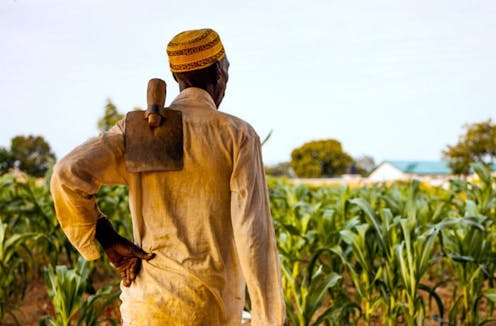
Ghana is one of the few countries often praised for achieving impressive reductions in hunger. The 2022 Global Hunger Index report reveals Ghana’s hunger score has declined by more than 50 percent since the year 2000. At the Crans Montana Forum held in November 2022, where critical issues of global food security are discussed, some of the panellists, including representatives from Ghana, credited the country’s flagship School Feeding Programme and Planting for Food and Jobs initiative for the compelling impacts on hunger reduction. These initiatives were recommended as ideal for replication in other West African states. But what these commenders failed to emphasise is the uneven geography of hunger beyond the national statistics.
According to the World Food Programme’s 2020 comprehensive food security and vulnerability analysis, an estimated 11.7% of Ghanaians are food insecure. Further analysis shows some regions boast fewer malnourished and hungry populations, while others have more than the national average. The northern part of Ghana has the highest prevalence of food insecurity, at 23-49%, compared to 4-10% in the southernmost regions. This regional disparity and staggeringly skewed evidence of hunger in the northern part of Ghana raises profound questions; and thus represent an important part of my doctoral research, which broadly focuses on climate risks and food insecurity in northern Ghana.