Get all your news in one place.
100's of premium titles.
One app.
Start reading
Tom’s Guide
Tom’s Guide
Technology
Camilla Sharman

Why does mold keep coming back? It turns out it’s not just about how well I clean

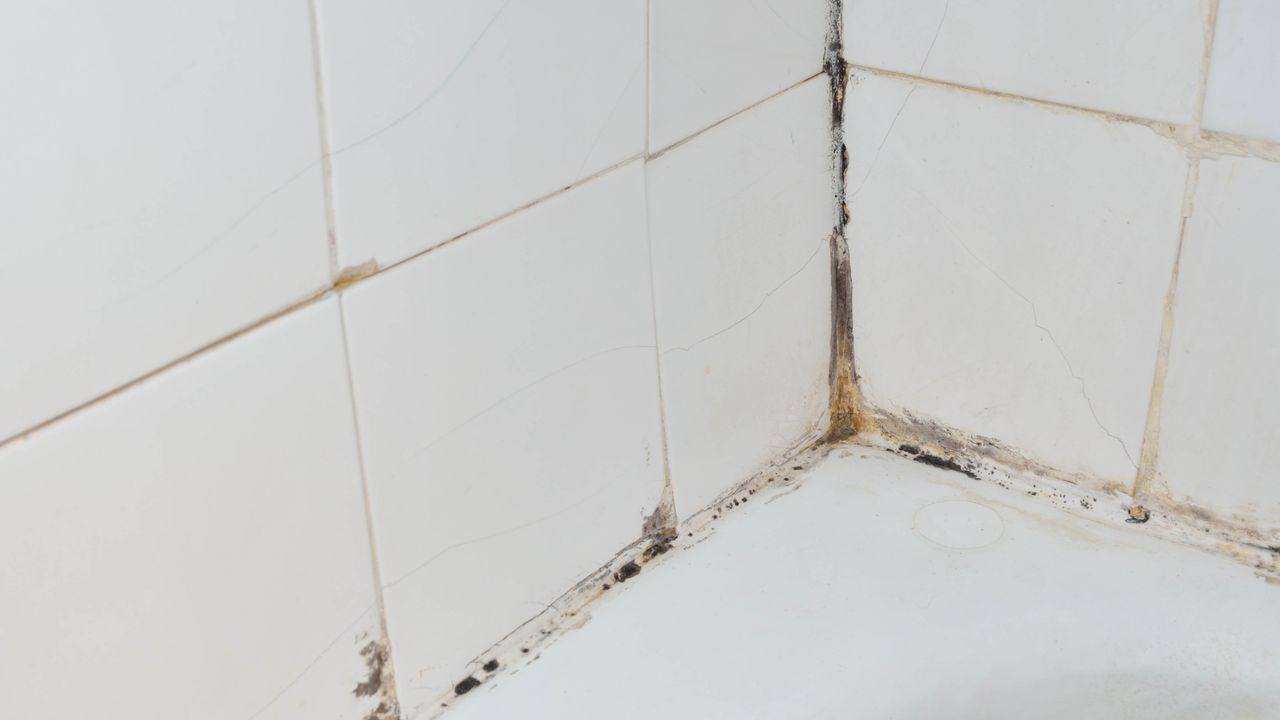
Mold in the grouting of tiles.

No matter how hard I try to remove mold from my home, it keeps coming back. Despite my efforts to properly clean mold, I can’t break the recurring cycle of unsightly black stains that appear in my bathroom.

Beyond the aesthetic — nothing ruins the look of a pristine bathroom more than patches of black mold — there’s the health worry. I don’t want my home to become a breeding ground for spores that can trigger allergic reactions and respiratory issues. While I consider my home clean, the mold always lets it down.

Black mold has a particular habit of creeping around bathroom grout and sealant, and I can’t stop it from coming back. So, to help me with my mold plight, I called on the indoor air, cleaning and plumbing experts to explain why mold keeps recurring.

It appears that, apart from addressing the root cause, the environment is the biggest factor in mold growth.

Understanding what mold needs to grow

(Image credit: Shutterstock)

To get a grip on mold it helps to understand how mold grows. “Mold spores exist in virtually every type of indoor environment at all times. They float through the air and settle onto surfaces continuously,” explains Isabella Flores, cleaning expert and professional organizer at Sparkly Maid San Diego.

But although we can’t remove mold completely from our homes, we can reduce what it needs to grow. Russell Vent, VP of Paul Davis Restoration, explains that there needs to be mold spores, oxygen, a food source (such as wood, drywall, or carpet), and moisture.

Although you can’t eradicate all mold spores from an indoor environment, you can control whether those spores have the conditions necessary to germinate and produce colonies.

Mold will begin developing on wet surfaces within 24-48 hours of being exposed to adequate moisture and optimal temperature conditions

Isabella Flores, Sparkly Maid, san Diego

And they both agree that the easiest element to control is moisture. “Mold will begin developing on wet surfaces within 24-48 hours of being exposed to adequate moisture and optimal temperature conditions,” says Flores.

And she adds, “There does not need to be a significant amount of moisture (e.g., a flood or major leak) for mold development to occur. All that is required is a relative humidity greater than 60% over a period of time (or humidity levels exceeding 70%) to support growth.”

Why mold keeps coming back

Mold spores (Image credit: Shutterstock)

Get to the root of the problem

“In order to get rid of mold, you have to treat it like a weed,” says Michael Rubino, founder at HomeCleanse, “You have to remove the entire growth, including the roots.”

In order to get rid of mold, you have to treat it like a weed

Michael Rubino, HomeCleanse

He also notes that you have to consider the surface. “On porous surfaces, like drywall or cloth furniture, the roots can extend deep within the surface, meaning that abrasive techniques are required to remove the growth completely.”

So, rather than wiping the surface, or even painting over the mold, you need to remove the spores and mycotoxins, rather than opting for a quick fix. If not, Rubina explains that exposure continues and that mold has the opportunity to return.

Check for leaks and moisture levels

(Image credit: Shutterstock)

Rather than dealing with a cleaning issue, Andy Layton, founder and managing director at Hello Plumbing says, “Mold comes back because most households are treating the surface and leaving the water source completely intact behind it.”

And he adds, “Any slow leak, pipe leak, or condensation at a pipe penetration that is inside of a wall is constantly adding moisture back into the same material.”

As an example, he says, “If a wall is sitting above 70% relative humidity, it will promote the growth of mold back within two to three weeks after cleaning. And that’s exactly what happens when the source isn’t fixed.”

Water from leaky plumbing will find its way into bathroom furniture and flooring, while water from a shower will creep behind tiles through cracks in the grout or sealant.

Increase air flow

(Image credit: Shutterstock)

Apart from moisture, mold grows in areas with poor ventilation. “This is why mold grows in areas like bathrooms, laundry rooms, and even on decks,” says Alex Varela, cleaning expert at Oakville Maids.

To permanently get rid of mold, Varela says improving airflow is an important step. “If there’s no natural airflow in the rooms with mold, you can use a dehumidifier. There are smaller ones for each room if it’s just for your bathrooms, for example, or large ones if humidity is an overall issue in all rooms of your home.”

However, if you do have an exhaust fan in your rooms that produces a lot of moisture, such as your bathroom and kitchen, Flares suggests running it for 15 minutes after you've taken a shower, or completed a cooking session. This will help reduce the moisture that will fuel mold growth.

Top tip

If your HVAC has a built-in humidifier, Vent recommends checking that it is not set too high. “You want it to stay below 55% relative humidity if possible,” he explains.

If you have a basement or crawlspace, he suggests running a dehumidifier year-round and setting it to auto drain to maintain a safe humidity level.

Cleaning essentials we love

More from Tom's Guide

MR.SIGA Microfiber Cleaning Clothes, 12-pack Bamllum Rubber Kitchen Dishwashing Gloves, 4 Pairs Swiffer Duster Kit With 3 Ft Extendable Handle Scotch-Brite Zero Scratch Scrub Sponge, 6-pack
Sign up to read this article
Read news from 100's of titles, curated specifically for you.
Already a member? Sign in here
Related Stories
Top stories on inkl right now
One subscription that gives you access to news from hundreds of sites
Already a member? Sign in here
Our Picks
Fourteen days free
Download the app
One app. One membership.
100+ trusted global sources.