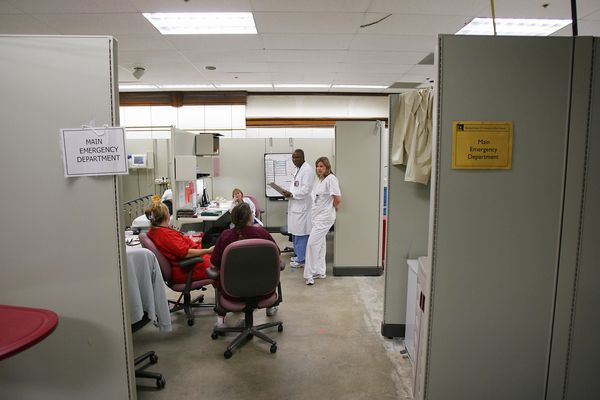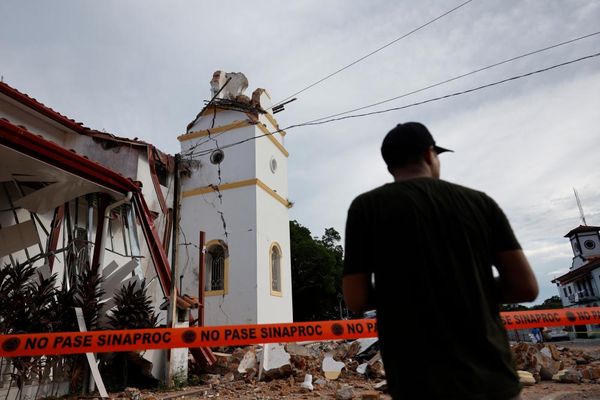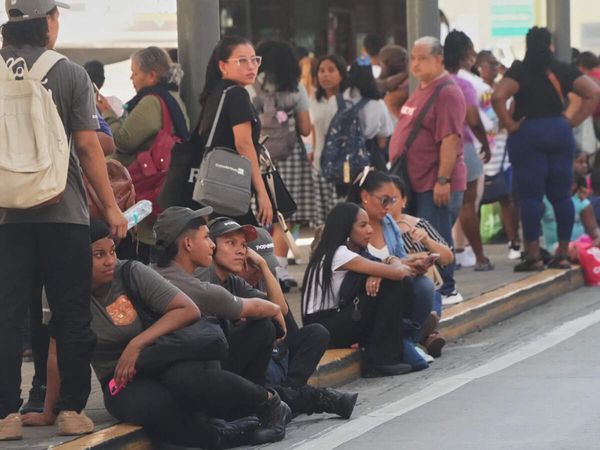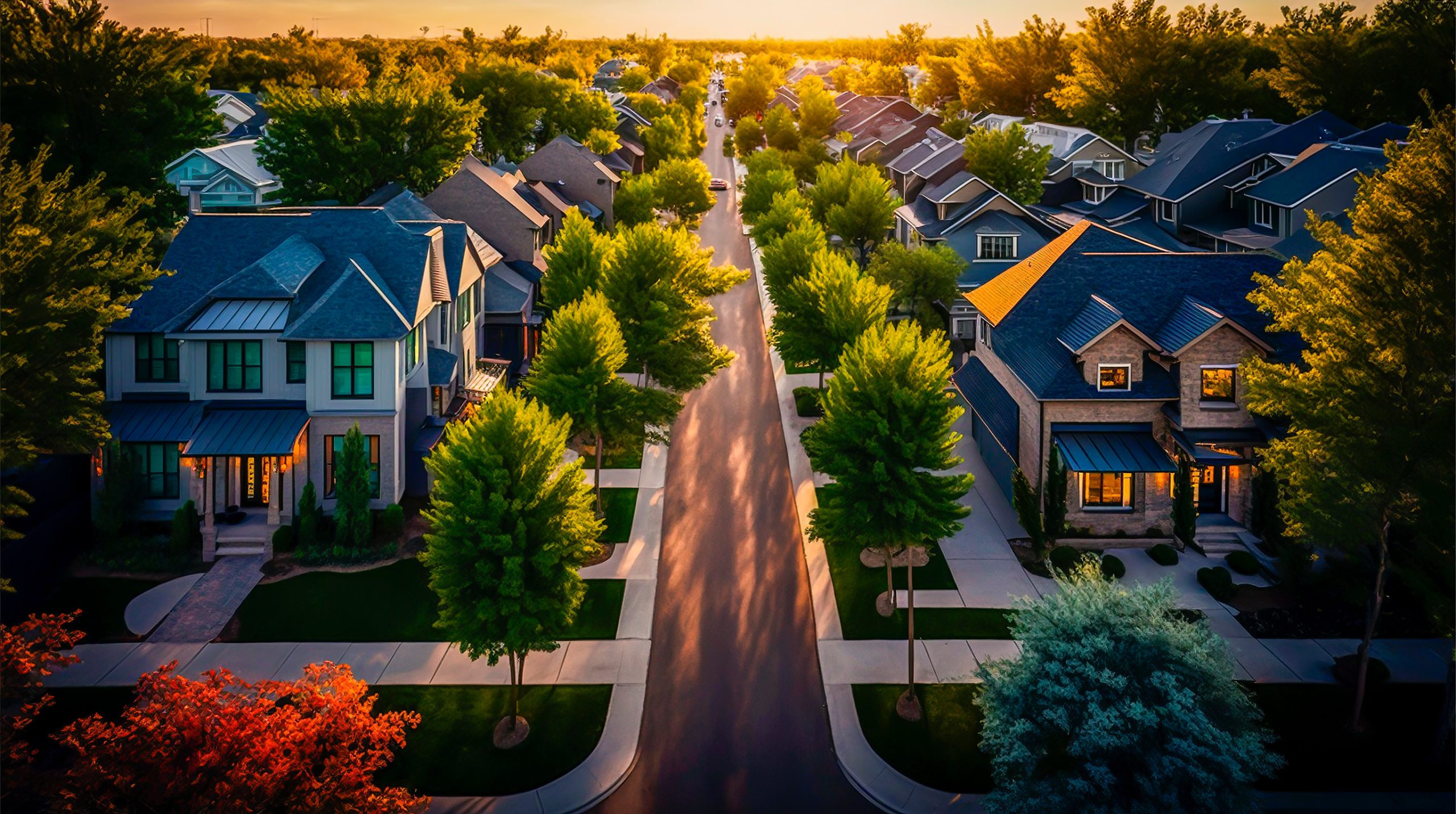
Drive through almost any city, and the contrast between neighborhoods can be striking. In wealthier areas, streets are well-paved, parks are clean, schools are modern, and services seem abundant. Just a few miles away, poorer neighborhoods often struggle with neglected infrastructure, underfunded schools, and limited public resources. Many wonder why rich neighborhoods get services poorer ones don’t, and the answer lies in a mix of funding, politics, and social influence. Understanding these factors reveals how financial inequality extends far beyond personal income and shapes entire communities.