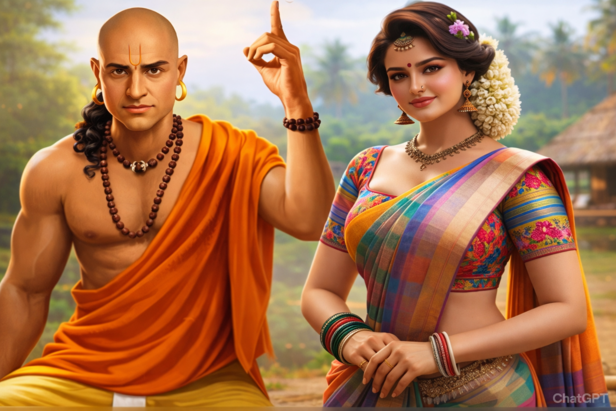
Chanakya still echoes through history as a symbol of sharp intelligence and deep observation. Known for guiding kings and shaping empires, his teachings in Chanakya Niti continue to spark debate. Among his many insights, his views on personality and physical traits often surprise modern readers. In ancient times, body language was believed to reflect inner nature. People carefully observed facial features, gestures, and posture to understand character. While these ideas were shaped by the social mindset of that era, they offer a window into how personality was interpreted centuries ago.
Neck Shape and Destiny

Chanakya observed that the neck represented stability and independence. According to ancient belief, a short neck symbolized dependence on others. A very long neck was linked to imbalance and difficulty in relationships. A flat neck was thought to reflect anger or stubborn behavior. These interpretations came from symbolic thinking common in early societies. The neck supports the head, so it was seen as a sign of support in life. Though modern science does not support such claims, this shows how deeply people connected physical form with personality in ancient India
Eyes and Emotional Nature

Eyes have always been called the mirror of the soul. Chanakya believed that yellowish eyes reflected fear and anger. Gray eyes, on the other hand, were considered signs of calm nature and kindness. In ancient psychology, eye appearance was linked with emotional control. People believed that restless or harsh eyes showed inner disturbance. Today, we understand emotions through behavior and mental health studies, not eye color. Yet this teaching reminds us how closely ancient scholars observed human expressions. Their focus was on reading subtle signals to understand personality.
Laughter and Character

Chanakya mentioned that women whose cheeks swelled while laughing were not considered trustworthy in old beliefs. In that era, controlled behavior was linked with discipline and virtue. Loud or exaggerated expressions were sometimes viewed negatively. Laughter was seen as a sign of emotional balance. If it appeared excessive, ancient thinkers connected it to impulsive behavior. Modern understanding tells us that laughter is natural and healthy. Still, this shows how social standards influenced personality judgment. Emotional expression was tightly connected with character assessment in early societies.
Hands, Teeth and Life Fortune
According to Chanakya’s observations, uneven hands or visible swollen veins were believed to indicate struggles in wealth and happiness. Long, protruding teeth were thought to symbolize sorrow in life. These beliefs came from symbolic traditions where symmetry meant harmony. Ancient communities valued balanced physical features as signs of inner balance. Teeth and hands represented action and speech, both powerful forces in society. Today, we understand that life success depends on education, opportunity, and mindset. Yet these teachings reveal how earlier generations tried to predict destiny through physical signs.
Tattoos, Ears and Household Harmony
Chanakya also spoke about tattoos of animals like crows, owls, snakes, and wolves. In ancient symbolism, these creatures were linked with cunning or danger. Women with such markings were believed to bring conflict. Hair inside ears or irregular ears were also connected with disturbance at home. These ideas reflect the cultural beliefs of that period. Symbols carried strong meanings in mythology and folklore. It is important to remember that such interpretations were shaped by social values of ancient India and should not define anyone in today’s world.
Chanakya Noticed About Women
Chanakya’s predictions, women personality signs, mythology insights, and spiritual psychology gain high interest because they mix curiosity with culture. Such discussions connect history, emotion, and self-reflection. They are widely shared because they make readers think about identity, destiny, and human nature. When reading ancient texts, the key lesson is not to judge but to understand. Wisdom grows when we learn with awareness and compassion.
Unlock insightful tips and inspiration on personal growth, productivity, and well-being. Stay motivated and updated with the latest at My Life XP.
Frequently Asked Questions (FAQs)
1. Who was Chanakya?
Chanakya was a great Indian teacher, economist, and royal advisor. He lived around the 4th century BCE and guided rulers with sharp political and social wisdom. His teachings still influence leadership and ethical discussions today.
2. What is Chanakya Niti?
Chanakya Niti is a collection of moral teachings and practical advice. It discusses politics, behavior, relationships, and social values based on the conditions of ancient India.
3. Did Chanakya really link body language to personality?
Yes, according to historical texts, Chanakya believed certain physical traits symbolically reflected inner nature. However, these ideas were shaped by the cultural beliefs of that time.
4. Should we apply these views today?
No. Modern psychology does not support judging character by physical appearance. These teachings should be understood as historical perspectives, not present-day rules.