Get all your news in one place.
100's of premium titles.
One app.
Start reading
Fortune
Fortune
Phil Wahba

Why Costco has the luxury of sitting out the delivery arms race

(Credit: Getty Images)

Costco Wholesale last week announced a new partnership with DoorDash and a major extension of its relationship with Uber, vastly expanding its same-day delivery firepower but nonetheless leaving it well behind rivals like Walmart and Amazon, which use drones for some of their fast deliveries. And that is by design.

Until now, Costco’s same-day delivery has consisted largely of teaming up with Instacart for very quick delivery, typically groceries and other essentials. (For two-day delivery, Costco typically handles shipping itself.) And while the Uber and DoorDash tie-ups give Costco much more reach, the moves also serve as a reminder that Costco’s business model and the intense, almost cult-like customer loyalty the membership-based retailer inspires mean that it doesn’t have to participate in the delivery arms race the same way its rivals do.
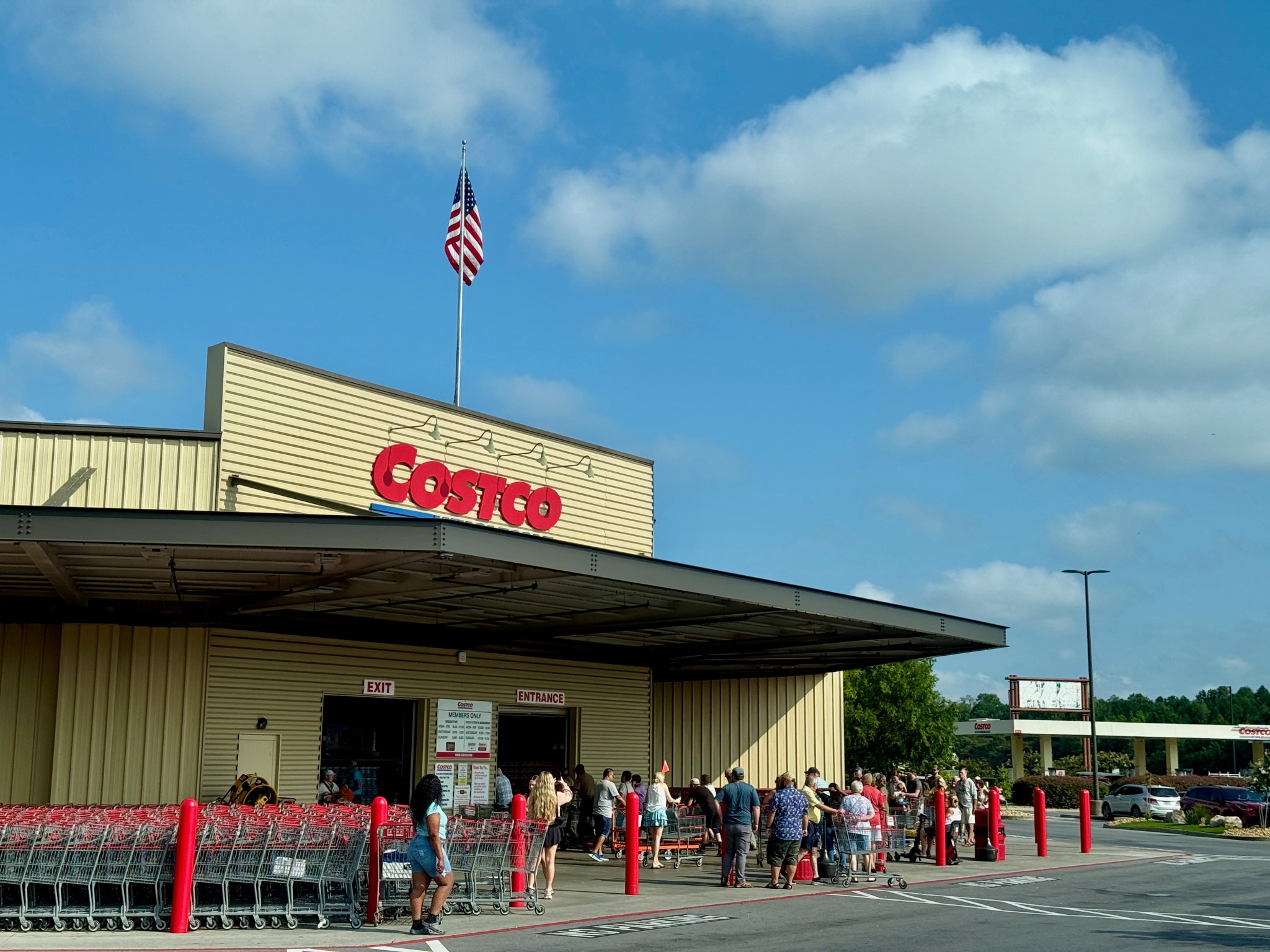
Costco fanatics don’t shop there because of fast delivery. They shop there for its curated assortment, competitive prices, its highly trusted Kirkland Signature brand, and the treasure-hunt aspect of shopping in its cavernous warehouses; they might stumble across a jar of luxurious La Mer moisturizer while looking for underwear or croutons.

Such is Costco’s hold on its satisfied customers that 92.3% of members in the U.S. and Canada renewed last year. Costco’s net sales for the fiscal year ended in August hit $297.3 billion, nearly triple what they were a decade ago.

“E-commerce is important to Costco, but it’s not the be-all and end-all in the way it is for some businesses. Costco is also quite well differentiated so while it does compete with Amazon and Walmart, it isn’t quite as involved in the digital grocery battle that those two are fighting,” said Neil Saunders, managing director of GlobalData.

What’s more, Costco’s business model is designed for its basic retail operations to be break-even, so that it can continue to offer the low prices members seek. Indeed, most years, Costco’s membership revenue is roughly equivalent to its net income. The average Costco store carries about 4,000 different items, compared to 100,000 at Walmart. That selectivity gives Costco clout with vendors to get low prices.

Its margins, low by design, mean that Costco has to be very careful about how it spends money, hence its decision to team up with other companies for its same-day delivery rather than build out its own infrastructure like Walmart (including its Sam’s Club business, which competes directly with Costco), Target, and Amazon. It’s a particularly important consideration for Costco and Sam’s Club given how heavy deliveries from these bulk retailers can be and why they steer customers toward curbside delivery as much as possible.

Still, that’s not to say e-commerce is an afterthought. Indeed, Costco’s e-commerce business is growing more quickly than store sales: in its recently ended fiscal year, digitally-enabled sales (e-commerce as well as sales made via its apps) rose 20.9%, well above the companywide comparable sales uptick of 8.4%.

Costco CEO Ron Vachris told Fortune in 2024 that while e-commerce is a priority, growing online sales wouldn’t come at the expense of the in-store experience. At the same time, Costco knows that e-commerce is essential to getting young customers especially to sign up for memberships, and much as they love Costco, a certain level of convenience via delivery is seen as table stakes.

Sign up to read this article
Read news from 100's of titles, curated specifically for you.
Already a member? Sign in here
Related Stories
Top stories on inkl right now
One subscription that gives you access to news from hundreds of sites
Already a member? Sign in here
Our Picks
Fourteen days free
Download the app
One app. One membership.
100+ trusted global sources.