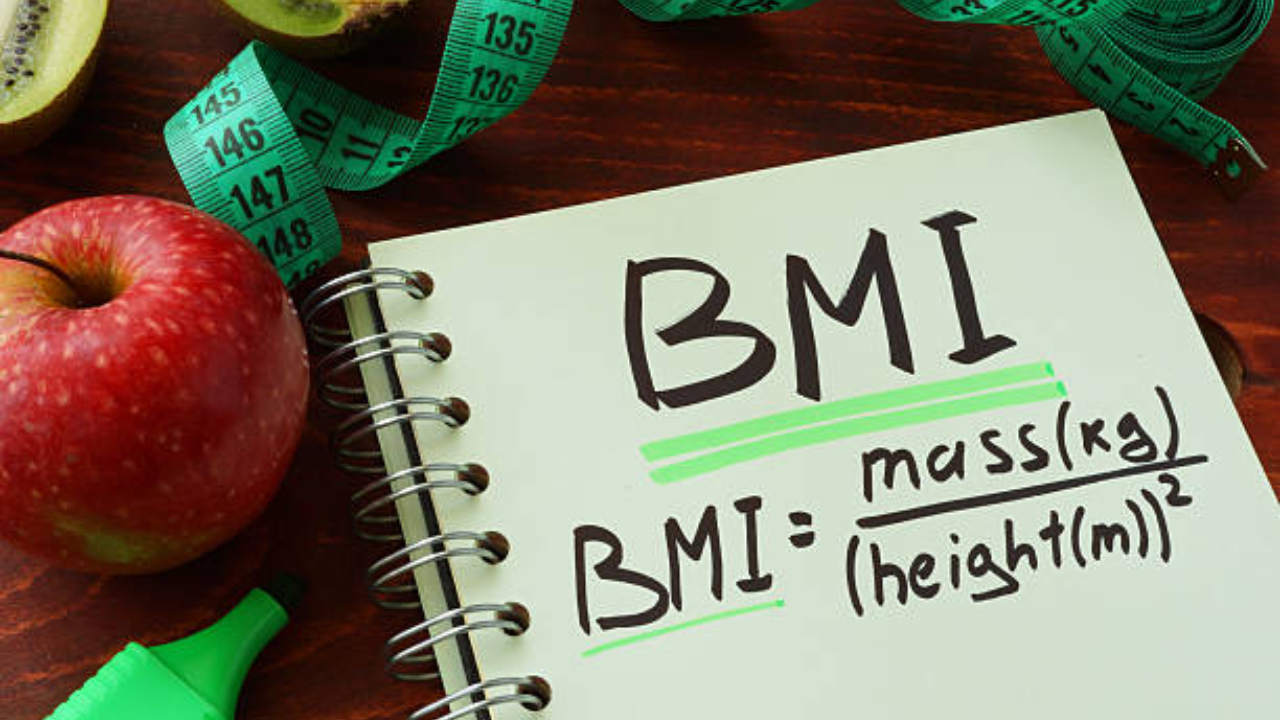
BMI is a standard measure to assess an individual as underweight, normal, overweight, or obese. However, it may not be accurate to measure health in Indians. This means that the weight may be normal but disproportionate fat muscle mass ( fat to protein disproportion).
Indians are prone more to central obesity and are metabolically obese with normal or below normal weight. And more visceral fat and less protein mass
The reasons why BMI is not the best indicator to check obesity in India
Ethnic differences
Indians tend to have higher body fat percentages compared to individuals of European descent with the same BMI, which means individuals with normal BMI still have higher risks of obesity-related comorbidity
Body composition
BMI is flawed because it doesn’t distinguish between fat mass and muscle mass, Indians have a higher proportion of body fat and lowered muscle mass, hence they may have BMI in normal range but still have excessive fat deposits increasing the risks of metabolic disorders.
Waist circumference
Waist circumference is a better indicator of abdominal obesity and associated health risks than BMI alone. Indians specifically those with South Asian ancestry are prone to central obesity. Individuals with normal BMI can have higher waist circumference with an increased risk of metabolic syndrome.
Health risks
BMI alone can misinterpret obesity-related co-morbidity and unnecessary interventions. This is due to fat proteins disproportions individuals may be in the normal BMI range but still experience obesity related comorbidities like coronary artery diseases, diabetes, hypertension, and Dyslipidemia.
Waist circumference is a better parameter than BMI to assess obesity in Indians. Indians are more prone to central obesity ( lemon on a stick) despite being thin and are more prone to metabolic syndrome. A more precise means to measure obesity is body composition analysis which reveals the exact percentage of fat in a person's body
Body fat percentage can be assessed by bioelectrical impedance (BIA) or Dual-energy X-ray absorptiometry (DEXA), to determine body fat percentage and an accurate measure of obesity than BMI.
In Indians rather than BMI, waist circumference, BIA, and DEXA are better indexes to measure obesity-related health risks and also to do comprehensive clinical assessments like blood tests, lipid profiles, glucose levels, and other markers of metabolic health to evaluate obesity-related risks.
BMI serves as a convenient screening tool, it shouldn’t be the sole determinant of obesity or overweight status in Indians who have distinct body composition and health risks, By adopting these approaches people are made aware of their body status, obesity risks, and better health outcomes to reduce burdens of obesity-related co morbidity in India.
(Author: Dr. M. Manisegaran, Consultant Surgical Gastroenterologist-Minimal Access Surgery, Bariatric, Metabolic & Robotic Surgery, Yashoda Hospitals Hyderabad)