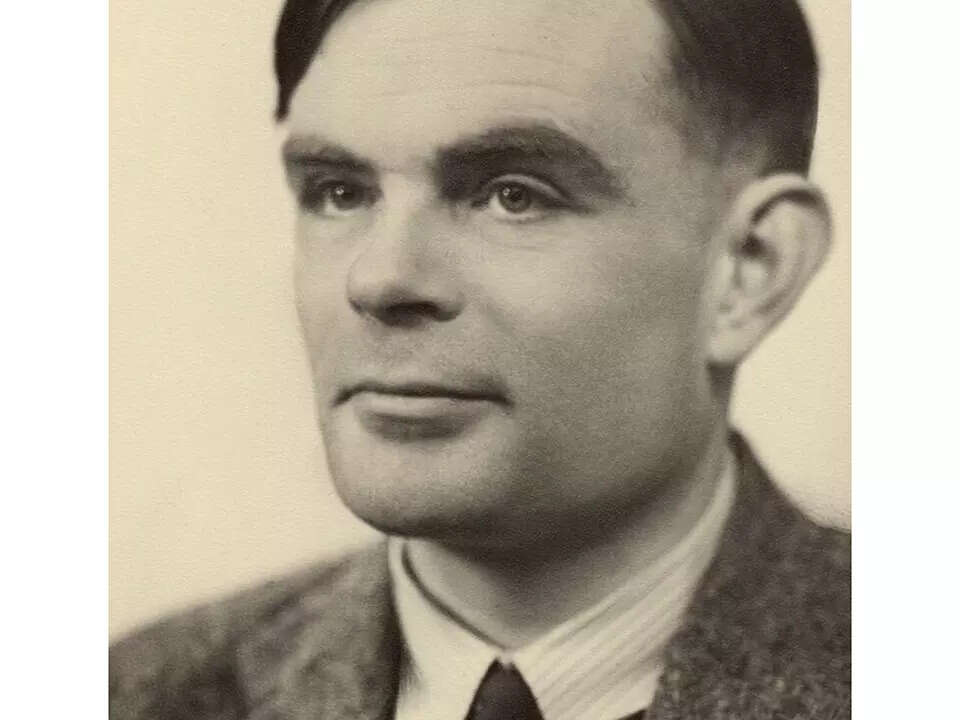
War rarely turns on one person alone, yet certain names continue to surface when the history of World War II is revisited. Alan Turing is one of them. Born in London in 1912, he was trained as a mathematician and logician, with work that moved between theory and machinery. When Britain entered the war in 1939, he joined the Government Code and Cypher School at Bletchley Park, where secret efforts were underway to read encrypted German military signals. His contribution to codebreaking, especially against the Enigma system used by Germany, later came to be seen as decisive. Historians continue to assess the scale of that impact, but few dispute that his work altered the pace and direction of the war.