Almost everyone knows someone whose life has been changed by cancer. It could be a parent, a friend, a neighbour, or even someone you've never met but admired. That's what makes the World Health Organization's latest warning feel so personal. According to new projections, the number of people diagnosed with cancer could nearly double by 2050. It's a startling figure, but it's also a reminder that the choices we make today both as individuals and as societies could shape the future of millions of lives.
Cancer Is Becoming More Common And There's a Reason Why
At first glance, the projection sounds frightening. But it doesn't mean cancer is suddenly spreading faster than ever before. One of the biggest reasons behind the expected rise is actually something positive: people are living longer. As life expectancy increases, so does the risk of developing diseases that are more common with age, including many types of cancer.
At the same time, modern lifestyles are adding to the challenge. Tobacco use, unhealthy diets, physical inactivity, alcohol consumption, obesity, and exposure to pollution continue to increase the risk for millions of people. Together, these factors are creating what health experts describe as one of the biggest public health challenges of the coming decades.
This Is About More Than Just Numbers
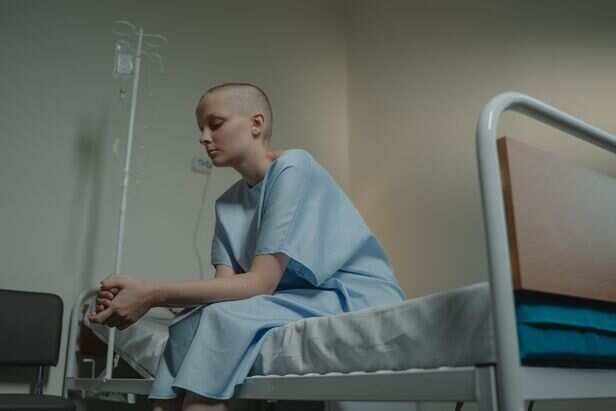
When we hear a statistic like "cancer cases could nearly double," it's easy to think of it as just another headline. In reality, every number represents someone's parent, sibling, partner, friend, or child. It means more families sitting in hospital waiting rooms, more people navigating difficult treatments, and more caregivers trying to balance hope with uncertainty.
The warning isn't just about disease. It's about preparing healthcare systems so they can support the growing number of people who may need care in the years ahead.
The Good News Is That Many Cases Can Be Prevented
Despite the worrying projection, experts continue to stress one encouraging fact: not all cancers are unavoidable. Simple lifestyle choices can lower the risk of developing several types of cancer. Avoiding tobacco, limiting alcohol, eating nutritious food, staying physically active, maintaining a healthy weight, protecting your skin from excessive sun exposure, and getting recommended vaccines like HPV and hepatitis B all play an important role.
These habits don't guarantee that someone will never develop cancer, but they can significantly reduce the chances. Sometimes, prevention starts with the small decisions we make every day.
Listening to Your Body Could Save Your Life
One of the biggest challenges with cancer is that many people ignore early warning signs. A lump that doesn't go away. Persistent fatigue. Unexplained weight loss. Bleeding that seems unusual. Changes that feel small today can become much bigger problems if left unchecked.
That's why doctors repeatedly emphasise the importance of early diagnosis. Finding cancer in its early stages often means more treatment options and better outcomes. It also means giving yourself the best possible chance before the disease has time to progress.
Governments Can't Fight This Battle Alone
While personal choices matter, the WHO says individuals shouldn't carry this responsibility by themselves. Governments have an equally important role to play by investing in stronger healthcare systems, improving access to cancer screening, supporting vaccination programmes, and ensuring treatments are available to everyone not just those who can afford them.
Reducing cancer deaths isn't simply about developing new medicines. It's also about making sure people receive the right care at the right time, regardless of where they live.
This Warning Is Really About Hope
It's easy to see projections like these and feel overwhelmed. But that's not the message the WHO wants the world to take away. The warning is meant to encourage action, not fear. Medical science has already transformed the way many cancers are detected and treated. Survival rates continue to improve for several cancers when they're diagnosed early.
The real question is whether governments, healthcare systems, and individuals are willing to act now rather than wait until the numbers become even harder to manage.
The possibility that global cancer cases could nearly double by 2050 is undeniably alarming, but it isn't a prediction that cannot be changed. Every healthier lifestyle choice, every early screening, every awareness campaign, and every investment in better healthcare brings us one step closer to reducing that burden. The future isn't written yet, and sometimes the most powerful way to fight cancer is by taking action long before it begins.
Unlock insightful tips and inspiration on personal growth, productivity, and well-being. Stay motivated and updated with the latest at My Life XP.