
Get all your news in one place.
100’s of premium titles.
One app.
Start reading
Clever Dude
Clever Dude
Drew Blankenship

When Assistance Programs Update for the New Year, These Income Thresholds Quietly Shift

income limits
Image Source: Shutterstock

Every January, millions of Americans receive a cost-of-living adjustment (COLA) to their Social Security or disability benefits. While that extra money is meant to help with inflation, it can quietly push recipients over the income limits for key assistance programs. From food stamps to Medicaid, these programs update their income thresholds annually, but few people realize just how much those numbers shift. Missing the memo can mean losing benefits you’ve relied on for years. Here’s what’s changing in 2026 and how to stay ahead of the curve.

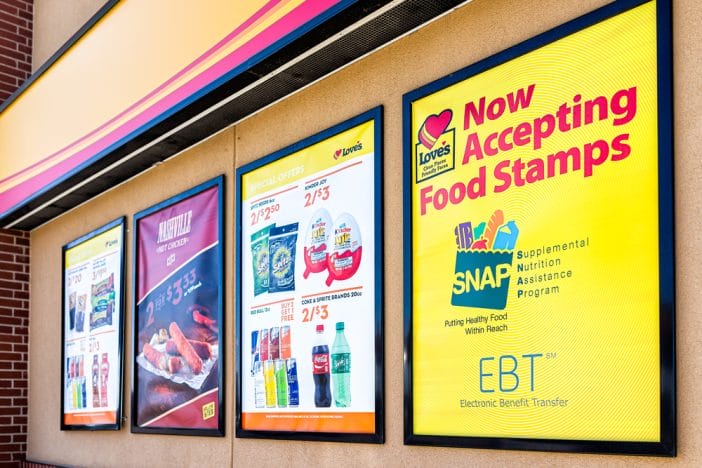
SNAP (Food Stamps) Income Limits Just Increased

The Supplemental Nutrition Assistance Program (SNAP) updated its income eligibility standards on October 1, 2025, for fiscal year 2026. For a household of one in the 48 contiguous states, the gross monthly income limit is now $1,696, and for a family of four, it’s $3,483. These limits are based on 130% of the federal poverty level. Many seniors and low-income workers mistakenly assume they earn too much to qualify, but the 2026 thresholds are more generous than in previous years. If you were just over the line last year, it’s worth checking again.

Medicaid Eligibility Is Tied to Federal Poverty Guidelines

Medicaid income limits also shift annually, typically aligning with the Federal Poverty Guidelines. For 2026, a single adult in most states can qualify with an income up to $20,783 (138% of the poverty level), while a family of four can earn up to $43,056. States that expanded Medicaid under the Affordable Care Act use these thresholds, but non-expansion states may have stricter rules. If your income increased slightly due to COLA, you might now be over the limit unless your state offers a spend-down or Medically Needy program. Always check your state’s Medicaid website for the latest numbers.

Extra Help for Medicare Part D Has New Limits

The Extra Help program helps low-income Medicare beneficiaries pay for prescription drug costs. Individuals can qualify with annual incomes up to $22,590, and married couples up to $30,660, depending on assets. These limits are adjusted each year, and even small Social Security increases can affect eligibility. If you’re close to the line, consider submitting a Form SSA-44 to report a life-changing event like retirement or income reduction. That could help you stay under the threshold and keep your drug coverage assistance.

LIHEAP Energy Assistance Adjusts for Inflation

The Low Income Home Energy Assistance Program (LIHEAP) helps households with heating and cooling costs. For 2026, income limits are based on 150% of the federal poverty level, which means a single person can earn up to $23,475, and a family of four up to $48,225. These thresholds vary slightly by state and household size. With energy costs rising, more households may qualify this year than last. Apply early because funds are limited and often distributed on a first-come, first-served basis.

Lifeline Phone and Internet Discounts Expanded

The Lifeline program offers discounted phone and internet service to low-income households. Now, the income limit is 135% of the federal poverty level, or about $22,128 for a single person and $45,000 for a family of four. You may also qualify automatically if you receive SNAP, Medicaid, SSI, or certain veterans’ benefits. With more services moving online, staying connected is essential, and Lifeline can help. Check with your provider or visit LifelineSupport.org to apply.

WIC and School Meal Programs Adjust for Household Size

The Women, Infants, and Children (WIC) program and free/reduced school lunch programs also update their income guidelines annually. For WIC, the 2026 limit is 185% of the federal poverty level, or $28,953 for a single parent and $59,478 for a family of four. These programs are often underutilized by working families who assume they don’t qualify. If you’ve had a baby, lost hours at work, or are caring for grandchildren, it’s worth rechecking your eligibility. These benefits can significantly ease grocery and childcare costs.

Why You Should Reapply or Appeal

Even if you were denied benefits last year, the 2026 income thresholds may now work in your favor. Many programs don’t automatically reassess eligibility after COLA increases or life changes. If your income is close to the cutoff, consider reapplying or filing an appeal. You can also request a fair hearing if you believe your benefits were wrongly reduced. Don’t assume the system will catch the change. Be proactive.

Assistance programs don’t always advertise their annual updates, but the impact on your household can be huge. A few extra dollars in Social Security could cost you hundreds in lost benefits unless you know how to respond. By understanding how income thresholds shift each year, you can protect your access to food, healthcare, and utility support. Don’t let quiet changes catch you off guard.

Have you checked your eligibility since the 2026 updates?

What to Read Next

Tax Preparers Warn: This Side Income Mistake Triggers Extra Scrutiny

Why So Many Middle-Class Couples Feel Broke Despite Dual Incomes

What Your Income Bracket Says About Where You Stand in ‘Big, Beautiful’ America

Why High-Income Retirees Face Bigger Risks From One New Tax Law

New Senior Tax Deduction That Could Slash Your Retirement Income — But It Ends Soon

The post When Assistance Programs Update for the New Year, These Income Thresholds Quietly Shift appeared first on Clever Dude Personal Finance & Money.

Sign up to read this article
Read news from 100’s of titles, curated specifically for you.
Already a member? Sign in here
Related Stories
Top stories on inkl right now
Our Picks
Fourteen days free
Download the app
One app. One membership.
100+ trusted global sources.