Votes are being counted in the Republic of Congo after a day of voting Sunday in a presidential election that is expected to extend President Denis Sassou Nguesso’s rule for a fifth term.
Throughout the capital, Brazzaville, there were no long queues outside polling stations. RFI reporters observed small groups of voters arriving sporadically.
Low turnout underlines the lack of suspense surrounding the outcome of the election.
Few challengers
Civil society groups and analysts predicted turnout to fall below the nearly 68 percent recorded in 2021, when Sassou won his previous five-year mandate with 88.4 percent of the vote.
Sassou did not face many challengers, with two of the most well-known opposition leaders in prison, while others are in exile.
Congo-Brazzaville's Sassou Nguesso set to extend four-decade rule
Several opposition parties boycotted the election, saying the process lacked credibility.
One of the notable features of the day was the disruption to communications and internet access.
Neither the candidates, nor the government commented on the outage, which also occurred during the presidential election in 2021.
The National electoral commission has not yet announced a date for the publication of the official results of the vote. Provisional results are expected 48 to 72 hours after polling stations close.
"We remain hopeful that what I heard throughout the campaign will materialise today," Sassou told reporters after casting his ballot in Brazzaville.
Pro-Sassou bias
Ahead of Sunday's vote, Prime Minister Anatole Collinet Makosso dismissed accusations of pro-Sassou bias, arguing that Congo's oversight bodies would ensure a transparent and fair election.
Congo-Brazzaville returns to global stock markets after almost 20 years
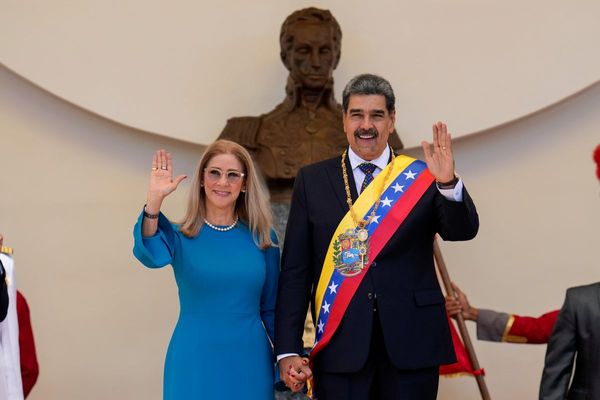
Sassou, who has governed almost continuously since he seized power in 1979, campaigned on continuity, pledging to accelerate development projects and expand access to education and professional training.
More than half of the population lives in poverty, according to the World Bank, with an economy remains heavily dependent on oil.