Get all your news in one place.
100's of premium titles.
One app.
Start reading
The Economic Times
The Economic Times
Piyush Shukla

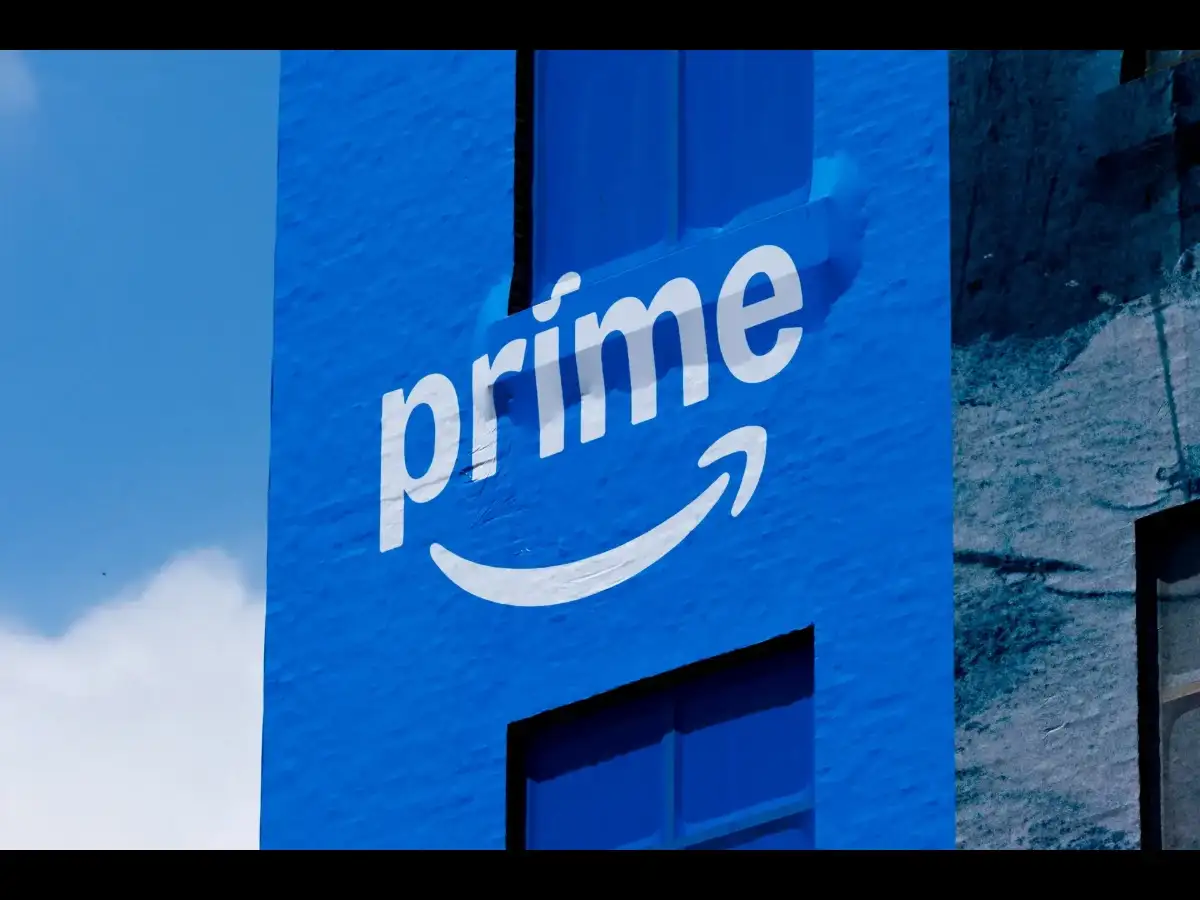
What went wrong with Amazon Prime that led to a $2.5 billion FTC settlement? Here’s what eligible customers can actually receive

Amazon Prime FTC refunds: Getting into Amazon Prime was always frictionless. Leaving was a totally different story. The Federal Trade Commission eventually decided that deliberate maze broke the law. In late 2025, they hit Amazon with a historic $2.5 billion settlement.

The core problem centered on user interface design. If you clicked a fast-shipping button at checkout, you were often enrolled. Trying to cancel required navigating a deliberately confusing loop of menus. The government argued this went beyond aggressive marketing. It crossed into deception. To settle the dispute, Amazon accepted a $1 billion fine and created a $1.5 billion pool to pay customers back. The company had already distributed $845 million by September 2026. Now, the payment net is expanding.
Amazon Prime FTC settlement refunds: What the $2.5 billion deal really means for customers

Originally, the refund rules were incredibly strict. If you touched your Prime account more than 10 times in a year, you were disqualified. A single streamed movie or one free delivery counted as a benefit.

That rule changes on October 1, 2026. Millions of previously excluded users just made the cut because the court raised the usage threshold to 20 benefits.

This subtle shift carries massive legal weight. The court basically acknowledged normal human behavior. Watching a few episodes of a show doesn't prove you knowingly consented to a recurring annual fee. If you got trapped by a disputed signup screen between June 23, 2019, and June 23, 2025, you are on the list. The same goes for anyone who actively tried to use the online cancellation process and failed during that window. Hit 21 benefits and you forfeit the cash.

Why did the maximum payment rise from $51 to $200?

The first wave of checks maxed out at just $51. For many frustrated subscribers, that barely put a dent in years of unwanted charges. The revised court order corrects the math. It bumps the maximum possible refund up to $200.

That doesn't mean a $200 Venmo alert is guaranteed next week. If you were part of the earlier group and already accepted your $51, you stay in the system. The settlement requires Amazon to monitor the total payout pool. If they haven't distributed enough cash by February 2027, a second wave of payments triggers. Those follow-up distributions will start by April 2027, potentially adding up to $149 to your previous total.

Massive financial settlements inevitably attract fraud. The FTC designed this process specifically to cut scammers out of the loop.

You don't have to fill out a single form. Nobody has to hunt down old credit card statements or file a claim.

Amazon was forced to comb its own databases to identify the victims. If your account fits the criteria, the money just shows up. The company is using direct Venmo transfers, PayPal deposits, and mailed checks. Your only job is to cash or accept the funds within 60 days of the issue date. Any email or call demanding an upfront fee to unlock your Amazon refund is a scam. The legitimate money requires absolutely no work from the consumer.

Sign up to read this article
Read news from 100's of titles, curated specifically for you.
Already a member? Sign in here
Related Stories
Top stories on inkl right now
One subscription that gives you access to news from hundreds of sites
Already a member? Sign in here
Our Picks
Fourteen days free
Download the app
One app. One membership.
100+ trusted global sources.