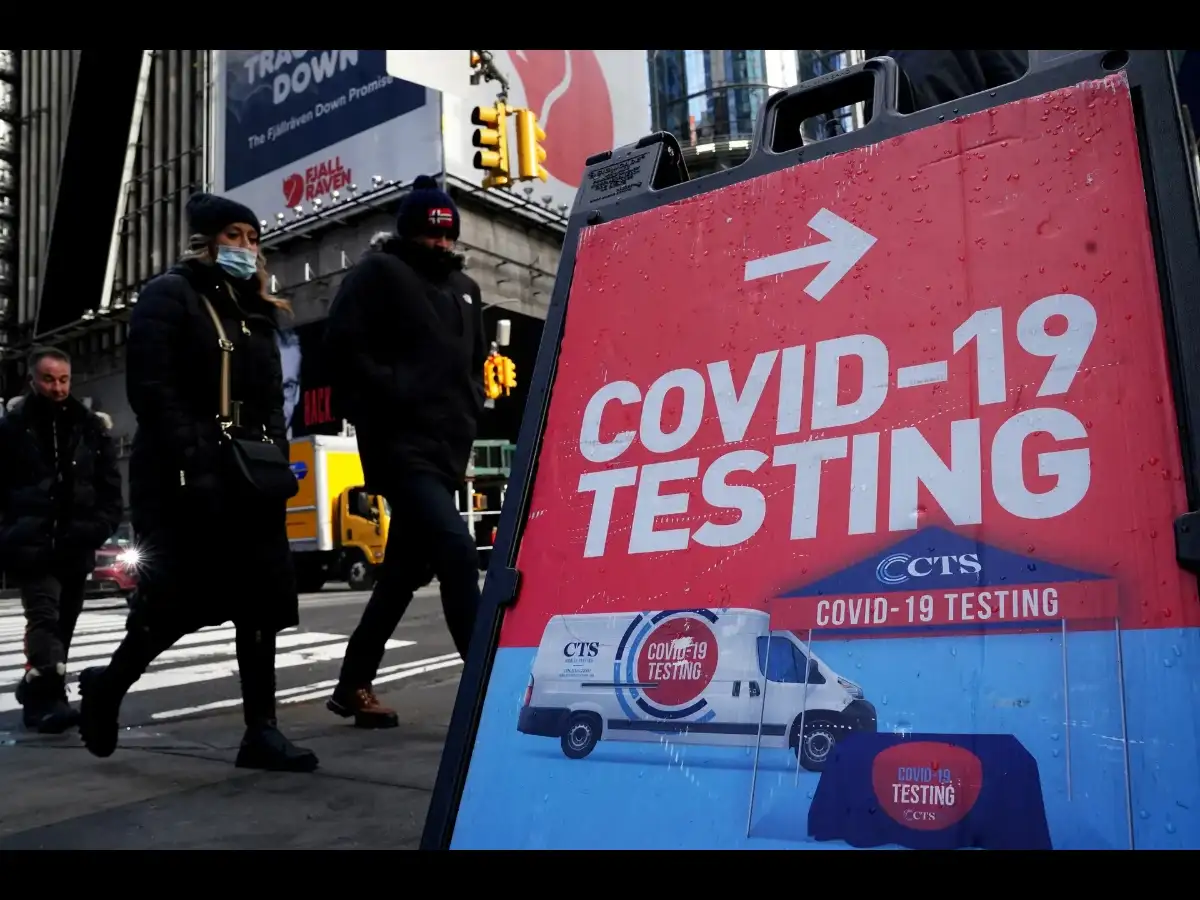
COVID-19 activity is rising again across parts of the United States, with several states reporting moderate to very high levels of coronavirus activity, according to data from the Centers for Disease Control and Prevention (CDC), as reported by USA Today.
SARS-CoV-2 levels detected through wastewater testing across the US began increasing in July and rose sharply through August and September, pointing to higher levels of COVID-19 transmission. While the CDC currently categorizes national COVID-19 wastewater viral activity as “low,” several states, particularly in the South and West, are reporting high or very high activity.

COVID-19 wastewater levels rise
Wastewater surveillance is used as an early warning tool for public health officials. Because people can shed the virus even when they have few or no symptoms, testing sewage can help identify changes in COVID-19 activity in a community before those changes are reflected in other health data.
“In September, national COVID-19 levels in wastewater are up 55% compared to August,” Amanda Bidwell, WastewaterSCAN scientific program manager, told USA Today.
“Sites are continuing to trend up across the country. In the West and South we’ve surpassed the COVID-19 concentrations observed during the winter peak (2025-2026),” Bidwell said.
Dr. Anne Rimoin, professor of epidemiology at the UCLA Fielding School of Public Health and director of the Center for Global Health Security, said COVID-19 activity is varying significantly across the country.
“Right now, the picture is quite different depending on where you are: The West is seeing a substantial increase, activity is also rising in parts of the Midwest and Northeast, while the South appears to be further along in its wave,” Rimoin told USA Today.
States seeing an early wave of COVID-19
According to CDC Rt estimates, which track how quickly respiratory viruses are spreading, COVID-19 infections are growing or probably growing in 27 states. They are declining or probably declining in 13 states, while activity is unchanged in 10 states.
The latest wastewater data indicate that states in the South and West are among those seeing particularly elevated COVID-19 activity.
COVID-19 symptoms
COVID-19 and influenza can cause several similar symptoms, making it difficult to distinguish between the two based on symptoms alone.
Common symptoms can include fever, cough, sore throat, fatigue, congestion, headache and body aches. Some people may also experience shortness of breath or loss of taste or smell.
Health officials continue to recommend COVID-19 vaccination for eligible people, particularly because respiratory viruses can circulate at the same time during the fall and winter months.
Rimoin said the rise in COVID-19 activity at this time of year is not necessarily unusual.
“We’ve seen COVID increasing in late summer and early fall before, so an uptick at this time of year is not particularly surprising,” she said.
“COVID is still a relatively new pathogen and has not really settled into the kind of predictable seasonal pattern we see with influenza. It continues to produce waves at different points throughout the year.”