
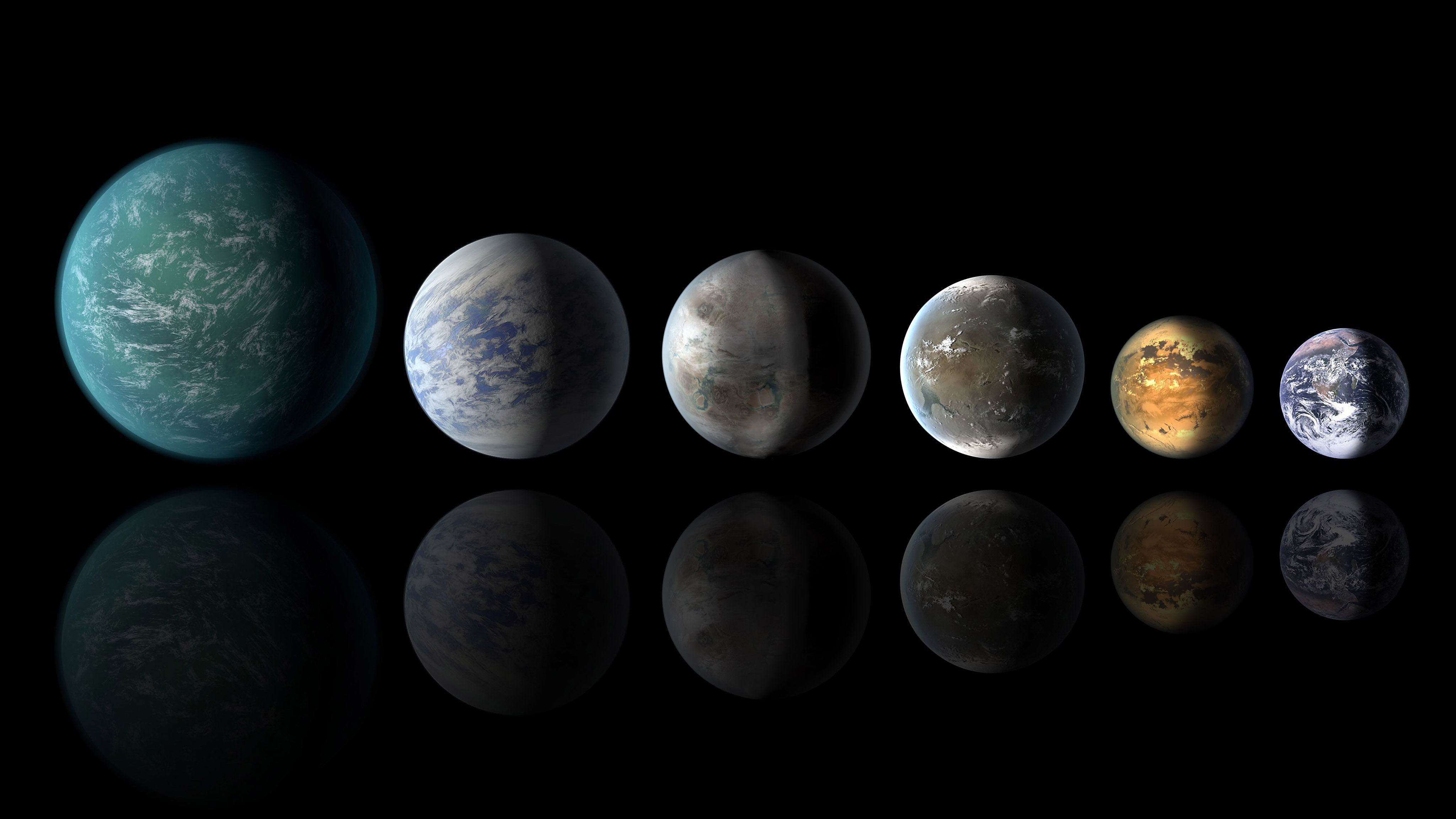
As astronomers delve deeper into the diversity of worlds orbiting distant stars, a new study suggests comparing populations of young exoplanets with older ones could reveal vital clues about how planets form, evolve and change over time.
This approach could ultimately provide answers to some heavily debated topics, such as the existence of a "hot Neptune desert," which refers to the strange scarcity of Neptune-size planets in close orbits around their stars, and the "radius valley," a distinct gap between planets with roughly 1.5 and 2 times the Earth's radius.