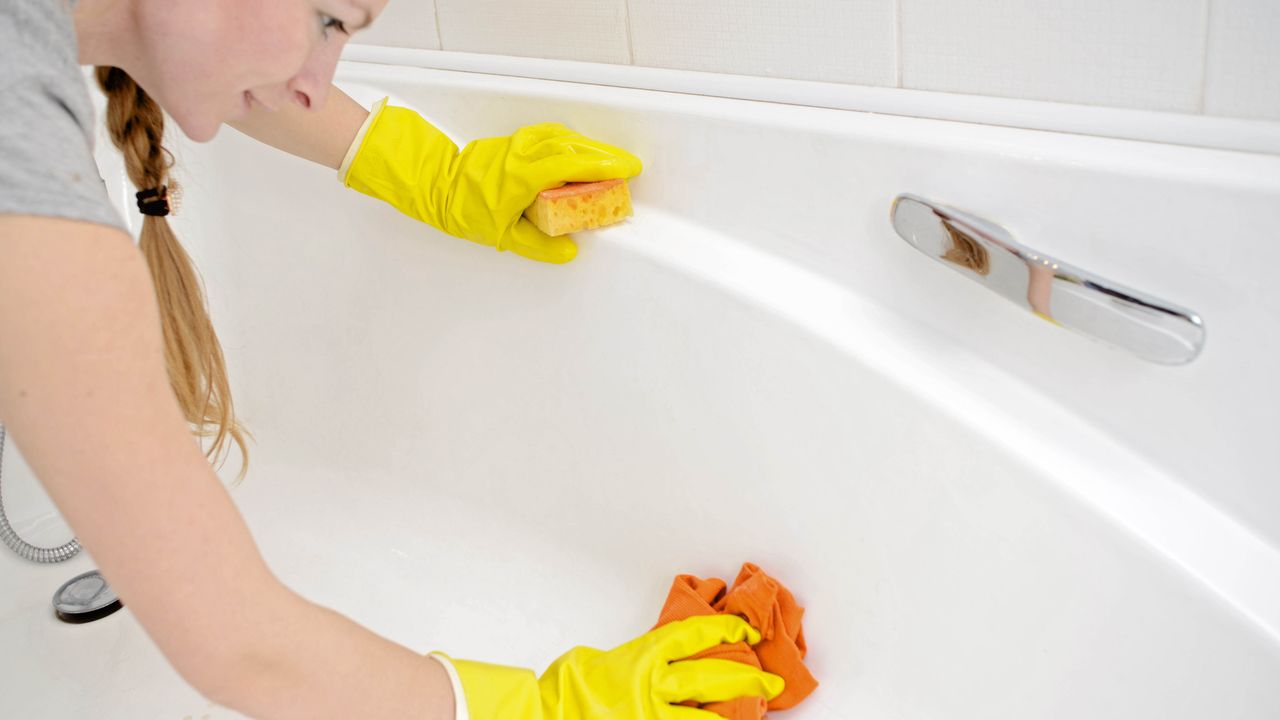
If there is one household chore I truly despise, it’s the constant battle with bathroom mold — particularly those stubborn black spots that seem to resurface in my silicone sealant. Whether it's mold in my shower or around the bathtub, knowing how to get rid of mold can be an arduous task.
But while black mold is easy to identify, what about pink mold? This often shows up as a light pink pigment or ring around shower drains or tile grout, and is not as noticeable. Despite not being as hazardous as black mold, it’s still important to know how to clean pink mold to keep your bathroom clean and germ-free.

Before you reach out for the bleach however, there is a simple DIY natural solution that can instantly remove pink mold. All you need are a few kitchen staples that are safe to use around the home.
Here are our top tips on how to tackle pink mold once and for all.
What is pink mold and where does it come from?
Essentially, pink mold is a common airborne bacteria (Serratia marcescens) that builds up over time. The trouble is, this bacteria feeds on the fatty oils and minerals found in shampoo or soap scum, alongside hard water buildup and bodily particles left in your bathroom. Gross!
Similar to mold spores, pink mold thrives on moisture to grow, which is why it’s vital to have adequate ventilation after a hot shower or bath.
How to clean pink mold
First, combine half a cup of baking soda with a tablespoon of liquid dish soap or your favorite multi-surface cleaner in a bowl. Mix until you have a thin, runny paste.
Next, get a small bristle brush or even an old toothbrush, dip it into the solution before scrubbing away at the mold — working it into those pinkish patches until there are no traces of bacteria.
Once you’ve scrubbed all away, rinse the residue away with warm water or use a damp microfiber cloth to wipe down the surface.
Baking soda is a great multi-purpose cleaner (not just a common baking essential!). Not only does its abrasive nature help with removing stubborn stains but it can also absorb lingering odors. In fact, there are so many things you can clean with baking soda. Plus, combined with another kitchen staple, white vinegar, it can make light work of tough cleaning chores.
How to disinfect the area
After you’ve cleaned the surface, it’s advisable to kill any lingering bacteria with a disinfectant solution. For this, simply mix a 50:50 solution of warm water and chlorine bleach into a spray bottle.
Next, spray the areas with the solution and leave to sit for about 10 to 15 minutes. This should kill bacteria and remove any stains that remain on the surfaces. Finally, give it a final sweep with a fresh cloth, sponge or soft-bristled brush to ensure every surface is buffed clean and completely dry. With any luck, your tile grout, bathtub, or sink should be sparkling clean and bacteria-free.
Just remember never to use bleach with other cleaners, such as white vinegar or ammonia, to prevent a toxic chemical reaction and the release of chlorine gas. And remember to always keep a window or door open for adequate ventilation during cleaning.
Cleaning essentials we love