Get all your news in one place.
100's of premium titles.
One app.
Start reading
International Business Times UK
J. Alas

What Is Listeria and What Makes It So Dangerous? The Story Behind the Deadly Bacteria Causing Food Recalls in the UK

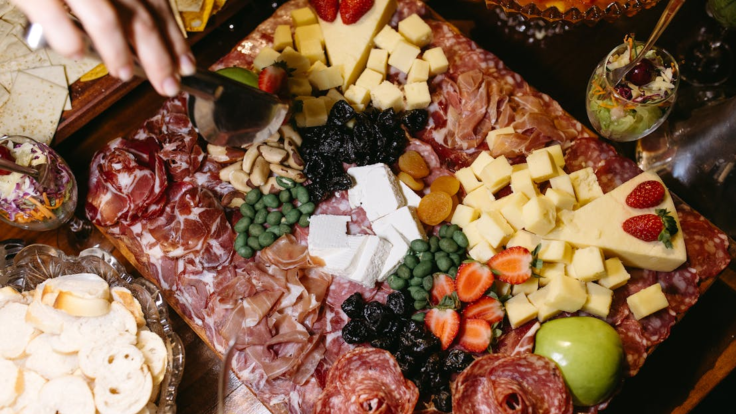
Listeria outbreaks raise alarm as bacteria found in chilled food pose serious risks, especially to pregnant women and vulnerable individuals. (Credit: Pexels)

Listeria is a bacteria that can cause serious illness and has been at the centre of recent food recalls across the UK. Its ability to survive in cold environments makes it particularly hazardous, especially in processed foods. The bacteria's presence in common products has prompted urgent warnings from health authorities, highlighting its deadly potential.

Listeria is a genus of bacteria, with Listeria monocytogenes being the species responsible for listeriosis. It is frequently found in soil, water, and the intestines of animals. During food processing, packaging, or storage, the bacteria can contaminate a wide range of products, especially those that are ready-to-eat or stored in refrigeration. This real danger lies in the bacteria's resilience and widespread presence in the environment.

What Makes Listeria So Dangerous?

One of the key reasons Listeria is considered highly deadly is its ability to survive and grow at refrigeration temperatures. Unlike most bacteria, it thrives in cool, damp environments and can multiply inside a fridge at temperatures as low as 0°C. This means that even properly stored food can become contaminated over time.

The infection caused by Listeria, called listeriosis, has a high mortality rate, especially among vulnerable groups. About one in six people with weakened immune systems who contract listeriosis may die from it. The bacteria's invasive nature means it can move beyond the intestines, spreading into the bloodstream and nervous system, causing conditions such as meningitis or septicemia.

Pregnant women are particularly at risk. While they may only experience mild flu-like symptoms, Listeria can cross the placenta and cause serious consequences. These include miscarriage, stillbirth, or premature death in newborns. The incubation period can vary from one to eight weeks, making it difficult to identify the contaminated food source promptly.

Recognising the Symptoms of Listeriosis

Symptoms of listeriosis can range from mild to severe. Mild cases often present as fever, muscle aches, diarrhoea, nausea, and fatigue. However, invasive infections can cause headaches, stiff necks, confusion, and loss of balance. In some cases, convulsions may occur. The delayed onset of symptoms complicates diagnosis and response.

Certain foods are more likely to be contaminated with Listeria. These include processed and refrigerated products such as deli meats and hot dogs, which are ready-to-eat and not re-heated before consumption. Soft cheeses made from unpasteurised milk also pose a risk, as do refrigerated smoked seafood, such as smoked salmon. Raw vegetables and salads can become contaminated during growing or processing if they come into contact with soil or contaminated water.

Recent Food Recalls and Public Warnings

In recent weeks, the Food Standards Agency (FSA) issued a recall for British Bresaola from The Curing Barn after Listeria monocytogenes was detected. The recall affected 60g packs with a use-by date of 10 June 2026. The FSA advised consumers not to eat the product and to return it to the point of purchase for a full refund.

Listeria symptoms can resemble those of flu, including high temperature, muscle pain, chills, nausea, and diarrhoea. In severe cases, the infection can lead to meningitis or other serious complications. The FSA's action underlines the importance of vigilance in food safety, especially with ready-to-eat and refrigerated items.

Preventing Listeria Infection

Preventative measures focus on proper handling and storage of foods. Reheating hot dogs, deli meats, and leftovers until steaming is essential. Maintaining cleanliness in the fridge by wiping spills and cleaning surfaces regularly helps reduce contamination risks. People at higher risk, such as pregnant women or those with compromised immune systems, should avoid high-risk food unless they are thoroughly heated.

Thoroughly washing fruits and vegetables before eating is another key step. These practices, combined with careful choice of products, can significantly reduce the chance of infection. While Listeria is a serious threat, adherence to basic food safety guidelines can minimise the risk of contracting it.

Sign up to read this article
Read news from 100's of titles, curated specifically for you.
Already a member? Sign in here
Related Stories
Top stories on inkl right now
One subscription that gives you access to news from hundreds of sites
Already a member? Sign in here
Our Picks
Fourteen days free
Download the app
One app. One membership.
100+ trusted global sources.