
With so many viral wellness trends and health information circulating online, it’s sometimes hard to keep track of what’s healthy and what's not. It can get pretty confusing when you start scrolling on TikTok and the first video you see is promoting intuitive eating, while the second is trying to sell you the 75-hard workout plan.
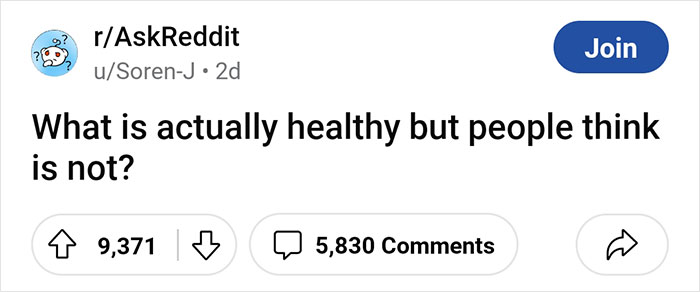
Seeing this way too often, redditor Soren-J reached out to the AskReddit community with a question: “What is actually healthy but people think is not?” In response, netizens provided a list of things that undeservingly get a bad reputation in the wellness department.
#1

Image credits: Merrill1v
#2

Image credits: wineblues2
#3

Image credits: Campbell__Hayden
Bored Panda reached out to Uta Boellinger, a BANT registered nutritionist, who kindly agreed to tell us more about what leads us to believe some things are unhealthy when they are good for us.
She explained, "Over the years the food and diet industries have spread so much misinformation in an attempt to sell their products. This coupled with false information spread by fitness influencers and the media has left people brainwashed and confused."
#4
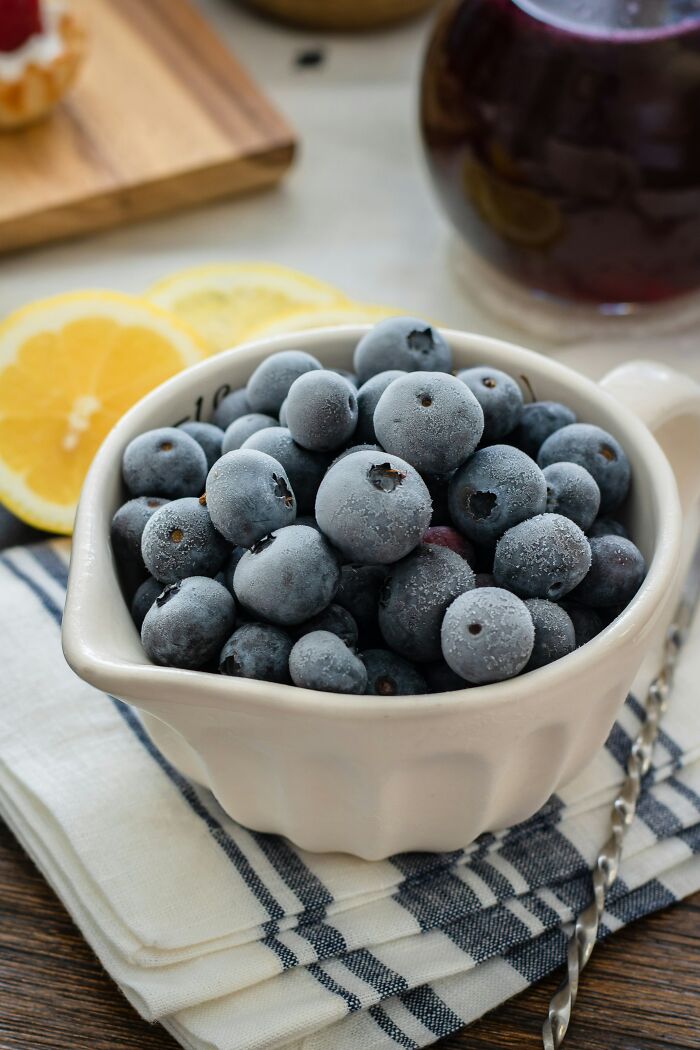
Image credits: Apprehensive-Tip4987
#5

Image credits: HumpsyDumpsy
#6

Image credits: fayriegodmother
One example of this is fat. "Far too many people still believe that anything high in fat is automatically unhealthy. This could not be further from the truth. In reality, we all need fat as our body is literally made from fat (cell membranes, our brain, hormones, etc. are all made from fat!).
There are of course good and bad fats and some fats can become unhealthy if they are heated at high temperatures but at the end of the day, high-fat foods such as avocado, oily fish, nuts & seeds are good for us.
Another reason foods can be seen as unhealthy is if they are naturally high in sugar (such as the poor old banana). The issue here is that statements are often taken out of context! Whether something is healthy or unhealthy depends a lot on when you are eating it, how big a portion is, and whether you are combining it with other foods or not. "
#7

Image credits: pusheenforchange
#8
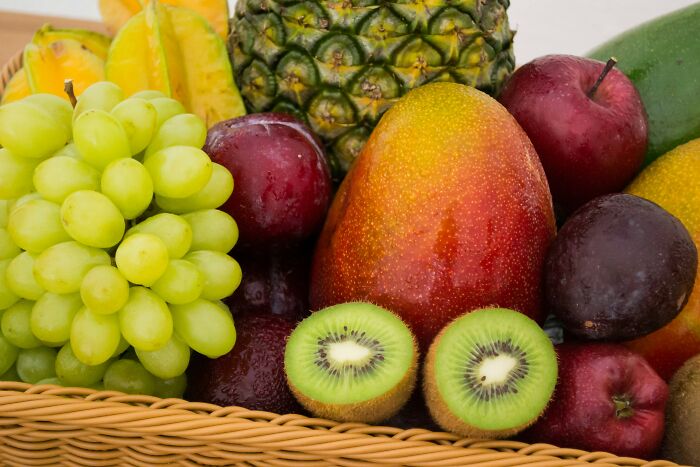
Image credits: Klumber
#9

Image credits: thatnameistakenalso
In order to help people be more cautious about conflicting information online and make the right decisions for their health, Boellinger emphasizes the difference between whole foods and highly processed foods, and how important it's to listen to your body and find reputable sources.
"For example, a banana may technically have the same amount of sugar as a chocolate bar but in reality, it is still healthier because it also contains fibre and vitamins and minerals.
Secondly, listen to your body. If you feel well, have great energy levels, good sleep, and balanced moods you are likely doing the right thing. Don’t let anyone tell you something is unhealthy just because it didn’t work for them.
Finally, find reputable sources! Follow the advice of registered nutritionists over that of a fitness influencer and don’t listen to anyone who is trying to also sell you products (such as weight loss shakes etc)."
#10

Image credits: Sudden-Let8709
#11

Image credits: TacoBellFourthMeal
#12

Image credits: Moon_Jewel90
#13

Image credits: YourCatGinger
#14
Image credits: jk013x
#15

Image credits: Turnthisupsidedown
#16

Image credits: One_Song80
#17
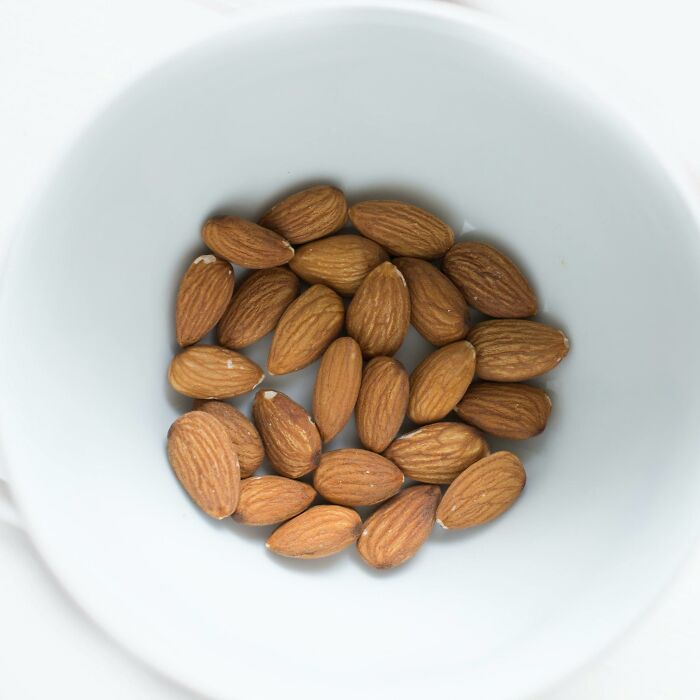
Image credits: Few_Understanding_42
#18
#19

Image credits: GlitteringBaby553
#20
Image credits: canigetachezburger
#21

Image credits: OliviaMandell
#22

Image credits: Puzzleheaded-Lie186
#23
Image credits: LikeALittl3Dang3r
#24

Image credits: adisarterinthemaking
#25

Image credits: Ok_Beyond6821
#26

Image credits: shuuchyu
#27

Image credits: Journey217
#28
#29
#30

Image credits: bub0reka