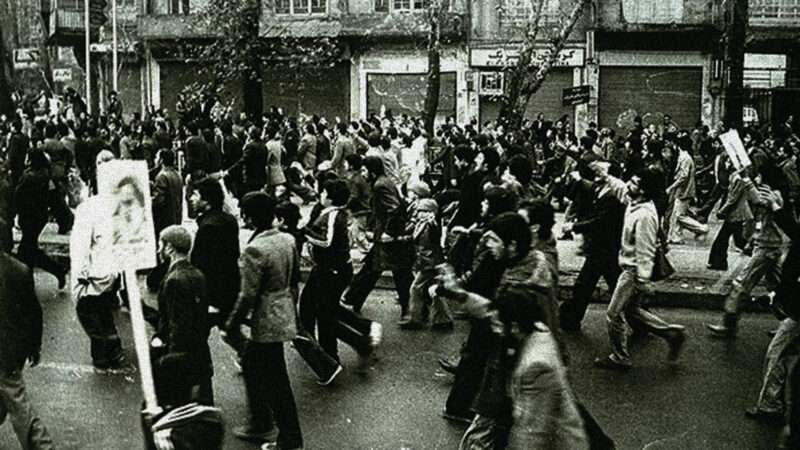
Iran's Islamic revolution was not just an Islamic revolution. A diverse set of factions, from Marxist-Leninists to religious nationalists, participated in overthrowing the monarchy. But their hopes for shaping the postrevolutionary order were soon dashed as the first theocracy in Iranian history was established.
Afshin Matin-Asgari, an Iranian-American historian and former student activist who put his life and studies in the 1970s on the line on the streets of Tehran, has felt the disillusionment acutely. Today, he is worried that the exiled Iranian opposition is repeating the errors of the 1979 generation. It is now the supporters of restoring the monarchy, he argues, who threaten the democratic aspirations of Iranians.