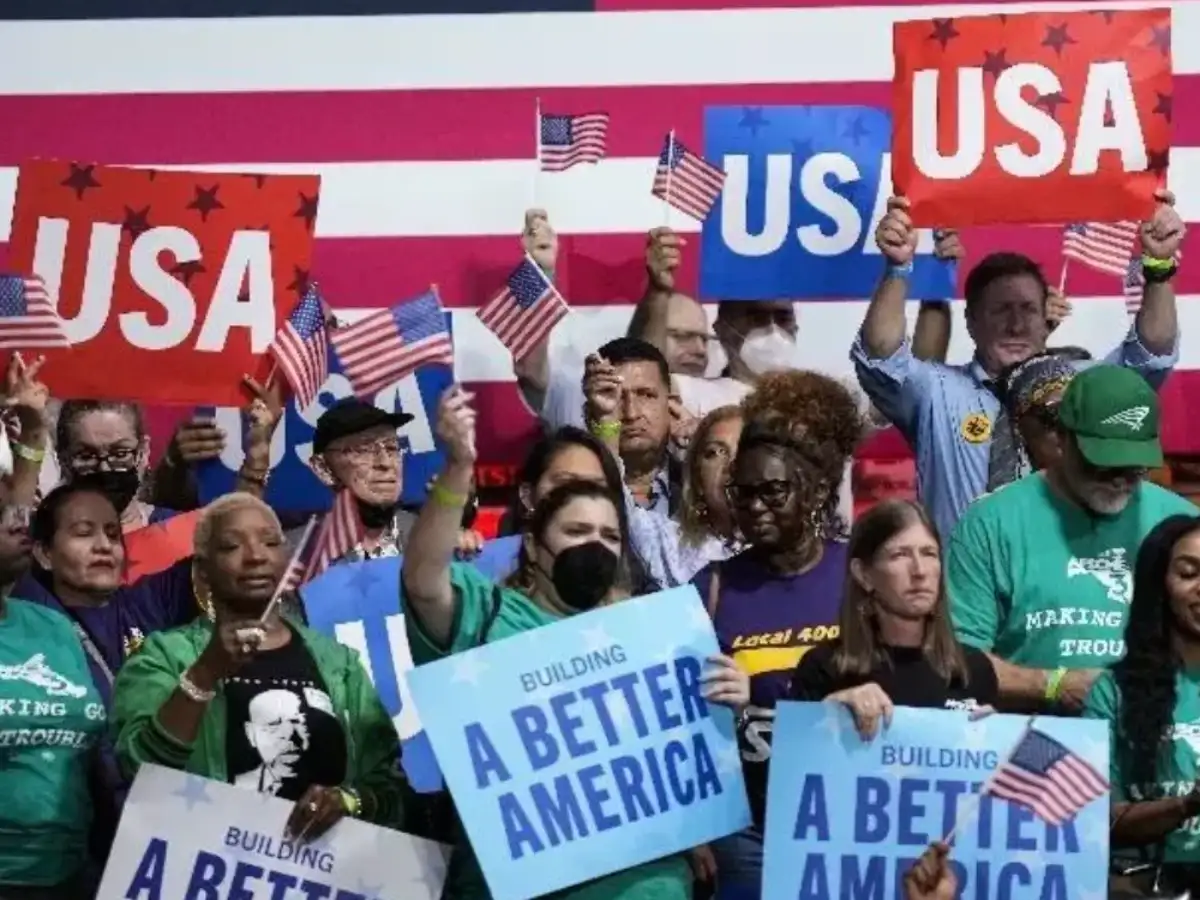
US midterm elections are held halfway through a president’s four-year term and can significantly shape the direction of the country for the remainder of that presidency. While presidential elections draw global attention, midterms determine which party controls the two chambers of Congress and, in turn, much of the legislative agenda.
The elections focus primarily on the US House of Representatives and the Senate. All 435 House seats are contested because members serve two-year terms. Senators serve six-year terms, with roughly one-third of the Senate’s 100 seats up for election during each midterm.

Also read: US midterm elections: 9 key issues that could shape the November polls
Why do midterms matter?
Control of Congress can affect a president’s ability to advance legislation. The party that holds the majority in either the House or Senate controls the leadership of that chamber and determines who heads important congressional committees.
That makes the balance of power particularly important for President Donald Trump. Whether Republicans retain control of Congress or Democrats gain control of either chamber will affect the legislative environment Trump faces during the second half of his term.
A president whose party controls both chambers generally has a clearer path for advancing legislation, while control by the opposing party can lead to greater congressional scrutiny and negotiations over the administration’s proposals.
Also read: Republicans have a billion-dollar answer to Trump's weak midterm polling
What else is on the ballot?
Midterm elections also coincide with numerous state and local contests, although those elections can occur at other times as well. Voters may choose governors, state legislators, mayors, judges and other local officials, and may vote on ballot initiatives.
These races can matter well beyond Washington. State governments pass much of the legislation affecting residents directly, covering areas that can include public policy and local governance.
For voters, therefore, the midterms are not simply a referendum on the president. They determine who will occupy Congress, which party will control its chambers and, at the state and local level, who will make decisions that directly affect communities.
The 2026 midterms will take place nearly two years after Trump began his current presidential term, putting control of Congress and the legislative agenda at the centre of the election.