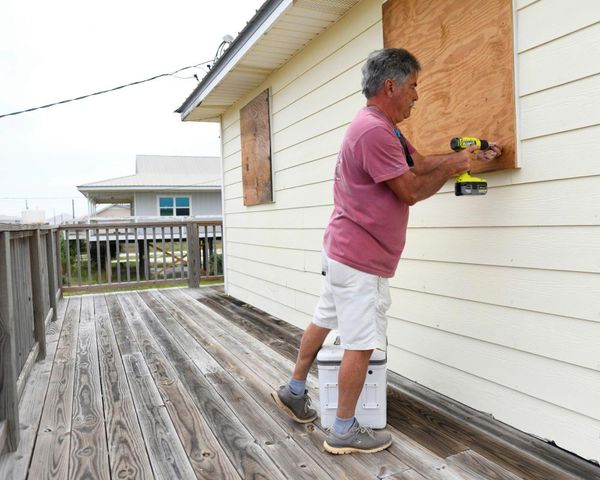
When long-running speaker of the US House of Representatives Tip O'Neill popularised the maxim "all politics is local" in the 1980s, he wouldn't have known how loudly his words would resonate four decades later.
Back then the internet as we know it did not exist, there was no social media and artificial intelligence was no more than a frightening theme in science fiction, not the pressing reality governments and society must confront today.
Now, O'Neill's words echo louder than ever because, unchallenged, these technologies threaten to gut the local out of politics as social media and search platforms use the work of journalists to enrich their owners while impoverishing the traditional sources of news.
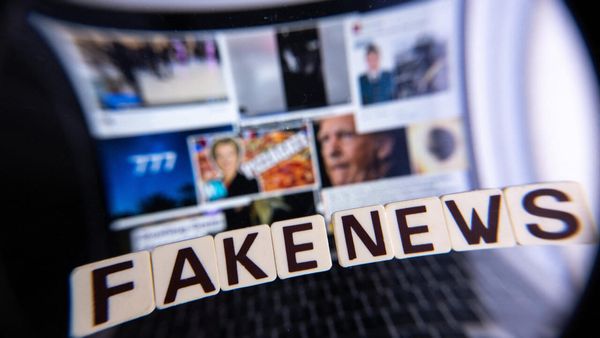
That news is vital for democracy. Whether they're reporters who sit through hours of council meetings or investigative journalists who uncover malfeasance at a state or federal level, their work, to purloin a phrase from the late Don Chipp, keeps the bastards honest. So it's worth defending tooth and nail.
The government says it's doing just that with its changes to its News Bargaining Incentive but Australian media outlets fear the tweaks to the way the digital platforms are taxed will do more harm than good and that could mean there is eventually less money to compensate them for the content being sucked up by the tech giants and further job losses will be inevitable.
Just like the timid approach to reining in the online betting industry, the government appears to be playing to both sides, the global tech platforms like Meta, Google and TikTok and the employers of the journalists whose news coverage it claims to be defending.
There's something grotesque about our national storytelling being treated with such disdain.
Which inevitably raises the question: is the Albanese government actually capable of holding the line to protect Australian authors, artists, musicians and journalists from the voracious appetite of the global AI companies?
Those artificial intelligence platforms - which have been specifically carved out of the News Bargaining Incentive by the government - are seeking to mine Australian content to train their large language models, including ChatGPT, Gemini and Claude.
Across the creative industries and the providers of public interest journalism, the position is clear: there is to be no use of copyright work without permission and payment.
News Corporation chief executive Robert Thomson hasn't minced words in recent days, calling the AI models Brave and Perplexity "pirates" and "kleptomaniacs".
He warns that the global media giant's litigation against content theft is far from over. "Without our journalists, our authors, our data, our brands, and our professional expertise, users would be drowning in a slimy sea of AI slop, a cauldron of content crap," he said.
If the government succumbs to big tech's intense lobbying, that slimy sea threatens to inundate our very culture, expressed through our music, art and literature.
The AI giants are accused of the large-scale theft of Australia's creative property three years ago by having their large language models mine the internet for our books and music without permission.
Books had their pages ripped out and spines removed so they could be scanned and fed into the AI machine. There's something grotesque about our national storytelling being treated with such disdain and disrespect.
The government can't afford to get this wrong. More importantly, nor can we, not if we value our democracy and the cultural expressions of our Australian identity.